


Learn how roasting transforms green coffee into the coffee we brew every day. Explore roasting fundamentals, roast levels, equipment, profiling, and more.
Phase
Bean State
What Happens
Drying:
Yellow-green, grassy.
Moisture evaporates. Little flavor development. Takes up roughly the first 35–50% of total roast time.
Browning:
Yellow → light brown.
Maillard reactions begin. Caramel aromas develop. Builds the foundation for sweetness and body.
Development:
First crack → end.
Flavor and aroma compounds form rapidly. The roaster decides when to stop based on the target profile.
First Crack:
Audible pop.
Cell walls rupture, releasing CO₂—Mark’s entry into the light roast range and the start of development.
Second Crack:
Quieter cracking.
Oils migrate to the surface. Mark’s dark roast territory. The bean becomes oily with a dominant roast character.
This guide covers the basics of coffee roasting, including roast development, heat transfer, and key terminology. It’s a great starting point for understanding how roasting affects flavor in the cup.
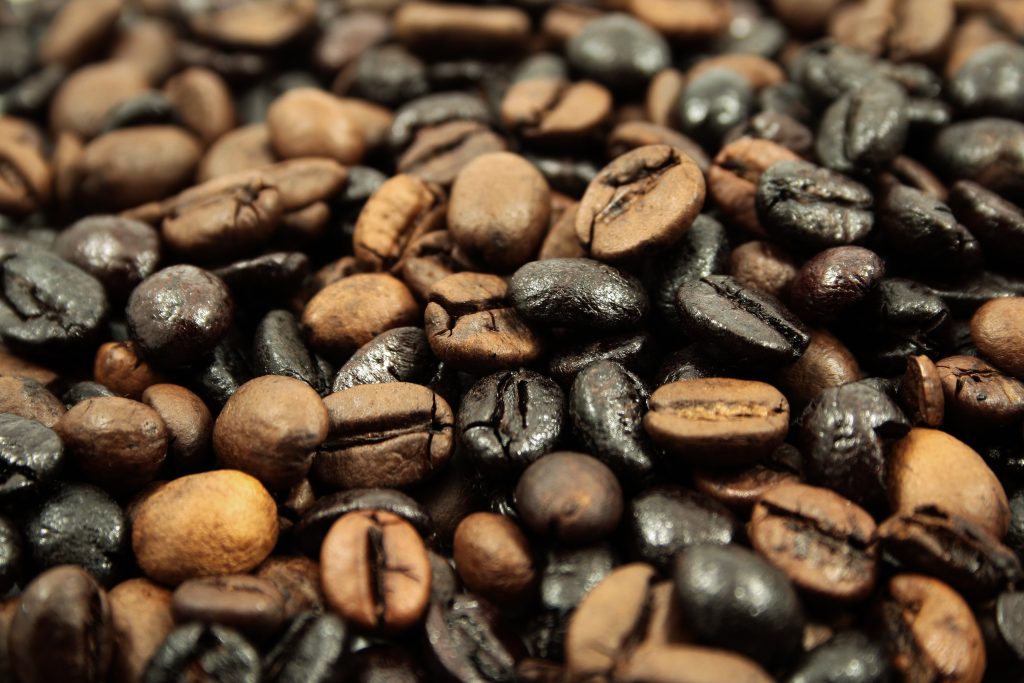
This guide explains the differences between light, medium, medium-dark, and dark roasts, and how each affects flavor, body, acidity, and bitterness. It helps coffee drinkers choose the right roast and provides a clear framework for understanding roast levels.
This guide explores popular home coffee roasting methods, from pan roasting and popcorn machines to dedicated home roasters. It covers the basics of heat control, roast development, and achieving consistent results on a small scale.
This guide covers the fundamentals of commercial coffee roasting, including batch consistency, quality control, blending, and production workflows. It explains how roasters maintain repeatable results at scale and manage changing coffee crops.
This guide explains how to select green coffee, including grading, quality factors like origin and processing, and sourcing options for home or small-scale roasters. It emphasizes that raw coffee quality is essential to achieving good results in roasting.
This guide explains common coffee roast defects, such as underdevelopment, scorching, tipping, and baking, including their causes and flavor impacts. It helps roasters identify and correct issues to improve consistency and quality.
This guide explains roast profiling, including roast curves, rate of rise, and key control points that shape flavor. It shows how adjusting heat and airflow affects results and helps roasters achieve consistency and intentional flavor development.
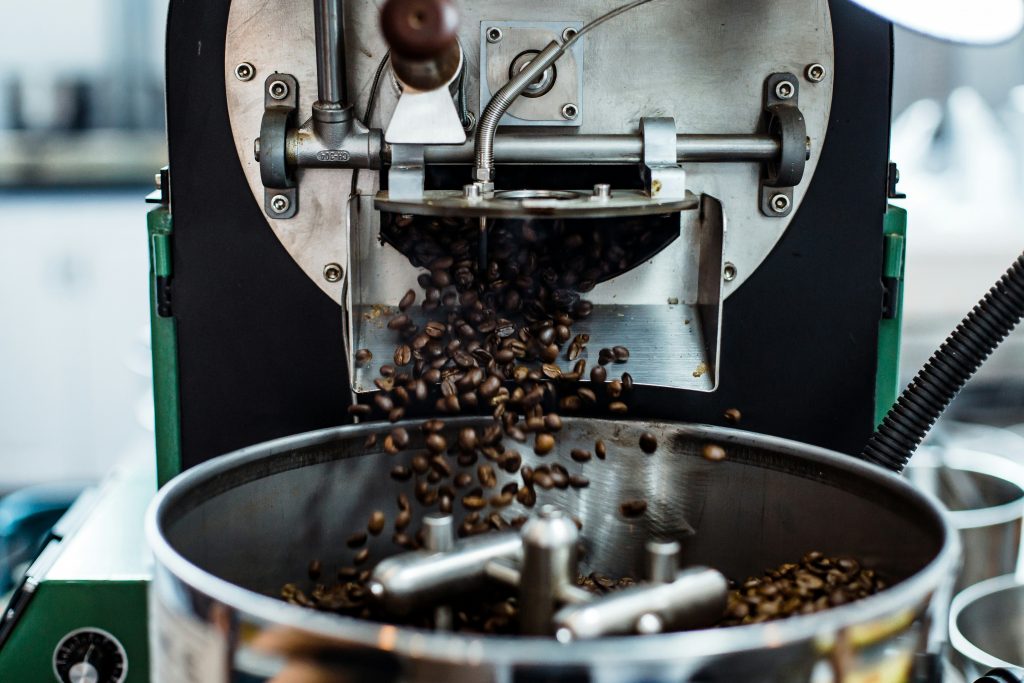
This guide covers coffee roasting equipment, from home methods to commercial machines, and explains how different roasters transfer heat. It helps readers understand the strengths and limitations of each type and choose the right setup for their needs.
Light roasts preserve origin character; acidity is higher. Dark roasts amplify bitterness and roast-derived flavors like chocolate and smoke. Body peaks in the medium range.
Too little → grassy, sour. Too much → flat, roasty. The window between first crack and end of roast determines sweetness and balance.
Dense, high-grown beans need more energy and careful monitoring — heat penetrates the interior more slowly. Profiles for one coffee rarely transfer directly to another.
Natural-processed coffees have higher residual sugars and develop faster. Washed coffees are denser and more uniform. Honey falls between the two.
Term
Meaning
First crack:
Audible pop when water vapor and CO₂ cause cell walls to rupture. Marks the start of the light roast range.
Second crack:
Quieter cracking at higher temps as cell structure breaks down and oils migrate to the surface. Entry into dark roasts.
Development time:
Time between first crack and end of roast. Often expressed as a percentage of total roast time.
Charge temperature:
Drum temperature at the moment green coffee is loaded. Affects how quickly beans begin absorbing heat.
Roast curve:
Visual graph of bean temperature over time. Used to track, design, and replicate roast profiles.
Rate of rise (RoR):
How fast bean temperature is rising at any given moment, measured in degrees per minute.
End temperature:
Temperature at which the roast is stopped. Along with development time, the primary marker for roast level.
Batch size:
Weight of green coffee per roast. Larger batches absorb heat more slowly and may need adjustments to charge temp and energy input.
Understand what happens during a roast, the key stages, and the vocabulary used throughout the literature.
Learn how light, medium, and dark roasts differ physically and in the cup. The framework for every subsequent decision.
No amount of roasting skill compensates for poor-quality raw material. Understand quality and sourcing first.
Practical methods and considerations for small-scale roasting without commercial equipment.
Tools and methods for making results repeatable and intentional rather than approximate.
One of the fastest ways to improve cup quality. Identify what went wrong and how to correct it.
Evaluate equipment options in context, with a solid technical foundation already in place.
Consistency, quality control, and the operational demands of roasting at production scale.