
Coffee Business & Professional Resources
The coffee industry offers a wide range of career opportunities, each contributing to different stages of the journey from farm to cup. Understanding these roles builds a clearer picture of how coffee businesses operate and the skills needed to succeed in the industry.
Coffee Business & Professional Resources
The coffee industry spans a long chain of activities – from growing and harvesting coffee at origin to roasting, distributing, brewing, and serving it to consumers. Each stage involves different businesses, skill sets, and operational requirements. A coffee farm in Ethiopia operates very differently from a specialty roaster in London or a neighbourhood cafe in São Paulo, yet they are all part of the same connected supply chain.
Coffee businesses vary significantly in size and structure. Some focus on production and wholesale; others operate retail spaces serving the public directly. Some combine multiple functions – roasting and retail, for example – while others specialise in a single part of the process. Understanding how these different business types work, how they connect, and what operational knowledge is required at each level is useful for anyone working in coffee, studying the industry, or planning to start a coffee-related business.
This hub page introduces the core areas of the coffee business and professional knowledge covered in the Cafe do Paraiso Coffee Education Library and directs readers to supporting resources for each topic.
Understanding the Coffee Industry
Coffee Production
Coffee production begins on farms in tropical regions, where growers manage cultivation, harvesting, and processing. These early decisions determine the quality and flavor potential of coffee before it reaches a roaster.
Importing and Exporting
Green coffee is traded internationally through exporters, importers, and logistics networks before reaching roasters. These businesses manage sourcing, shipping, documentation, and traceability across global coffee markets.
Roasting Businesses
Coffee roasters purchase green coffee and roast it into the finished product used for brewing. Their work includes sourcing, roast development, quality control, and supplying customers through various sales channels.
Coffee Shops
Coffee shops prepare and serve roasted coffee directly to customers in cafes and other retail settings. This includes drink preparation, equipment maintenance, inventory management, and customer service.
Wholesale Coffee
Wholesale coffee businesses supply roasted coffee to cafes, restaurants, hotels, offices, and other organizations. These partnerships often include recurring orders, pricing agreements, training, and equipment support.
Retail Coffee
Retail coffee businesses sell packaged roasted coffee directly to consumers through stores or online. Many roasters use retail sales to expand their reach beyond cafes and wholesale customers.
Major Coffee Business Categories
Business Type
General Description
Coffee Farms
Grow, harvest, and process coffee at origin; the starting point of the supply chain
Coffee Exporters
Prepare and ship green coffee from producing countries to international buyers
Coffee Roasters
Purchase green coffee and roast it for wholesale, retail, or direct-to-consumer sales
Coffee Shops
Prepare and sell coffee drinks and food directly to the public
Wholesale Coffee Businesses
Supply roasted coffee and sometimes equipment or training to other businesses
Online Coffee Businesses
Sell packaged coffee or coffee products directly to consumers through digital channels
Mobile Coffee Businesses
Operate from vehicles or temporary setups at events, markets, or locations without fixed premises
Coffee Business Topics
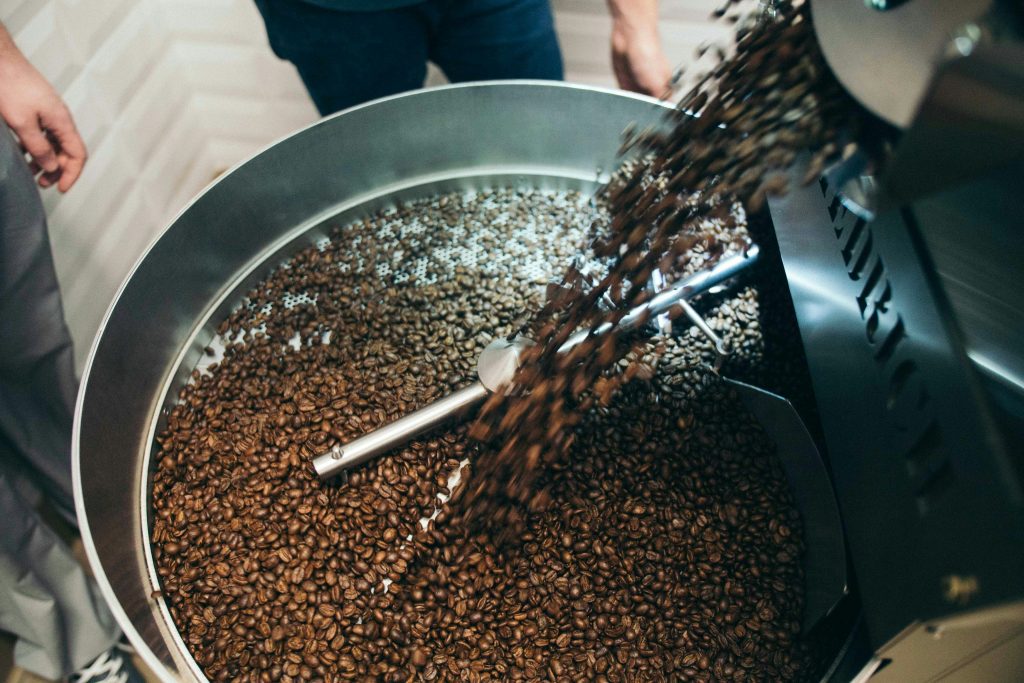
Starting a Coffee Roastery
A coffee roastery is a business that purchases green coffee, roasts it, and sells the finished product to consumers or other businesses. Roasteries sit between coffee producers and consumers in the supply chain, transforming raw agricultural products into roasted coffee ready for brewing, retail sale, and consumption.
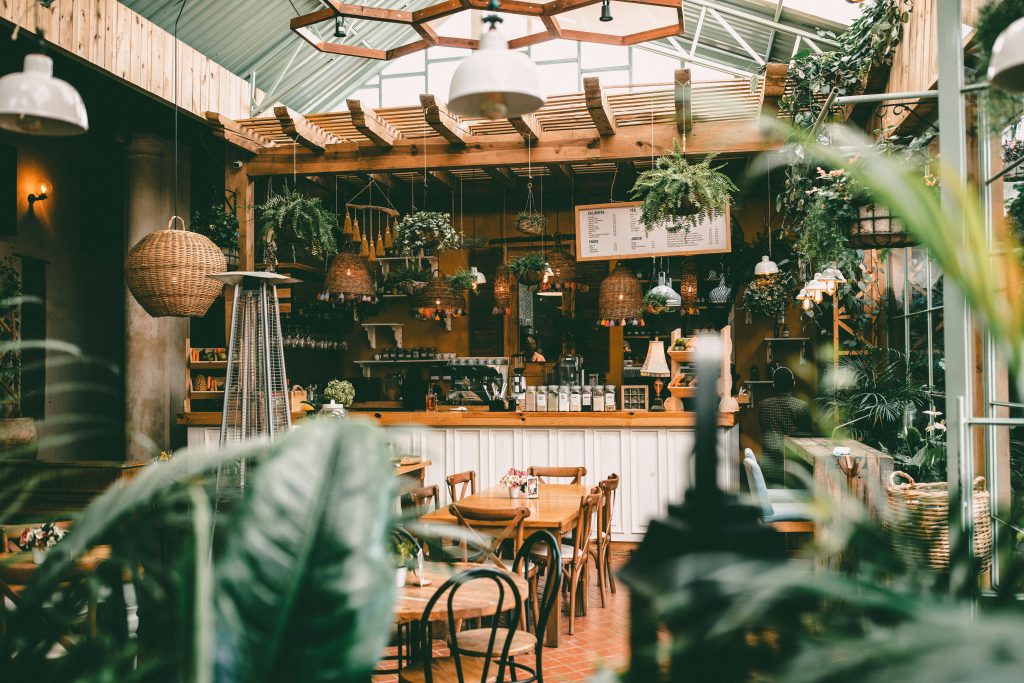
Starting a Coffee Shop
A coffee shop is a retail business that prepares and sells coffee drinks, food, tea, and other beverages to customers. Coffee shops sit at the consumer end of the supply chain, where roasted coffee is brewed, served, and experienced through hospitality, daily service, and social interaction.
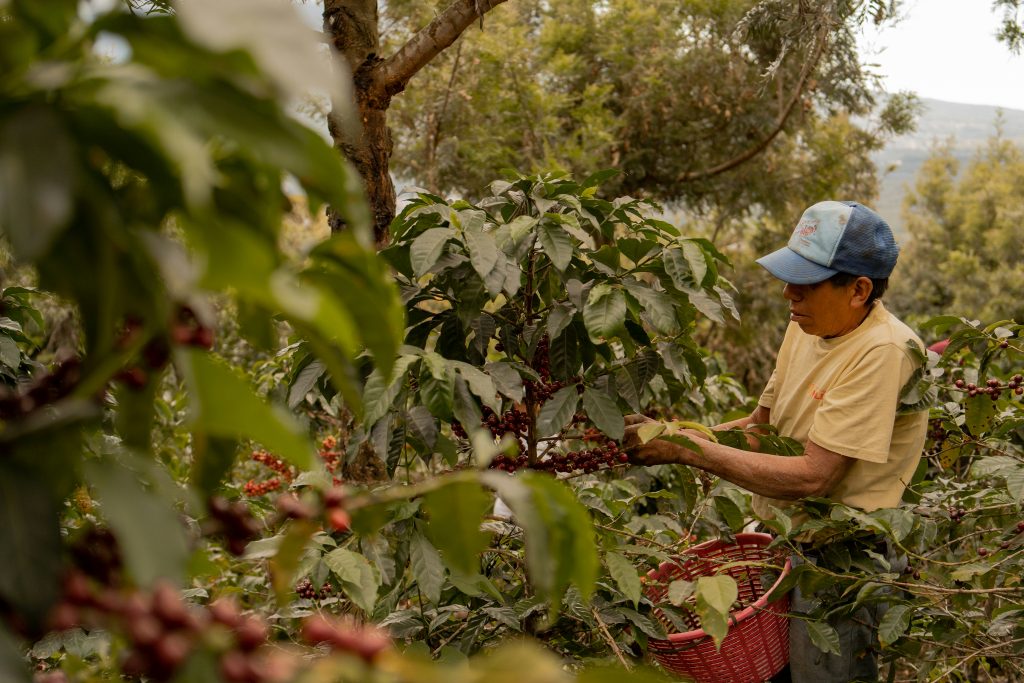
Coffee Sourcing
Coffee sourcing is the process of acquiring green coffee from producers and importers before it reaches a roastery for roasting. Sourcing is an important business decision because coffee quality, availability, flavor, and cost directly influence roasting results and the final experience delivered to customers.
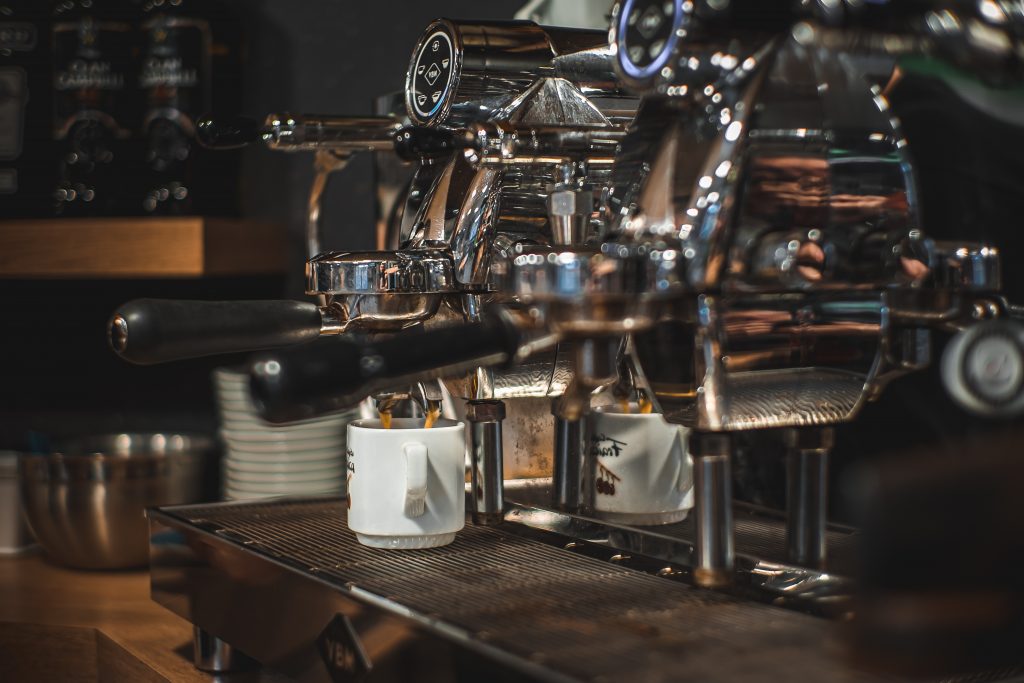
Wholesale Coffee
Wholesale coffee refers to roasted coffee sold in bulk to businesses instead of directly to individual consumers and households. Wholesale customers often include cafes, restaurants, offices, and grocery stores that purchase coffee for resale, beverage service, or internal use within their regular business operations.
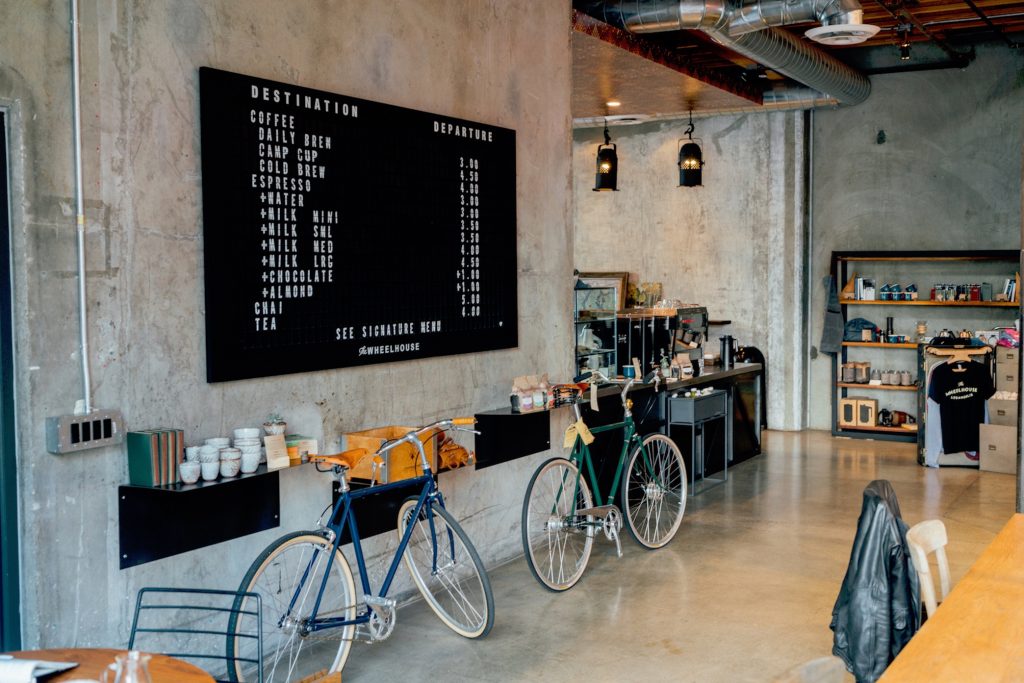
Coffee Branding
Coffee branding is the collection of impressions a business creates through its name, packaging, visual design, and customer experience. Branding helps communicate a company’s identity while allowing customers to recognize the business, form expectations, and develop trust and loyalty toward its products.

Coffee Operations
Coffee operations are the daily activities that keep a coffee business functioning, including drink preparation, inventory management, and customer service. Operations include the systems, routines, and quality controls that support consistent products, efficient workflows, employee coordination, and long-term business success and growth.
Coffee Business Models
Independent Coffee Shops
Independent coffee shops are privately owned, typically operating one or a small number of locations. They have full control over their menu, sourcing, and identity. Independents can move quickly and build strong community relationships, but carry all operational costs and risks without the support structure of a chain or franchise.
Cafe Chains
Cafe chains operate multiple locations under a shared brand, menu, and operational system. Chains benefit from centralised purchasing, shared marketing, and established processes, but have less flexibility at the individual location level. Franchise models allow operators to run a location under an established brand in exchange for fees and compliance with brand standards.
Coffee Roasting Businesses
Coffee roasting businesses purchase green coffee and roast it for sale through wholesale, retail, or direct channels. Some roasters operate attached cafes; others focus entirely on production and distribution. Roasting businesses require significant equipment investment and technical expertise, along with sourcing relationships and reliable distribution.
Mobile Coffee Businesses
Mobile coffee businesses operate from vehicles – converted vans, trailers, or pushcarts – allowing them to serve at markets, events, and locations without fixed premises. Lower startup costs and flexibility are advantages. Inconsistent location, limited storage, and weather dependency are common challenges.
Online Coffee Businesses
Online coffee businesses sell packaged coffee directly to consumers through websites and subscription models. They may roast their own coffee or act as retailers for other roasters. Direct-to-consumer online sales have lower overhead than physical retail but require effective logistics, packaging, and digital marketing.
Wholesale Businesses
Wholesale coffee businesses supply roasted coffee to other businesses – cafes, restaurants, offices, and hotels. Wholesale involves regular, high-volume orders and often includes supporting services such as equipment supply, training, and technical support. Revenue predictability and scale are advantages; relationship management and competitive pricing are requirements.
Coffee Shop Operations
Daily Workflow
A functioning cafe operates on a predictable daily rhythm – opening preparation, service periods, restocking, and closing tasks each have their own requirements. Establishing clear routines for each phase of the day reduces errors and helps staff work efficiently without constant direction.
Customer Service
Customer service in a coffee shop context includes accuracy, speed, communication, and handling complaints or requests professionally. Consistent customer experience is a product of staff training and operational standards, not only individual effort.
Drink Preparation
Drink preparation quality depends on grinder calibration, espresso machine settings, brewing parameters, and staff technique. Consistency requires clear preparation standards and regular calibration checks rather than relying on individual staff judgement alone.
Staff Roles
Coffee shops typically include baristas, a head barista or shift leader, and a manager. Larger operations may have dedicated roles for training, inventory, and customer relations. Clear role definitions help staff understand their responsibilities and allow managers to delegate effectively.
Inventory Management
Inventory management covers tracking stock of coffee, milk, syrups, cups, and other consumables, and ordering supplies before they run out. Poor inventory management leads to stockouts, waste, and inconsistency. Regular stock counts and reorder systems reduce these problems.
Cleaning and Maintenance
Regular cleaning of equipment – espresso machines, grinders, steam wands, brewing equipment – is both a hygiene requirement and a quality factor. Equipment that is not maintained correctly produces worse coffee and fails more often. Cleaning schedules and basic maintenance tasks should be part of daily and weekly operations.
Coffee Quality and Consistency
Coffee Sourcing
The coffee a business sources determines the flavor ceiling of its product. Consistent sourcing – purchasing from reliable suppliers who supply consistent lots – reduces variation in the starting material. Changing coffee regularly without staff retraining creates inconsistency in the cup.
Roasting Consistency
For businesses that roast their own coffee, roast consistency directly affects the product served. Tracking roast profiles, monitoring equipment, and cupping each batch helps maintain consistent roast quality across production runs.
Brewing Standards
Brewing standards define the parameters used for each drink – dose, yield, water temperature, brew time, and grind size. Documenting these standards and training staff to follow them consistently is the foundation of quality control in a cafe setting.
Staff Training
Training is the primary mechanism for translating quality standards into practice. Initial training covers technique; ongoing training addresses consistency, new menu items, and calibration. Staff who are trained regularly and evaluated honestly produce more consistent results.
Customer Experience
Quality control ultimately serves the customer experience. Consistent drinks, accurate orders, efficient service, and a clean environment together define what a customer experiences. Quality monitoring – through internal cupping, customer feedback, and regular management observation – identifies gaps between standards and execution.
Coffee Business Skills
Technical Skills
Technical skills in coffee include espresso preparation, grinder operation and calibration, milk texturing, manual brewing, equipment maintenance, and coffee roasting. These are learned through training and practice, and from the core of barista and roaster roles.
Communication Skills
Clear communication between staff, between management and staff, and between the business and its suppliers affects daily operations. Briefing staff effectively, handling customer requests accurately, and maintaining supplier relationships all require consistent communication.
Management Skills
Management in a cafe context includes scheduling, training, performance monitoring, inventory management, and problem resolution. Managers who understand both the operational and people aspects of a business are better equipped to maintain consistent service.
Financial Skills
Basic financial knowledge helps cafe owners and managers make informed decisions about pricing, staffing, and purchasing by understanding costs, margins, and profit. It also supports better planning and contributes to the long-term success of the cafe. These skills are valuable at every level.
Problem Solving
Equipment failures, supply shortages, staff absences, and service rushes all require quick, practical problem-solving. The ability to assess a situation, identify a workable response, and act without disrupting service is a skill developed through experience and preparation.
Teamwork
A cafe during service depends on coordinated teamwork. Clear communication, awareness of colleagues’ workloads, and mutual support during busy periods all affect service quality. Teamwork is a skill that can be developed through clear role definition and consistent team management.
Coffee Industry Career Paths
Barista
A barista prepares coffee drinks, operates equipment, and provides customer service in a cafe. It is the most common entry-level role in the coffee industry.
Head Barista
A head barista leads the barista team, maintains drink quality, and provides training. The role combines coffee preparation with other leadership responsibilities.
Cafe Manager
A cafe manager oversees daily operations, staff, inventory, and financial performance. They combine operational management with customer service leadership.
Coffee Roaster
A coffee roaster develops roast profiles, operates roasting equipment, and maintains quality. The role requires technical skill and consistent quality control.
Green Coffee Buyer
A green coffee buyer sources unroasted coffee, evaluates quality, and manages supplier relationships. The role requires market knowledge and strong sensory skills.
Coffee Trainer
A coffee trainer teaches barista skills, coffee knowledge, and best practices in the coffee industry. The role combines technical expertise with effective communication.
Quality Control Specialist
A quality control specialist monitors coffee quality through testing and consistency checks. The role helps maintain high standards throughout the coffee industry’s production.
Coffee Entrepreneur
A coffee entrepreneur starts and manages coffee businesses such as cafes or roasteries. The role combines industry knowledge and coffee expertise with business management skills.
Learning Path for Coffee Professionals
1
Coffee Shop Basics
Understand the fundamental structure of a cafe business before getting into specifics.
2
Barista Skills Guide
Build technical and service skills that underpin all cafe roles.
3
Coffee Shop Equipment
Learn the equipment used in commercial settings and how it affects workflow and quality.
4
Coffee Menu Planning
Understand how menus are built and how drink selection affects operations.
5
Coffee Shop Workflow
See how tasks are organised and how efficiency affects service quality.
6
Coffee Pricing Basics
Learn how costs are calculated and how pricing decisions are made.
7
Coffee Quality Control
Understand how consistency is monitored and maintained across a business.
8
Coffee Sourcing for Businesses
Learn how coffee is selected and purchased at a business level.
Frequently Asked Questions
The coffee industry includes farms, exporters, importers, roasters, coffee shops, wholesale businesses, mobile operations, and online retailers. Each operates at a different point in the supply chain and has different operational requirements. Some businesses combine multiple functions – for example, a roaster that also operates a cafe and sells directly to consumers online.
Working in coffee requires a combination of technical and interpersonal skills. Technical skills include espresso preparation, grinder calibration, milk texturing, and brewing knowledge. Communication, teamwork, time management, and customer service are equally important in any customer-facing role. Management and financial skills become relevant as responsibilities increase.
Consistency in a coffee shop depends on documented brewing standards, regular calibration of grinders and espresso machines, staff training, and quality monitoring. No individual variable produces consistency on its own – it is the result of systems applied consistently across every service period.
A coffee roaster purchases green coffee, operates roasting equipment to transform it into roasted coffee, and monitors quality through cupping and data tracking. Roasters develop roast profiles for different coffees, manage batch consistency, and work with buyers or cafe clients to supply coffee that meets their requirements.
Professional roles in coffee include barista, head barista, cafe manager, coffee roaster, green coffee buyer, coffee trainer, quality control specialist, and entrepreneur. There are also roles in equipment sales and service, supply chain management, marketing, and education. Many coffee professionals move between roles as they build experience across different parts of the industry.