
Coffee Equipment Guide
An introduction to the tools used in coffee grinding, brewing, espresso preparation, measuring, roasting, and equipment care.
Why Coffee Equipment Matters
Coffee equipment plays a critical role in brewing consistency and quality. Precise tools help control key variables such as grind size, water temperature, brew time, and coffee-to-water ratio, making it easier to achieve repeatable results and troubleshoot brewing issues. Beyond accuracy, equipment should fit your workflow and brewing habits, while proper maintenance ensures long-term performance. Understanding the main categories of coffee equipment—from grinders and brewers to scales, roasters, and cleaning tools—helps you choose the right setup for your brewing goals.
Coffee Equipment Topics
Each section below introduces a major equipment topic. Follow the link at the end of each section for a full supporting guide.
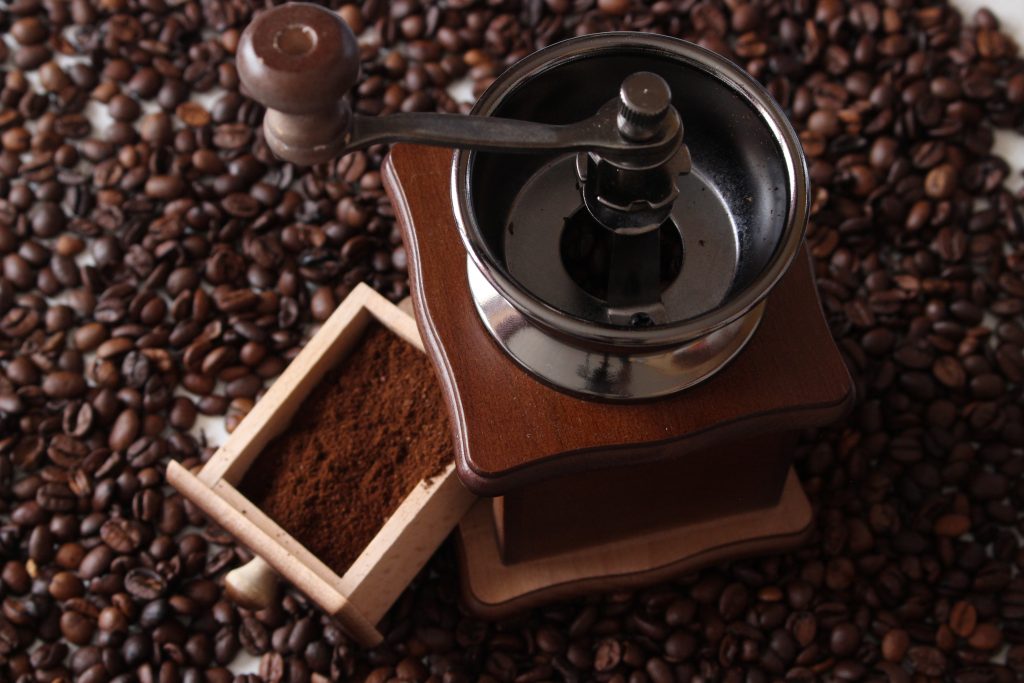
Coffee Grinders
The grinder is one of the most important tools in coffee brewing. Grind size and consistency directly affect extraction and flavor, with burr grinders providing more even results than blade grinders. This guide explains grinder types, burr designs, grind adjustments, and their impact on different brewing methods.
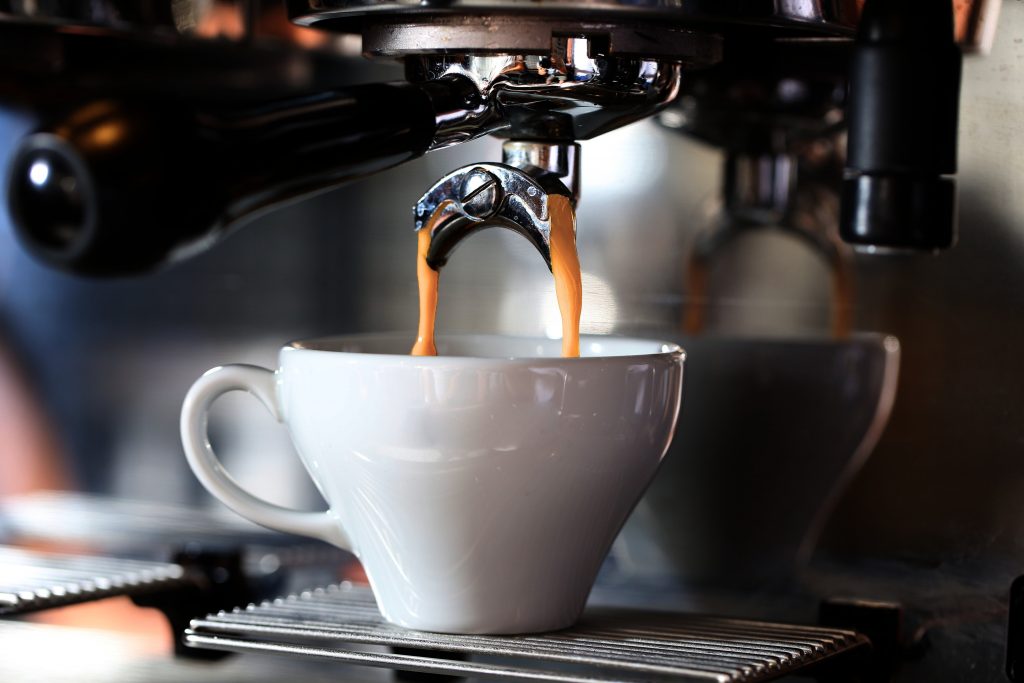
Espresso Machines
Espresso brewing uses pressure to force hot water through finely ground coffee, producing a concentrated coffee in a short time. This guide covers how espresso machines work, key brewing variables such as pressure and temperature, different machine types, and what to consider when choosing espresso equipment.
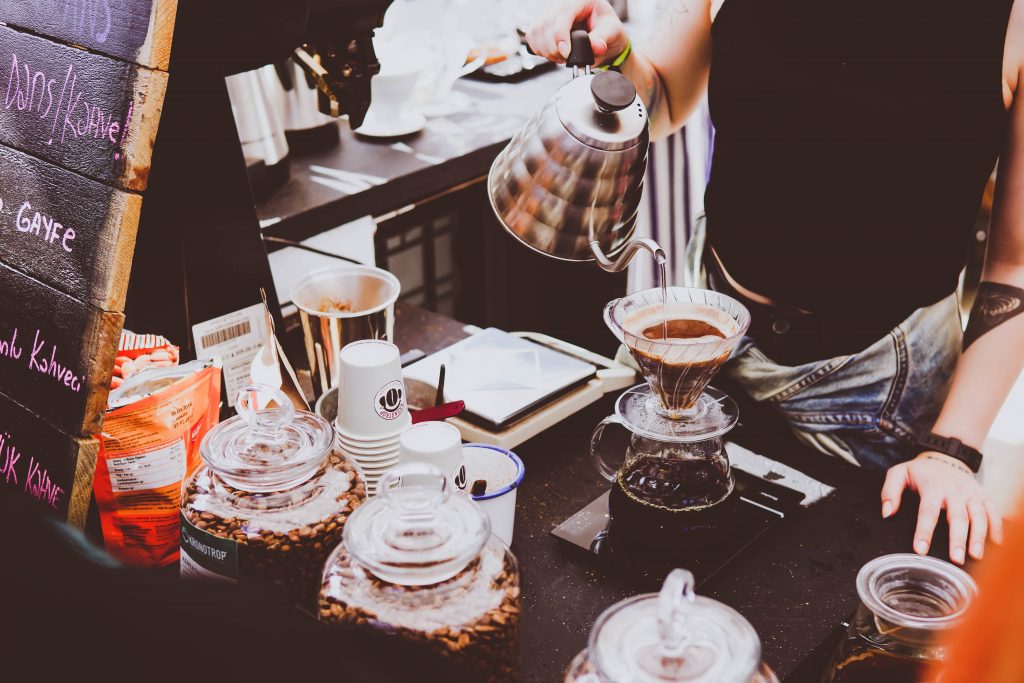
Pour Over Equipment
Pour-over brewing involves controlled water flow through coffee using a dripper, filter, kettle, and scale. Variables like pour rate, temperature, bloom time, and grind size affect flavor and extraction, and this guide covers the key tools and how they influence the cup.
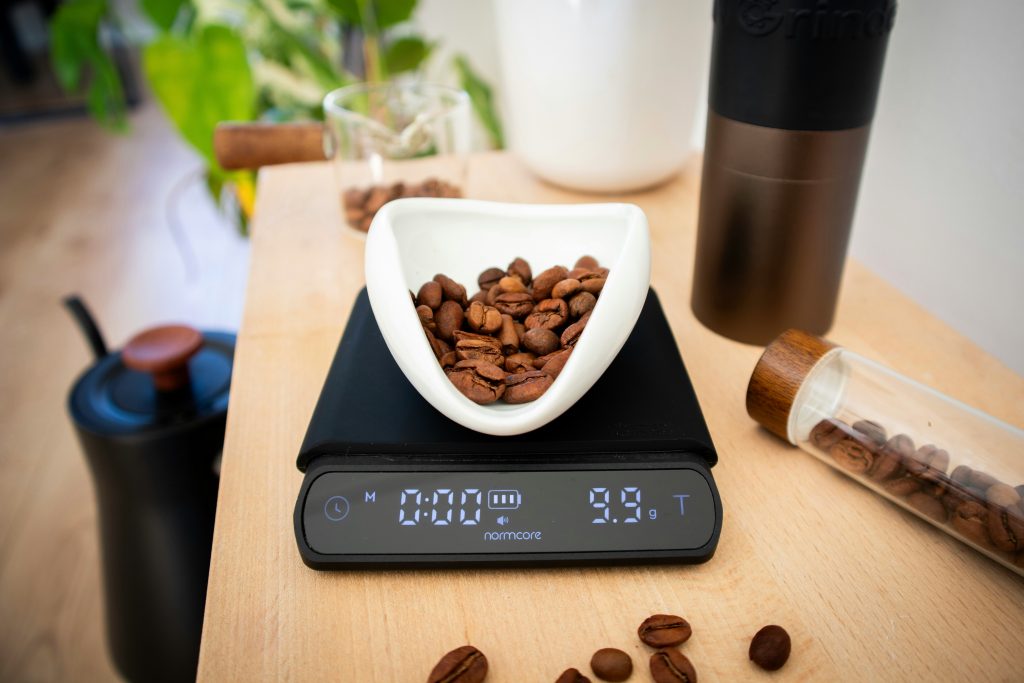
Coffee Scales
A scale improves brewing consistency by measuring coffee and water by weight rather than volume, enabling more accurate ratios and repeatable results. Coffee scales should measure to 0.1g precision and ideally include a built-in timer.
Coffee Kettles
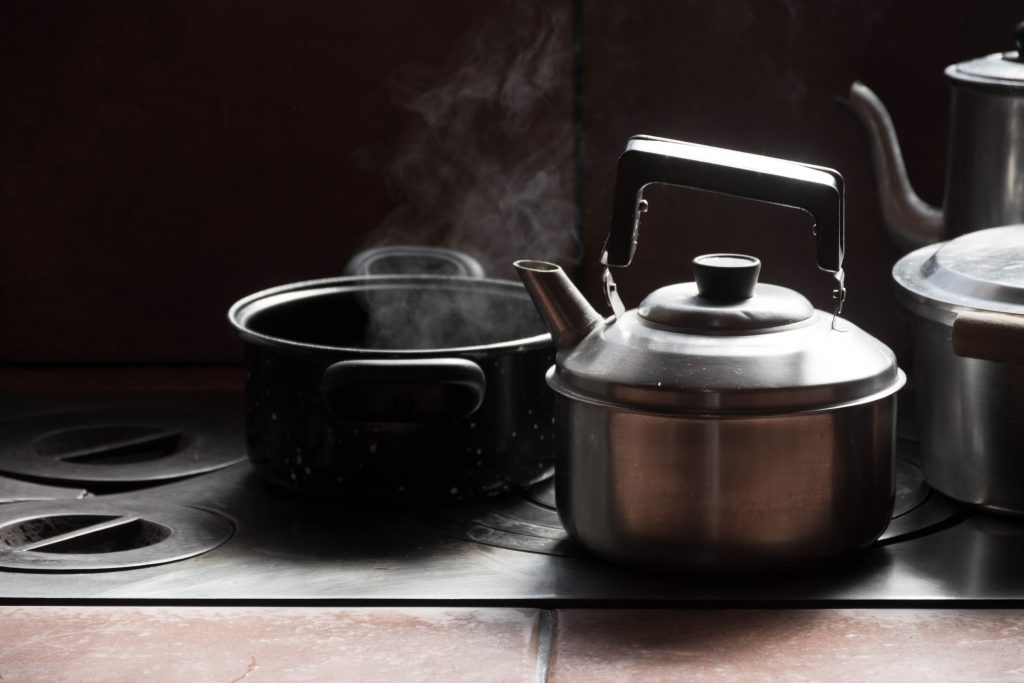
Water temperature and pour control both influence extraction in coffee brewing. Gooseneck kettles provide precise flow control, while variable temperature kettles let you set exact heat levels. The guide explains how different kettles and temperature choices affect extraction across brewing methods.
Roasting Equipment
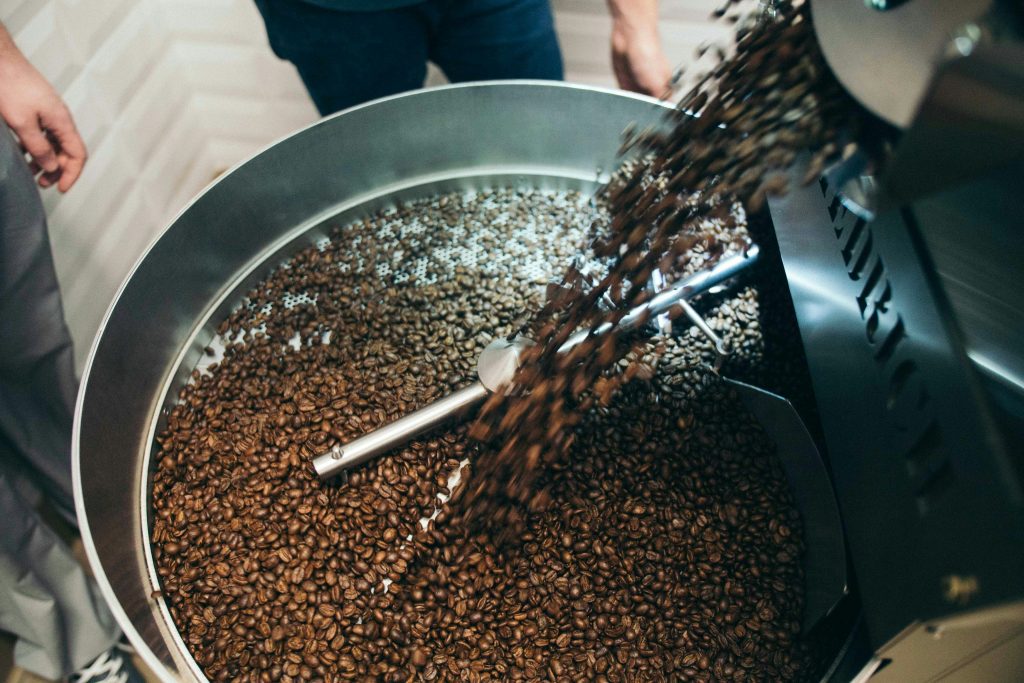
Home roasting gives you control over roast level and flavor development with equipment such as drum roasters, air roasters, or automated home roasters. It covers how heat, airflow, timing, and roast stages (like first and second crack) shape the final coffee.
Equipment Maintenance
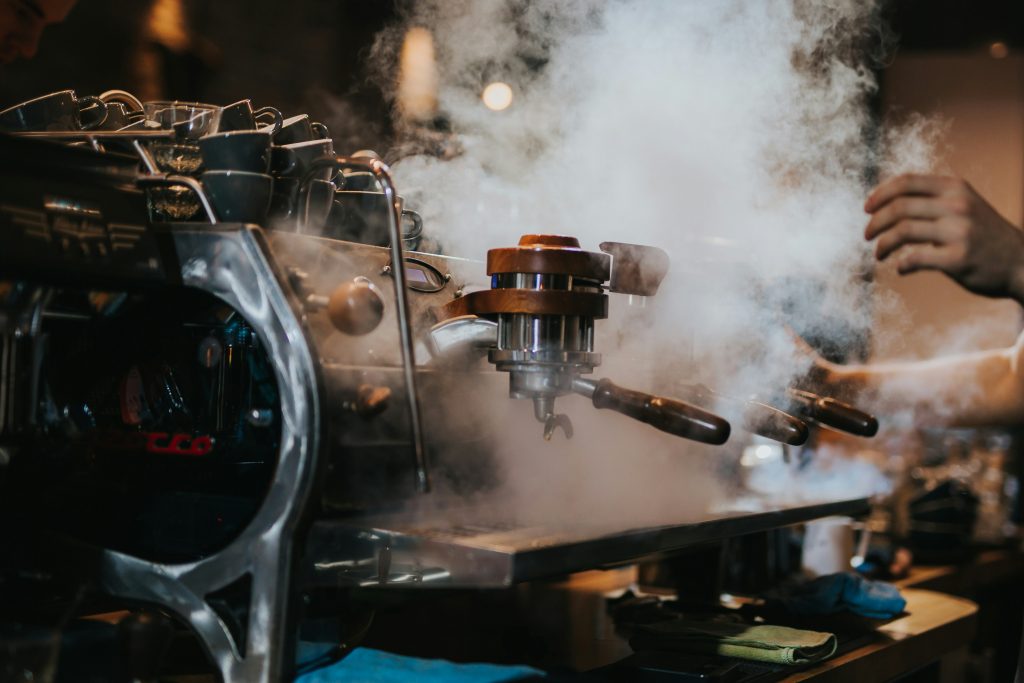
Coffee equipment accumulates oils, minerals, and residue over time, which can harm extraction quality, create off-flavours, and reduce equipment lifespan. This guide covers maintenance routines for grinders, brewers, espresso machines, and kettles, including cleaning frequency and the effects of neglect.
Learning Path for Coffee Equipment
1
Coffee Grinders
Start here because grind quality affects every other variable. Understanding burr types, grind settings, and why consistency matters gives you a foundation for everything that follows.
2
Coffee Scales
Once you are grinding correctly, measuring accurately makes your results repeatable. Learn weight-based dosing and brew ratios before adjusting other variables.
3
Coffee Kettles
Water temperature and pour control are the next variables to address. Understanding how kettles affect brewing prepares you to apply manual methods effectively.
4
Pour-Over Equipment
Pour over is one of the most instructive manual methods because every variable is visible and adjustable. Learning it well builds an understanding of extraction that transfers to other methods.
5
Espresso Machines
Espresso brewing is more demanding in terms of equipment calibration and grind precision. Approaching it after developing a foundation in manual brewing produces better results more quickly.
6
Equipment Maintenance
Maintenance should begin as soon as you own equipment, but understanding it in depth – what to clean, how, and how often – becomes more important as your setup grows.
7
Roasting equipment
Home roasting is a natural step for those who want to work with coffee from green to cup. It requires an understanding of how roasting affects coffee before equipment decisions make practical sense.
Essential Coffee Equipment for Different Brewing Methods
Brewing Method
Essential Equipment
Pour Over:
Burr grinder, dripper, paper or metal filter, gooseneck kettle, scale with timer
Espresso:
Espresso machine, dedicated espresso grinder, portafilter, tamper, scale, distribution tool
French Press:
Burr grinder, French press, kettle, scale or measuring scoop, timer
AeroPress:
Burr grinder, AeroPress with filters, kettle, scale, timer
Moka Pot:
Moka pot, medium-fine burr grinder, stove or heat source, scale
Drip Coffee:
Drip machine with basket filter, burr grinder, scale or measuring scoop
Cold Brew:
Coarse burr grinder, cold brew vessel or mason jar, filter bag or fine strainer, scale
The Most Important Coffee Tools for Beginners
Not all equipment has an equal impact on results. For someone building a home setup from scratch, five tools cover the fundamentals and address the most common sources of inconsistency.
Coffee Grinder
A burr grinder has the greatest single impact on cup quality for most home brewers. Pre-ground coffee loses aromatic compounds quickly and cannot be adjusted for different brewing methods. A grinder that produces consistent particle sizes allows you to dial in extraction and to change grind size when you switch brewing methods.
Scale
Volume measurements – tablespoons, scoops – vary depending on the grind size, bean density, and how loosely the coffee is packed. Weighing both coffee and water removes that variability. A scale is inexpensive relative to most other equipment and produces an immediate, measurable improvement in consistency.
Brewing Device
The brewing device is the method – pour over dripper, French press, AeroPress, or whichever approach suits your taste preferences and time. Each method produces different results from the same coffee. Starting with one method and learning it thoroughly produces better results than switching between several methods at once.
Kettle
For manual brewing methods, a temperature-controlled kettle removes one of the more significant variables. Water that is too hot over-extracts; water that is too cool under-extracts. A gooseneck kettle also gives you control over where and how fast water falls onto the coffee bed, which matters especially for pour-over methods.
Storage
Coffee begins losing freshness from the moment it is roasted. An airtight container – ideally one with a one-way valve – slows this process by limiting oxygen exposure. Keeping coffee in appropriate storage, at room temperature and away from light, makes a meaningful difference to how the coffee tastes through the week.
Manual vs Electric Coffee Equipment
Factor
Manual Equipment
Electric Equipment
Cost:
Generally lower entry cost for equivalent grind quality.
Higher cost at comparable quality levels; a wide range from basic to professional.
Convenience:
Requires physical effort and more active involvement.
Faster and requires less physical effort; suits higher-volume brewing.
Learning Curve:
Often more tactile and transparent; easier to understand what each step does.
Some automation reduces decisions, which can make learning slower for beginners.
Consistency:
Dependent on the operator applying consistent technique.
More consistent per session once calibrated; less dependent on physical control.
Maintenance:
Simpler construction; generally easier to disassemble and clean.
More components; some require professional servicing; descaling required for heated equipment.
Portability:
Lighter and requires no power source; suitable for travel.
Requires electricity; heavier; less suited to use away from home.
Factors to Consider Before Buying Coffee Equipment
Budget
Coffee equipment varies widely in price, but investing in the right category matters more than spending the most money. A burr grinder will outperform a blade grinder, and higher-end grinders generally provide more consistent results. For most brewers, prioritizing the grinder when allocating a budget has the greatest impact on coffee quality.
Brewing Preferences
Your brewing method determines the equipment you need. Espresso requires specialized gear, while methods like pour-over and AeroPress are simpler and more versatile. If you’re still exploring different brewing styles, starting with a manual brewer and a quality burr grinder provides a flexible foundation for future upgrades.
Coffee Volume
Your daily coffee volume and the number of people you brew for influence which equipment makes sense. Hand grinders work well for one or two cups, while electric grinders are better suited for larger batches. Likewise, espresso machines differ significantly in their capacity, workflow, and brewing speed.
Brewing Device
Available counter and storage space should be considered when choosing coffee equipment. Espresso machines, drip brewers, and dedicated grinders require permanent space, while items like pour-over drippers and hand grinders can be stored away when not in use. Measuring your available space beforehand helps avoid practical issues after purchase.
Ease of Maintenance
All coffee equipment requires regular cleaning, and some also need descaling, burr replacement, gasket maintenance, or occasional servicing. Equipment that is difficult to clean often performs less consistently over time. Understanding maintenance requirements before purchasing helps set realistic expectations and supports long-term performance.
Long-Term Use
Buying entry-level coffee equipment that you quickly outgrow can end up costing more than investing in better-quality gear from the start. Grinders are especially worth prioritizing for higher quality upfront. It’s important to consider whether equipment will still suit your needs as your skills and preferences evolve.