
Coffee Recipes
Coffee recipes provide the measurements, techniques, and brewing variables needed to prepare a wide variety of coffee drinks. From espresso and pour-over to lattes and cold brew, each recipe is designed to produce consistent flavor, balance, and quality while highlighting the unique characteristics of each brewing method.
Coffee Recipes
A coffee recipe is a set of variables that guides the preparation of a specific coffee drink. These variables include the amount of coffee used, the water temperature, the grind size, the brewing method, and any additional ingredients such as milk, cream, or flavoring syrups.
Recipes vary between brewing methods because each method extracts coffee differently. A French press recipe calls for a coarser grind and longer steep time, while an espresso recipe requires a fine grind and high-pressure extraction in under thirty seconds. Using the wrong variables for a given method typically produces a drink that is either over-extracted and bitter or under-extracted and sour.
Ingredients also play a significant role. Adding steamed milk changes the texture and sweetness of a drink. Cold water and ice affect how flavors are perceived. Sweeteners and syrups shift the balance of bitterness and acidity. Understanding how each ingredient interacts with brewed coffee helps explain why the same bean can produce very different drinks depending on how it is prepared.
Consistency is one of the main reasons recipes exist. When the same variables are applied each time, the result is predictable. This is important both for home brewers trying to repeat a drink they enjoyed and for cafes producing the same drink dozens of times a day.
Understanding Coffee Recipes
Brewing Methods
Brewing method determines recipe variables, with each technique like espresso, pour over, French press, cold brew, and AeroPress using distinct ratios and timing.
Coffee-to-Water
Coffee-to-water ratio is the key variable controlling strength and concentration, with different brew styles using varying proportions that directly determine the final cup result overall.
Grind Size
Grind size controls extraction speed by changing surface area, with fine grinds extracting faster and coarse grinds slowing brewing across different methods and recipes process.
Water Temperature
Water temperature regulates extraction, with the optimal hot-brewing range around 90–96°C; extremes cause weakness; and cold brew uses a long, low-temperature steeping process.
Milk & Ingredients
Milk and additional ingredients alter texture, sweetness, and flavor, with milk softening bitterness and syrups or spices adding sweetness and complexity to coffee drinks overall.
Major Categories of Coffee Recipes
Category
General Description
Espresso Drinks:
Short, concentrated shots prepared under pressure, served alone or as the base for other drinks
Milk-Based Drinks:
Espresso combined with steamed or frothed milk in varying proportions
Hot Coffee Drinks:
Brewed coffee served at drinking temperature, including drip, pour over, and French press preparations
Cold Coffee Drinks:
Coffee-based drinks served chilled or over ice, including iced lattes, cold brew, and blended drinks
Manual Brewing Recipes:
Recipes specific to pour over, French press, AeroPress, Moka pot, and other manual brewing devices
Specialty Drinks:
Coffee-based drinks with distinct preparation methods or cultural origins, such as Turkish coffee or Vietnamese iced coffee
Seasonal Drinks:
Recipes that incorporate seasonal flavors and ingredients, such as spiced drinks in autumn or lighter iced drinks in summer
Coffee Recipe Topics

Espresso Recipes
Espresso recipes cover the preparation of single, double, ristretto, and lungo shots using an espresso machine. Each recipe adjusts the dose to produce a different result. Learning these recipes builds consistency and introduces the core principles that form the foundation of espresso brewing.

Cold Brew Recipes
Cold brew is made by steeping coarsely ground coffee in cold or room-temperature water for 12 to 24 hours. The result is a smooth, low-acidity coffee served as a concentrate or diluted before drinking. Its simple preparation and long storage make it ideal for batch brewing.
Signature Coffee Drinks
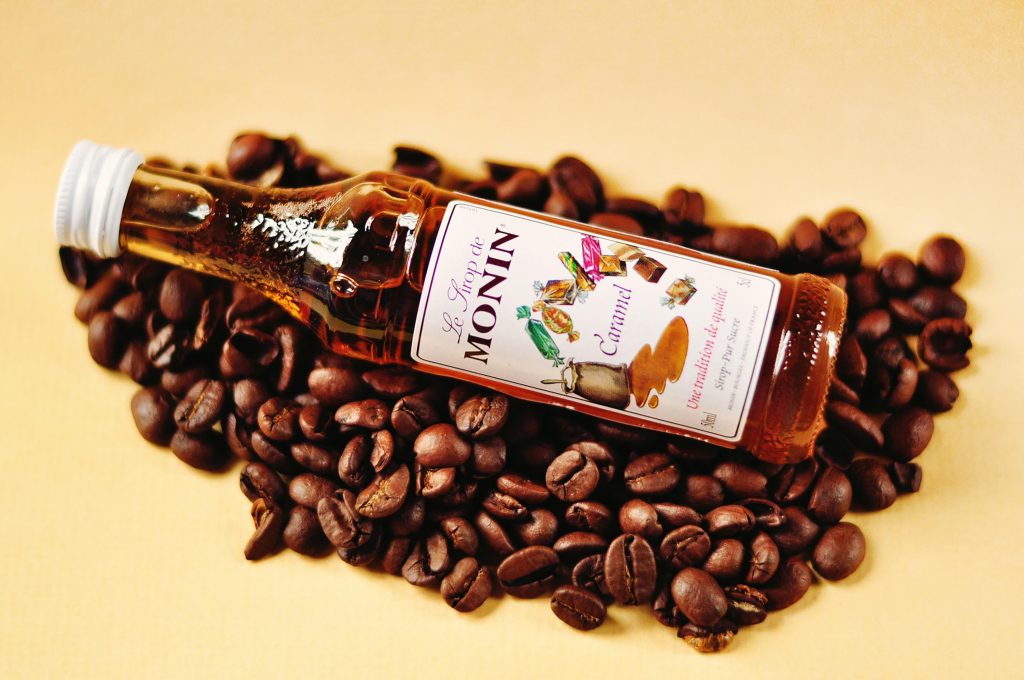
A signature coffee drink is a recipe built around a base coffee preparation – espresso, cold brew, drip coffee – combined with additional ingredients such as flavored syrups, spices, chocolate, or alternative milks to create something distinct from a standard order.

Seasonal Coffee Recipes
Seasonal coffee drinks adapt espresso or cold brew recipes with ingredients associated with different times of year. Pumpkin spice, peppermint, and other seasonal flavors create distinctive drinks. Understanding the base recipe makes it easy to recreate café-style favorites at home.

Coffee Desserts
Coffee desserts use coffee as a primary flavor to add rich, roasted notes that balance sweetness. They include a wide variety of treats, from creamy chilled desserts to baked goods and frozen creations. Understanding how coffee complements sweet ingredients makes it easier to create flavorful coffee-inspired desserts at home.
Factors That Influence Coffee Recipes
Coffee Beans
The type of coffee bean – its origin, variety, and processing method – affects how it behaves in a recipe. Beans from different regions carry different flavor profiles. A washed Ethiopian bean may bring bright floral and citrus notes. A natural-processed Brazilian bean tends toward chocolate and nuts. These flavor characteristics influence which preparation methods and ingredients complement the coffee best.
Roast Level
Roast level changes the solubility of coffee grounds and the flavor compounds present in the final cup. Lighter roasts retain more origin flavors and are often more acidic. Darker roasts develop roasty, bitter, and chocolatey notes and extract differently than light roasts. Recipes may need adjustment – particularly in grind size and extraction time – when switching between roast levels.
Grind Size
As noted in the recipe fundamentals section, grind size is a core recipe variable. Beyond its effect on extraction speed, grind consistency matters. Uneven grinds produce a mix of over- and under-extracted particles, which creates an unbalanced cup. A good grinder produces a consistent particle size, making recipes more predictable and repeatable.
Water Quality
Water that contains too many minerals can result in over-extraction and harsh flavors. Water with too few minerals may produce a flat or under-extracted cup. Filtered water is generally recommended for brewing coffee. Water that is too hard or too soft can work against the recipe regardless of how well the other variables are dialed in.
Brewing Equipment
The specific device used affects the outcome even when following the same recipe. Different espresso machines produce varying levels of pressure. Different kettles heat water at different rates. Manual brewers from different manufacturers can produce noticeably different cups even with identical recipes. Equipment condition and cleanliness also affect results.
Milk Type
Whole milk steams to a creamier, more stable foam than lower-fat options. Plant-based milks vary widely – oat milk froths well and has a neutral flavor, while almond milk can be thinner and more prone to separating. The milk type affects both texture and flavor in milk-based drinks and may require small recipe adjustments to achieve the intended result.
Sweeteners and Flavorings
Granulated sugar dissolves more slowly in cold drinks than in hot ones. Simple syrups dissolve uniformly in both. Different sweeteners – honey, agave, brown sugar – each add their own flavor alongside sweetness. Flavoring syrups add concentrated taste in small volumes. Understanding how these ingredients behave helps with proportioning them correctly in a recipe.
Hot Coffee vs Cold Coffee Recipes
Feature
Hot Coffee Drinks
Cold Coffee Drinks
Brewing Method:
Typically brewed with hot water (90-96°C).
Brewed hot or cold depending on the style.
Serving Temperature:
Served at drinking temperature (55-70°C).
Served over ice or chilled (below 10°C).
Flavor Perception:
Aromatic compounds are more pronounced; bitterness and acidity are more apparent.
Sweetness is perceived as more prominent; lower acidity is often noted.
Preparation Time:
Generally faster, from two to ten minutes depending on the method.
Cold brew requires twelve to twenty-four hours; iced coffee is quick.
Common Ingredients:
Milk, sugar, cream, and spices.
Ice, cold water, cream, syrups, tonic water.
Typical Uses:
Morning drinks, slow preparation settings, café service.
Warm weather, on-the-go drinks, batch preparation.
Understanding Coffee Ratios
Coffee-to-Water Ratio
Espresso Ratios
Milk Ratios
Concentrates
Coffee-to-Water Ratio
The coffee-to-water ratio is typically expressed in grams. A common ratio for drip or pour over coffee is 1:15 to 1:17, meaning one gram of coffee for every fifteen to seventeen grams of water. Brewing at 1:15 produces a stronger cup; brewing at 1:17 produces a lighter cup. Ratios are more reliable than measuring by volume (scoops or tablespoons) because coffee density varies between roasts and grind sizes.
Espresso Ratios
Espresso ratios are expressed as a relationship between the dry dose (the coffee in the portafilter) and the liquid yield (the extracted shot). A standard espresso ratio is 1:2, meaning a 18-gram dose produces a 36-gram shot. A ristretto uses a ratio closer to 1:1.5. A lungo uses a ratio of 1:3 or more. These ratios affect the concentration and flavor balance of the espresso.
Milk Ratios
In milk-based drinks, the ratio of espresso to steamed milk determines the character of the drink. A cappuccino is roughly 1:1:1 by volume (espresso, steamed milk, foam). A latte uses roughly 1:3 to 1:5 espresso to milk. A flat white sits closer to 1:2 with microfoam rather than thick froth. Adjusting the milk ratio changes how prominent the espresso flavor is in the final drink.
Concentrates
Cold brew concentrate uses a high ratio of coffee to water – commonly 1:4 to 1:6 – and is diluted before serving, typically at a 1:1 ratio with water or milk. Espresso can also function as a concentrate in drinks like the Americano, where hot water is added to the shot. Understanding concentrate ratios prevents the common mistake of consuming cold brew concentrate undiluted, which is intensely strong.
Coffee Recipes Around the World
Italian Coffee
Italian coffee culture centers on espresso, served quickly in small cups at coffee bars. Espresso, macchiato, and cappuccino all originated in Italy and follow traditional preparation methods. Cappuccinos are typically considered a morning drink rather than an after-meal beverage. The Moka pot remains the standard home brewing method throughout Italy.
Vietnamese Coffee
Vietnamese coffee is traditionally brewed using a small metal drip filter called a phin. It is commonly served over ice with sweetened condensed milk for a rich, sweet flavor. Dark-roasted coffee provides a bold taste that balances the sweetness of the milk. The slow brewing process creates a concentrated cup with a distinctive character.
Spanish Coffee
Spain has several regional coffee traditions built around espresso and milk-based drinks. Café con leche combines equal parts strong coffee and hot milk for breakfast. Cortado uses a small amount of warm milk to soften espresso without overpowering it. Bombón pairs espresso with sweetened condensed milk, creating a rich layered drink.
Turkish Coffee
Turkish coffee is prepared by simmering finely ground coffee with water in a small cezve. The grounds remain in the cup, settling naturally at the bottom after serving. Sugar is often added during brewing, producing a thick, rich, and flavorful drink. The method is closely tied to hospitality and social traditions across Turkey and nearby regions.
Japanese Iced Coffee
Japanese iced coffee is brewed hot directly onto ice to cool it immediately. The recipe reduces brewing water to account for the melting ice during preparation. Rapid chilling preserves aromas while maintaining the intended strength and flavor balance. The result is a bright, clean iced coffee distinct from traditional cold brew.
Other Regional Traditions
Coffee traditions vary widely across countries, reflecting local customs and preferred preparation methods. Ethiopia is known for its traditional coffee ceremony served over multiple rounds. Greece popularized frappé, while Australia helped introduce the flat white to the world. These regional styles demonstrate how culture and ingredients influence coffee recipes.
Learning Path for Coffee Recipes
1
Espresso Recipes
Espresso is the foundation for the majority of café drinks. Understanding how it is prepared sets the stage for everything that follows.
2
Milk-Based Espresso Drinks
Once the espresso base is understood, adding milk introduces the proportional logic behind lattes, cappuccinos, and flat whites.
3
Pour Over Recipes
Pour over introduces the principles of filter brewing and ratio-based recipe building in a controlled format.
4
French Press Recipes
The French press introduces immersion brewing and shows how full-contact steeping produces a different result than filtered methods.
5
Moka Pot Recipes
Moka pot bridges the gap between stovetop brewing and espresso-style concentration.
6
AeroPress Recipes
AeroPress introduces recipe flexibility and experimentation within a single device.
7
Iced Coffee Recipes
After understanding hot brewing, the adjustments needed for iced preparation become more intuitive.
8
Cold Brew Recipes
Cold brew represents a fundamentally different extraction approach and is easier to understand after learning hot methods.
9
Seasonal Coffee Drinks
Once core recipes are understood, seasonal variations show how ingredients and flavors are layered onto established bases.
Frequently Asked Questions
Iced coffee is brewed hot and then chilled or poured directly over ice. Cold brew is made by steeping ground coffee in cold or room-temperature water for an extended period without heat. Iced coffee is faster to prepare and tends to be brighter and more acidic. Cold brew takes longer but produces a smoother, lower-acidity drink.
The latte is one of the most widely ordered espresso-based drinks. It combines a shot or double shot of espresso with a larger volume of steamed milk and a thin layer of foam, producing a mild, creamy drink that suits a wide range of preferences.
Ratios determine the strength and concentration of a coffee drink. Using too little coffee relative to water produces a weak, watery result. Using too much produces an overpowering or bitter drink. Following a consistent ratio allows the same result to be reproduced reliably, regardless of the serving size.
Yes. Coffee recipes are starting points, not fixed formulas. Adjusting the ratio, grind size, brew time, or milk proportions changes the final drink. Most recipe guides suggest a standard starting point and then encourage small, incremental adjustments based on personal preference.
Roast level affects how coffee extracts and what flavor compounds are present. Lighter roasts tend to require slightly different grind settings and extraction times than darker roasts to achieve a balanced cup. Some recipes are developed with a specific roast level in mind, and switching roasts without adjusting other variables may produce different results.