
Coffee Origins Guide
Origin is where the coffee journey begins. The land, climate, and people behind each bean leave a lasting impact on the flavor in your cup.
Understanding Coffee Origins
Coffee flavor is shaped by a combination of factors, most of which are determined long before the coffee reaches a roaster or brewer. These factors do not operate in isolation – they interact with one another throughout the plant’s growth cycle.
Climate
Climate influences temperature, rainfall, and humidity conditions that affect how coffee cherries develop, with stable conditions typically producing more complex flavors.
Soil
Soil affects nutrient availability and drainage, influencing coffee plant development and the nutrients available during fruit growth.
Altitude
Altitude influences how quickly coffee cherries mature, with higher elevations slowing development and often producing denser beans with greater flavor complexity.
Coffee Species & Varietals
Coffee species and varietals provide the genetic foundation for a coffee’s characteristics, influencing yield, resilience, and flavor profile.
Farming Practices
Farming practices such as pruning, fertilization, pest control, and harvesting methods influence the quality, consistency, and overall potential of the coffee harvest.
Processing Methods
Processing methods shape coffee flavor by determining how the cherry is handled after harvest, which influences the compounds that remain in the bean.
Why Coffee Origin Matters
Flavor Development
Origin is the foundation of coffee flavor, where climate, soil, altitude, and varietal combine to shape the raw material that determines characteristics like acidity, sweetness, and aroma.
Coffee Quality
Growing conditions influence bean density, sugar development, and flavor precursor concentration, with high-altitude, well-managed farms typically producing denser, more complex, and more consistent coffee.
Regional Characteristics
Coffee-growing regions often show consistent flavor tendencies—such as Ethiopia’s floral, fruit-forward profiles and Brazil’s nutty, chocolatey coffees—shaped by regional conditions, though variation still exists within each origin.
Coffee Selection
Origin is a key selection factor for buyers and roasters, guiding decisions about roast profile, blending compatibility, and whether to highlight a coffee as a single-origin product.
Traceability
Single-origin, traceable coffees can be linked to specific farms or lots, supporting quality verification, fair pricing, and transparency about how the coffee’s characteristics were produced.
The Coffee Belt
Coffee is a tropical crop. It grows within a band that runs roughly between the Tropics of Cancer and Capricorn – a zone commonly referred to as the Coffee Belt or Coffee Zone. Within this band, temperature, rainfall, and day length are generally suitable for Arabica and Robusta cultivation, though specific growing conditions vary considerably by region, country, and altitude.
Coffee does not grow uniformly across the entire belt. Production concentrates in areas with the right combination of altitude, rainfall, temperature stability, and soil quality. Many of the world’s most recognized coffee origins – Ethiopia, Colombia, Guatemala, Yemen, Indonesia – sit within this zone.
Region
General Characteristics
Central America:
Volcanic soils, distinct wet and dry seasons, elevations ranging from moderate to high; many small farms and cooperatives
South America:
Diverse geography from high Andean slopes to large low-altitude estates; largest share of global coffee production
Africa:
The genetic home of Arabica coffee; wide variety of growing environments from high plateaus to forest regions; notable biodiversity in coffee varietals
Aisa-Pacific:
Varied growing conditions including humid lowlands and high-altitude islands; significant Robusta production alongside Arabica; distinct processing traditions
Coffee Origins Topics
The following supporting guides cover individual origin topics in greater depth. Each one builds on the foundational concepts introduced in this guide.
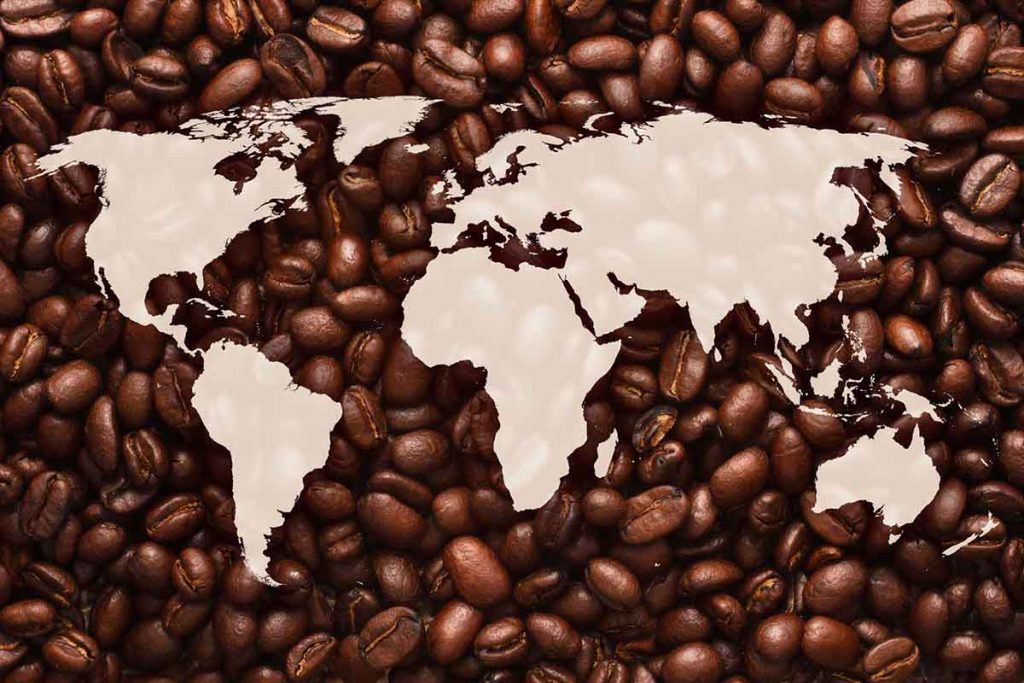
Coffee Growing Regions
Coffee production spans many countries, each shaped by unique geography and climate across the Coffee Belt, influencing where coffee grows best and how regional flavor patterns develop.
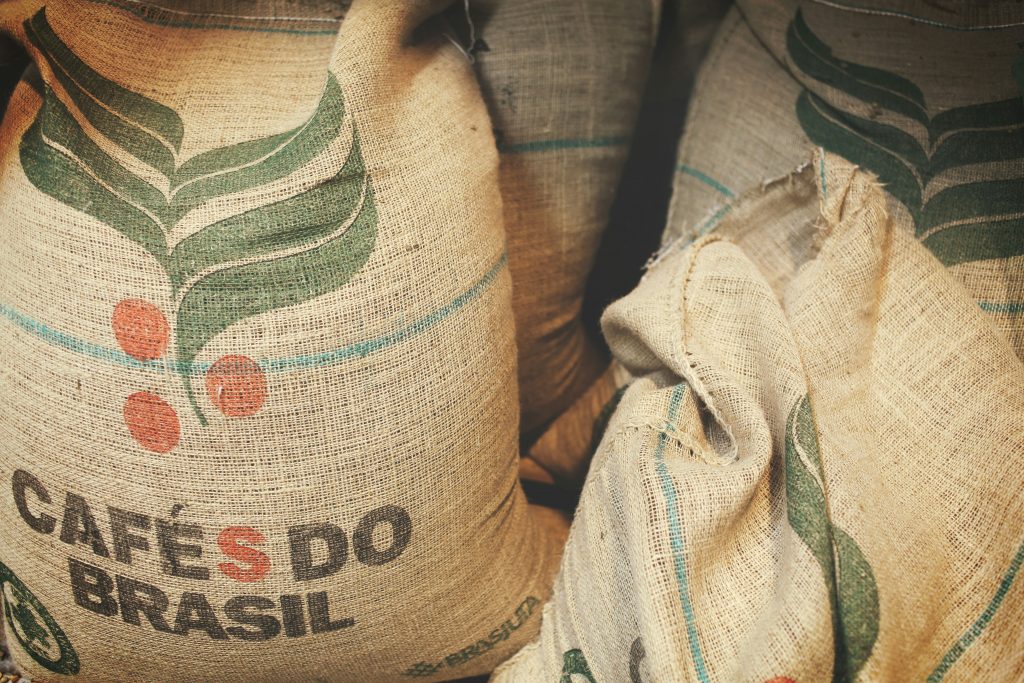
Brazilian Coffee
Brazil is the world’s largest producer, with diverse growing regions that yield mostly low-acidity coffees with nutty, chocolatey profiles commonly used in espresso blends.
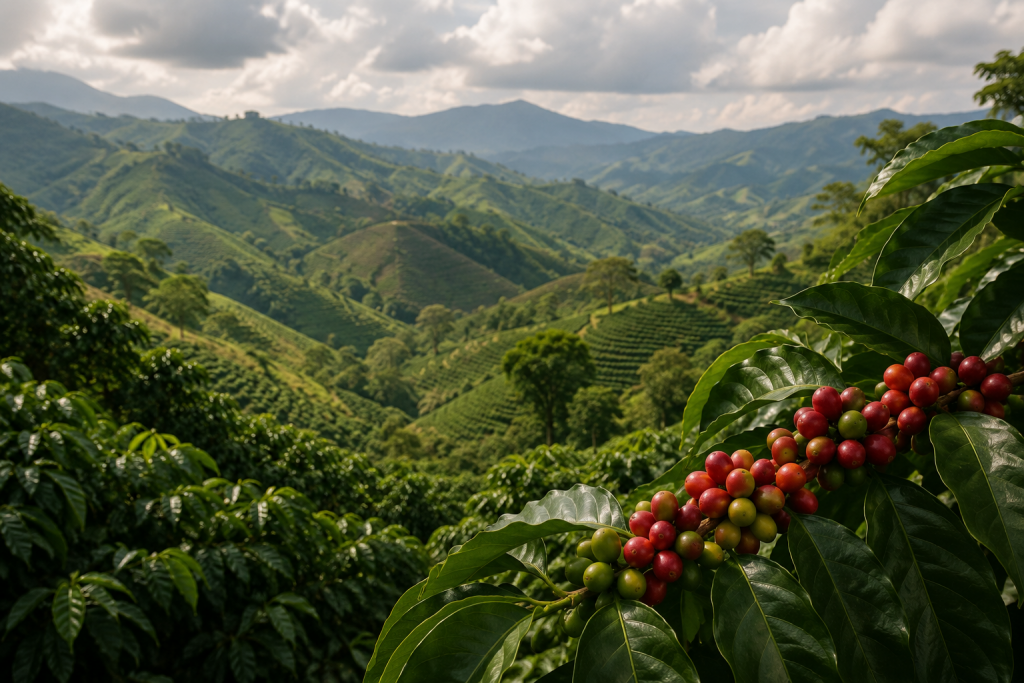
Colombian Coffee
Colombia’s mountain geography and dual harvest seasons support consistent, high-quality Arabica known for its clean, balanced cup and mild flavor profile.
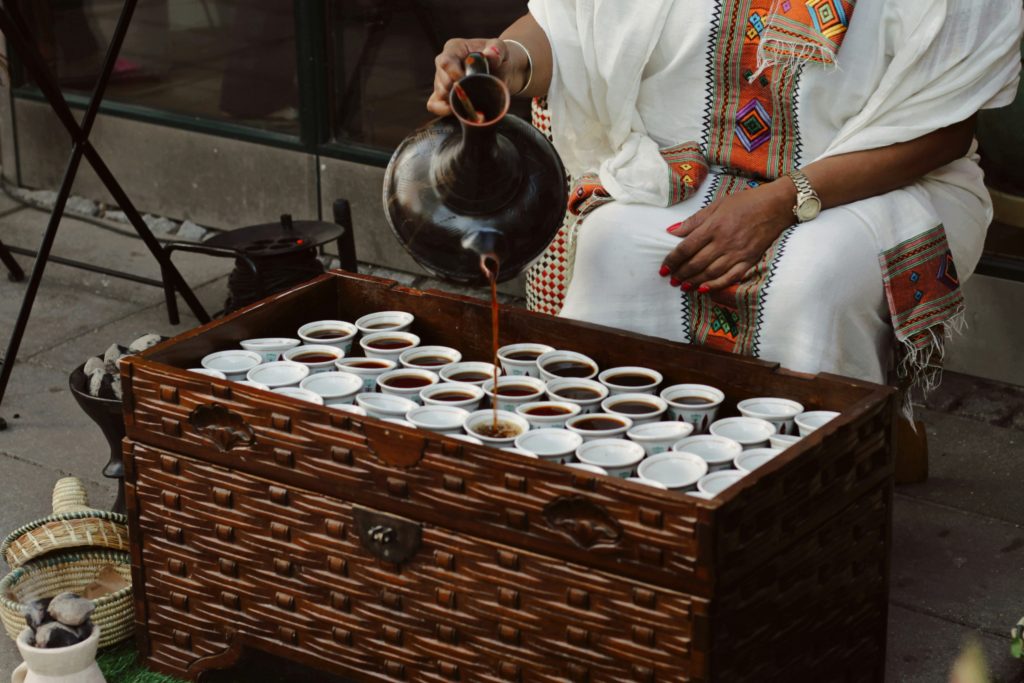
Ethiopian Coffee
Ethiopia, the birthplace of Arabica, has exceptional genetic diversity and produces complex, floral, and fruit-forward coffees from numerous wild and cultivated varieties.
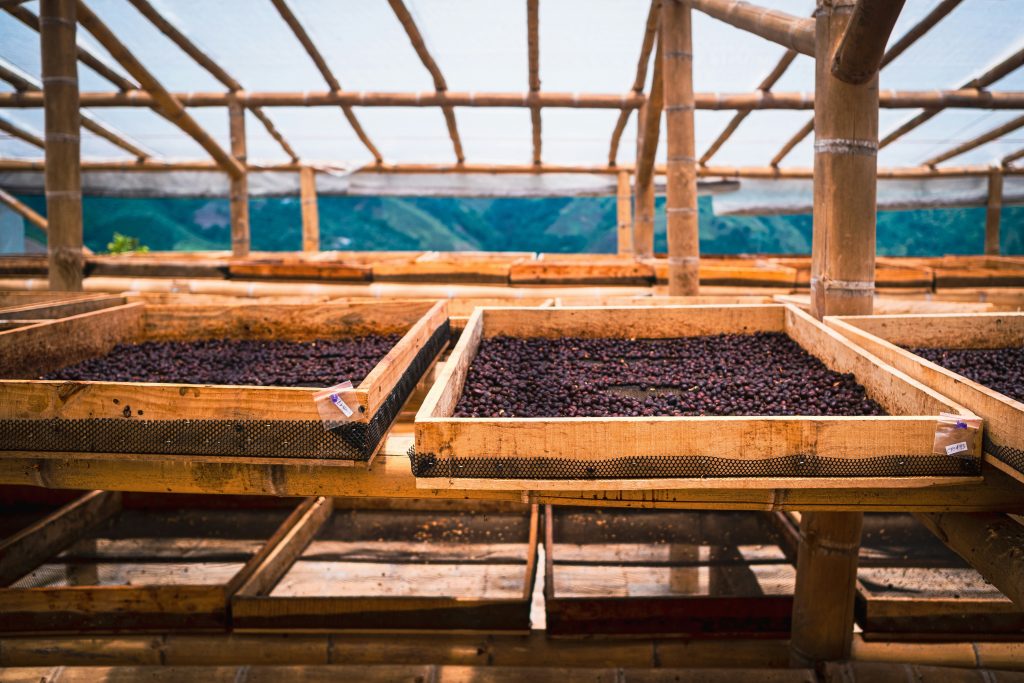
Processing Methods
Processing methods like washed, natural, and honey dramatically influence flavor by altering how the coffee cherry is handled after harvest, even within the same origin.
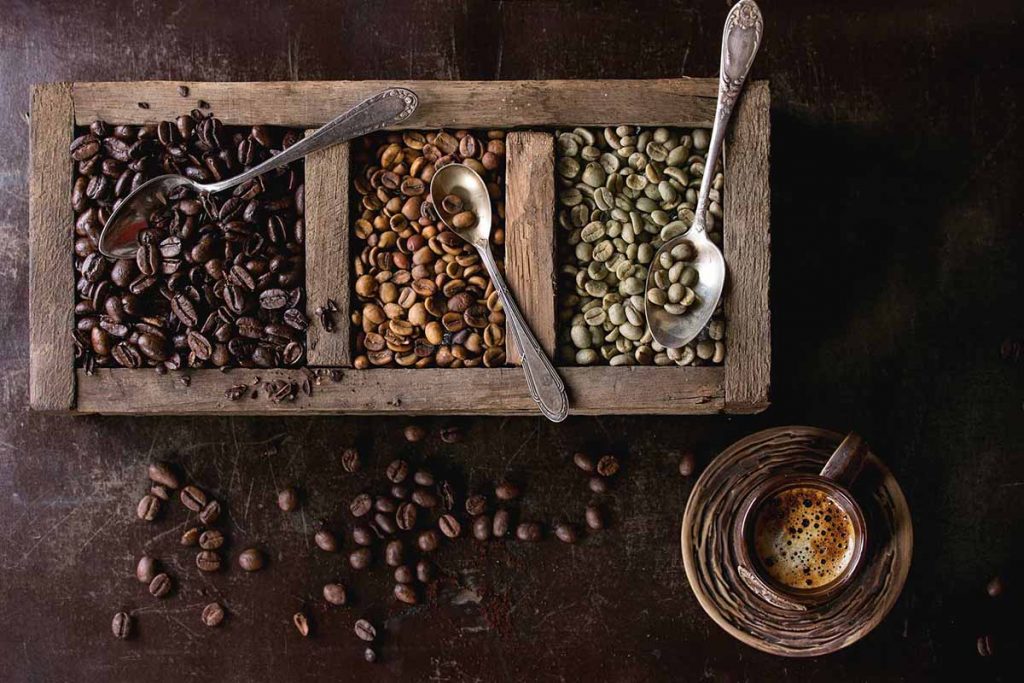
Coffee Varietals
Coffee varietals such as Bourbon, Typica, and Gesha provide distinct genetic traits that shape flavor, yield, and resilience, explaining differences between otherwise similar coffees.

Altitude and Quality
Elevation affects coffee development by slowing maturation at higher altitudes, leading to denser beans with more complex acidity, sugars, and overall cup quality.
Understanding Coffee-Producing Regions
Region
Common Characteristics
Typical Flavor Tendencies
South America:
Large range of altitudes; significant production volume; mix of large estates and small farms; two major producers (Brazil, Colombia) with distinct profiles.
Nutty, chocolatey, caramel (Brazil); clean, balanced, mild acidity (Colombia); stone fruit in higher-altitude areas.
Central America:
Volcanic soils; distinct harvest seasons; many high-altitude growing areas; strong tradition of washed processing.
Bright acidity, citrus and stone fruit notes, clean cup, medium body.
Africa:
Genetic diversity in Arabica; wide range of growing environments; both wild and cultivated coffee populations; Ethiopia and Kenya are major specialty producers.
Floral, fruit-forward, tea-like (Ethiopia); bright, complex, berry-fruit acidity (Kenya); earthy and savory notes in other regions.
Asia-Pacific:
Humid growing conditions in many areas; significant Robusta production; Arabica grown on islands and highland areas; distinctive processing traditions.
Full body, earthy, low acidity (Sumatra); clean, mild (Papua New Guinea highlands); savory, herbal notes across various origins.
Coffee Species and Varietals
Arabica
Coffea arabica is the species responsible for the majority of specialty coffee production. Arabica plants are more sensitive to disease, pests, and temperature variation than Robusta, but they produce a wider range of flavors and are capable of greater complexity. Most of the single-origin coffees sold through specialty channels are Arabica.
Robusta
Coffea canephora (commonly called Robusta) is hardier than Arabica, produces higher yields, and contains more caffeine. It is grown primarily in lower-altitude regions across Africa, Asia, and parts of South America. Robusta contributes body and crema to espresso blends and is the primary coffee species in many producing countries where Arabica does not thrive at scale.
Coffee Varietals
Within Arabica, there are hundreds of distinct varieties. Some – like Bourbon, Typica, and Caturra – are widely planted across multiple countries. Others, like Gesha or Yemen’s Mocha, are more geographically concentrated. Varietals vary in yield, disease resistance, altitude preference, and flavor characteristics. A significant part of what distinguishes premium specialty coffees is not just the origin or processing, but the specific variety planted.
Genetic Diversity
Ethiopia contains the greatest genetic diversity in wild and cultivated Arabica populations, which is one reason Ethiopian coffees display such a wide range of flavor profiles. As coffee farming and breeding programs expand, understanding varietal genetics has become increasingly important to producers aiming to develop varieties that balance quality, resilience, and productivity.
Processing and Origin
Processing is the stage where origin and production intersect most directly with flavor. The same beans, handled differently after harvest, can produce substantially different results in the cup.
Washed Processing
In washed (or wet) processing, the fruit is removed from the seed before drying. This produces a cleaner cup that more directly expresses the characteristics of the coffee’s origin and varietal. Acidity is typically more pronounced, and flavors are clearer and more defined. Washed processing is common in Central America, parts of Africa, and Colombia.
Natural Processing
In natural (or dry) processing, the whole cherry is dried intact, allowing the fruit to ferment and break down around the seed over an extended period. This imparts significant sweetness and fruit-forward flavor – blueberry, tropical fruit, and fermented notes are common. Brazil and Ethiopia are major producers of naturally processed coffees.
Honey Processing
Honey processing removes the outer skin of the cherry but leaves some or all of the mucilage (the sticky fruit layer) on the seed during drying. The amount of mucilage retained – and the duration and conditions of drying – affect how much sweetness and fruit character are transferred to the bean. Honey processing is common in Central America and produces results that fall between the clarity of washed and the richness of natural.
Learning Path for Coffee Origin Education
1
Coffee Growing Regions
Coffee-growing regions establish the geographic and climatic framework for understanding where and why coffee is grown.
2
Coffee Varietals
Coffee Varietals introduces the genetic dimension of coffee flavor before looking at specific countries.
3
Processing Methods
Processing methods explain the post-harvest variable that affects how origin characteristics are expressed in the cup.
4
Altitude and Quality
Altitude and quality provide context for why elevation is a recurring factor in specialty coffee discussions.
5
Brazilian Coffee
Brazilian Coffee applies the foundational concepts to the world’s largest producer.
6
Colombian Coffee
Colombian Coffee introduces a high-quality Arabica origin with a distinct growing geography.
7
Ethiopian Coffee
Frequently Asked Questions
Coffee origin refers to where a coffee was grown. It can be as broad as a country or as specific as a single farm or lot. Origin matters because growing conditions – climate, altitude, soil, and varietal – directly affect the flavor of the coffee.
Different countries have different climates, altitudes, soils, and plant varieties. These conditions affect how the coffee cherry develops and what flavor compounds accumulate in the seed. Processing traditions also vary by country, which adds another layer of flavor differentiation.
The Coffee Belt is the tropical zone between the Tropics of Cancer and Capricorn where conditions are generally suitable for coffee cultivation. Most of the world’s coffee-producing countries – Brazil, Colombia, Ethiopia, Vietnam, Indonesia, Guatemala, and others – fall within this band.
Altitude affects the rate at which coffee cherries develop. Higher elevation typically means cooler temperatures and slower development, which allows more sugars and acids to accumulate in the bean. This tends to produce denser, more complex coffee. High-altitude growing is a common characteristic of well-regarded specialty origins.
A varietal is a specific variety within a coffee species. Within Arabica, there are hundreds of distinct varietals – Bourbon, Typica, Caturra, Gesha, SL28, and many others. Varietals differ in their physical characteristics, disease resistance, and flavor tendencies.
Single-origin coffee comes from one defined source – a country, region, cooperative, or farm – rather than a blend of coffees from multiple origins. Single-origin coffees are often used to highlight the specific characteristics of a particular growing environment or producer.