



Learn how coffee professionals evaluate aroma, flavor, acidity, sweetness, body, balance, and overall quality.
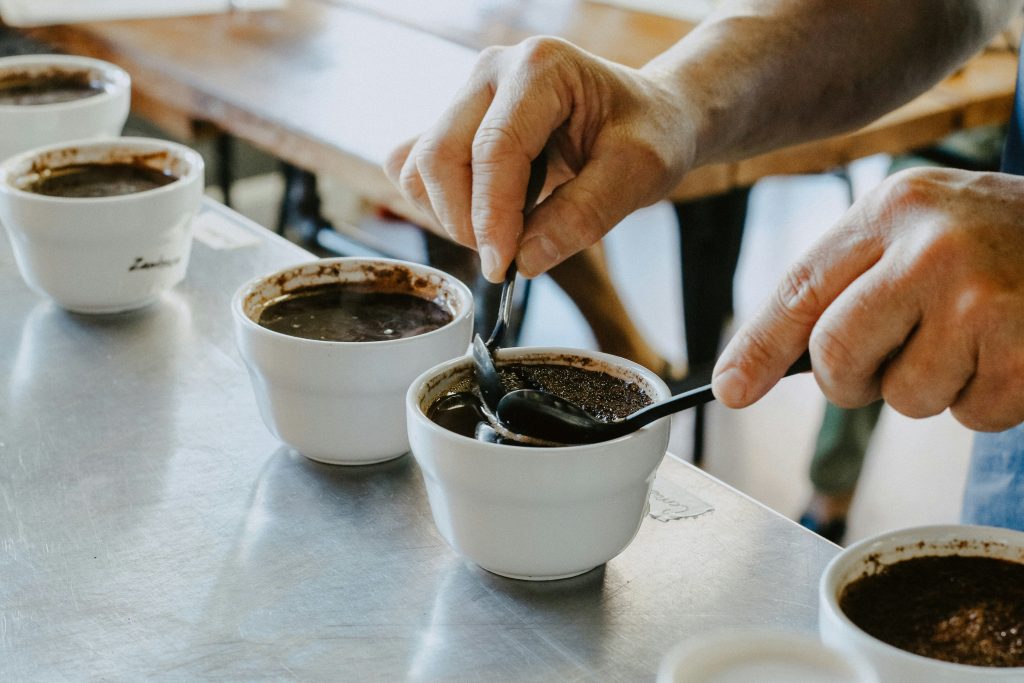
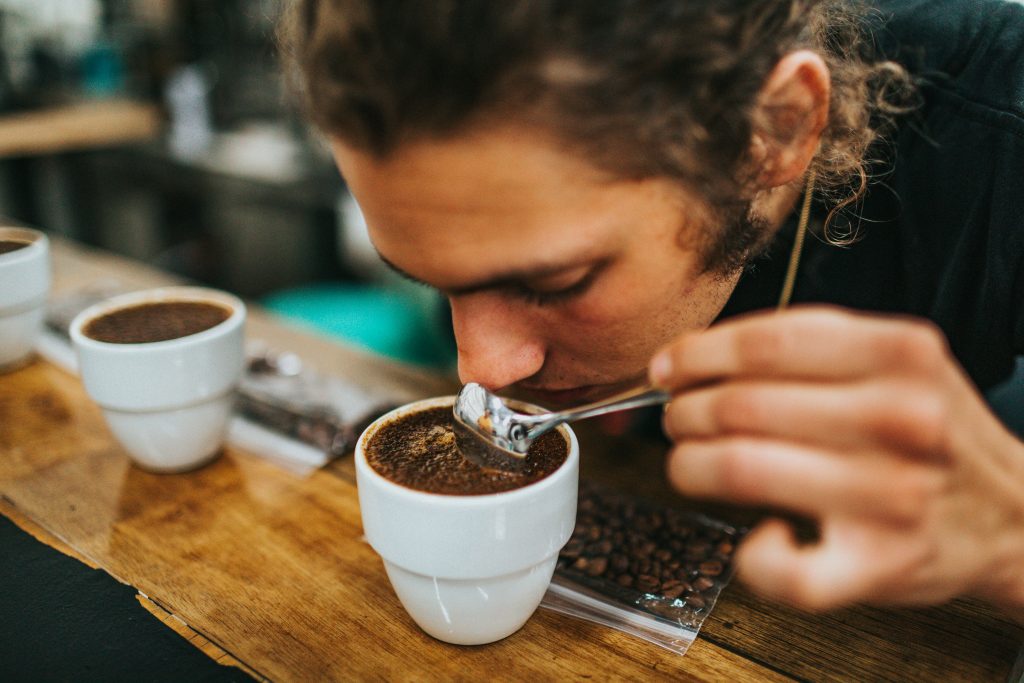
Coffee cupping is the standardised method used throughout the coffee industry to evaluate flavour, quality, and consistency. It gives tasters a structured way to assess coffee characteristics. From aroma and acidity to body and aftertaste, using the same process each time, regardless of who is doing the evaluation.
Sensory analysis takes this further by applying systematic observation to what you smell and taste. Rather than simply deciding whether a coffee is good or bad, sensory evaluation helps identify specific characteristics, compare coffees against each other, and communicate findings using a shared vocabulary.
Aroma is assessed twice during cupping: dry grounds, then after hot water—one of the most information-rich parts of the evaluation.
The combined sensory impression in the mouth. Represents the overall character — straightforward or layered.
Acidity in coffee refers to the perceived brightness or liveliness in the cup, not sourness. High-quality acidity is clean and adds vibrancy to the cup.
Sweetness comes from residual sugars and specific organic compounds that survive roasting. Absence often indicates poor processing or underdevelopment.
Body describes the weight and texture of coffee in the mouth – how it feels rather than how it tastes. Full body feels heavier and coating; light body feels tea-like.
Balance refers to how well the individual attributes work together without one dominating. Balance is a holistic assessment rather than a measurement of any one quality.
What remains after swallowing. A long, clean finish is positive, while a short or unpleasant one reduces quality. Some coffees continue to develop flavor afterward.
Defects in sensory evaluation are characteristics that negatively affect quality. Scored separately and result in point deductions from the total score.
Start with the protocol. The preparation, timing, and assessment stages provide a practical framework for everything else.
Aroma is the first thing assessed and contributes most to perceived flavour. Building recognition early makes evaluation more accurate.
Once you are tasting regularly, the wheel gives you vocabulary to describe what you find. Use it as a reference during sessions.
One of the most discussed and misunderstood attributes. Understanding it clearly improves how you assess and score it.
With cupping practice and vocabulary in place, this guide deepens how you observe and describe the full range of characteristics.
Learn to distinguish quality issues from intentional flavour characteristics — an important distinction in accurate evaluation.
The Coffee Cupping Guide explains the industry-standard method for evaluating coffee quality. It covers the cupping process, scoring system, and key sensory attributes, providing a consistent framework for developing tasting skills and accurately assessing coffee.
The Sensory Analysis Guide explains how to identify and describe coffee characteristics through structured tasting. It covers taste, aroma, and mouthfeel, helping tasters develop more accurate and consistent evaluation skills for quality assessment and communication.
The Coffee Flavor Wheel Guide explains how to use the SCA Coffee Taster’s Flavor Wheel to identify and communicate tasting notes. It shows how the wheel is organized and helps tasters create more precise, consistent, and standardized flavor descriptions.
The Coffee Defects Guide explains common coffee quality flaws and how they impact evaluation. It covers different defect types, how they’re identified during cupping, and how they affect scoring, helping with quality control, sourcing, and troubleshooting in roasting and processing.
The Acidity Explained Guide explores how acidity influences coffee flavor and how it is assessed in tasting. It explains different types of acidity, how roast and processing affect it, and how to distinguish pleasant brightness from unpleasant sourness.
The Aroma Evaluation Guide explains how aroma is assessed in coffee through dry fragrance, wet aroma, and retronasal perception. It covers how to identify and describe different scent categories and develop aroma recognition skills, highlighting its key role in overall flavour perception.
The Coffee Scoring Guide explains how coffee quality is evaluated using structured scoring systems like the SCA cupping form and Q Grading. It shows how attributes are scored and how total scores reflect overall quality, helping connect sensory evaluation to standardized quality assessment.
Attribute
What It Evaluates
Why It Matters
Aroma:
Scent of dry grounds and brewed coffee.
Accounts for a large portion of perceived flavour; early indicator of quality and defects.
Flavor:
Combined taste and aroma impression in the mouth.
Represents the overall character of the coffee.
Acidity:
Brightness, liveliness, perceived tartness.
Contributes to complexity and freshness; identifies quality vs sourness.
Sweetness:
Presence and quality of natural sugars and pleasant compounds.
Signals good processing and development; absence often indicates defects.
Body:
Weight, texture, and mouthfeel.
Affects how the coffee is experienced beyond taste alone.
Balance:
Harmony between all sensory attributes.
Indicates overall quality; imbalance suggests a flaw in one or more areas.
Aftertaste:
Lingering impressions after swallowing.
A long, pleasant finish is a quality indicator; short or unpleasant finish lowers scores.
Uniformity:
Consistency across multiple cups from the same sample.
Inconsistency between cups signals processing or sorting issues.
Clean Cup:
Absence of off-flavours or unwanted impressions.
Cleanliness reflects careful handling, processing, and storage.
Defects:
Presence of taints or faults in the cup.
Directly reduces quality score; identifies problems at origin, processing, or roasting.
Altitude, climate, and soil shape the green bean before processing. East African coffees tend toward bright acidity; Indonesian coffees toward a heavier, earthier body.
Washed coffees produce cleaner, brighter profiles. Natural coffees introduce fruit-forward or fermented characteristics. Honey falls between the two.
Lighter roasts retain origin character and acidity. Darker roasts shift toward bitterness and caramelisation. Affects every attribute assessed during evaluation.
Grind size, water temperature, contact time, and ratio all interact with flavour potential. A well-roasted coffee can be significantly helped or hurt by how it is brewed.
Volatile aromatics dissipate after roasting. Accurate evaluation typically happens 7–21 days post-roast, depending on protocol.
Too soft produces flat, under-extracted results. Too hard suppresses clarity and acidity. The SCA has established water quality guidelines for cupping.
Term
Meaning
Aroma:
The scent of brewed coffee perceived through the nose, both before and during tasting
Fragrance:
The dry scent of ground coffee before water is added; assessed separately from wet aroma during cupping
Acidity:
The perceived brightness or liveliness in the cup, associated with specific organic acids rather than sourness
Sweetness:
A pleasant quality contributed by residual sugars and certain organic compounds; not simply a level of sugar content
Body:
The weight and texture of coffee in the mouth – how heavy or light it feels on the palate
Aftertaste:
The flavours and impressions that linger after swallowing; also called the finish
Balance:
The degree to which the individual attributes of a coffee work together without any one dominating
Clean Cup:
A cup free from off-flavours, unusual or unwanted impressions; cleanliness is a positive quality indicator
Defect:
An off-flavour or fault in the cup resulting from problems in growing, processing, storage, or roasting
Cupping:
The standardised method used to evaluate coffee by preparing and tasting samples under consistent conditions