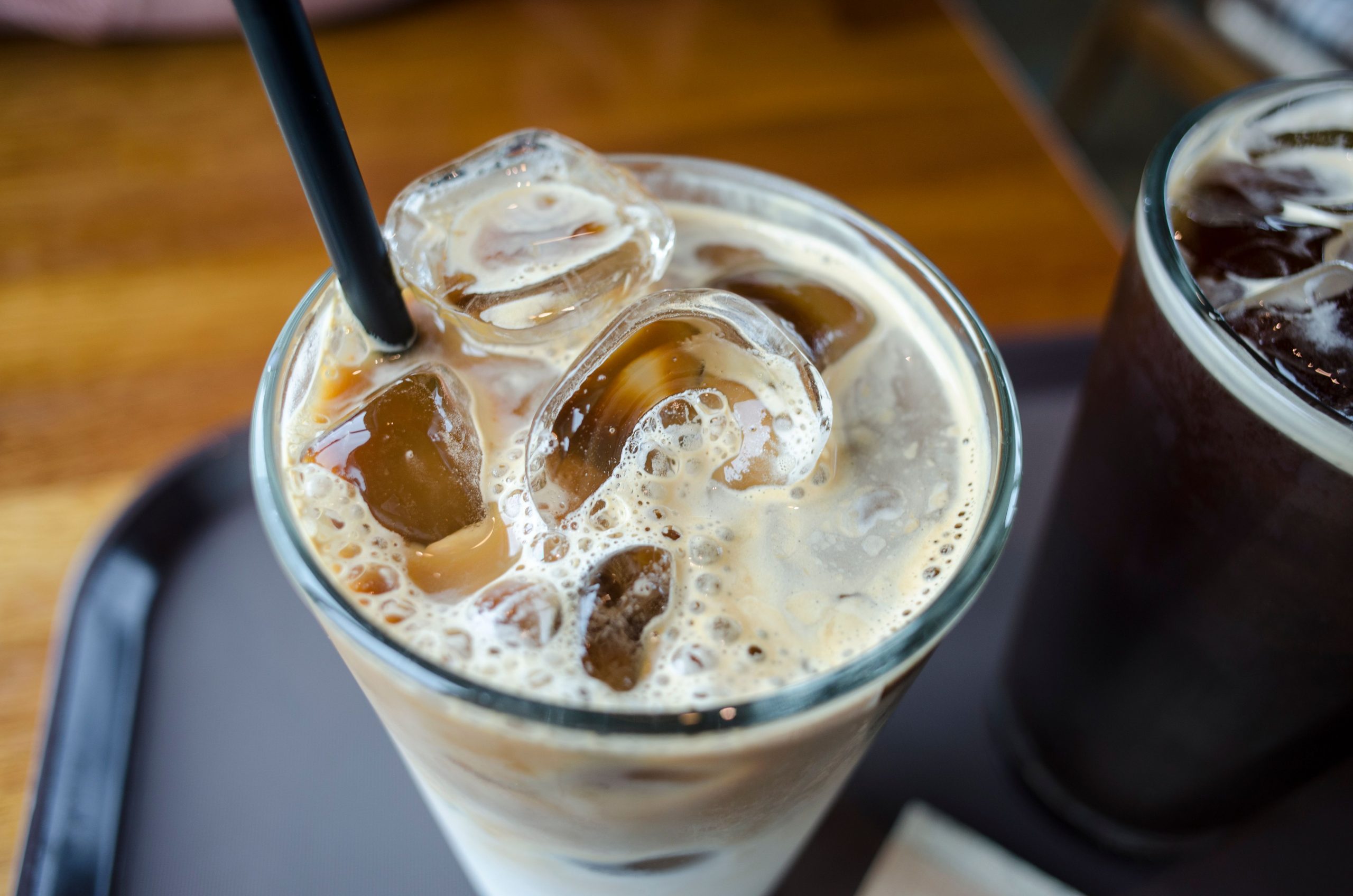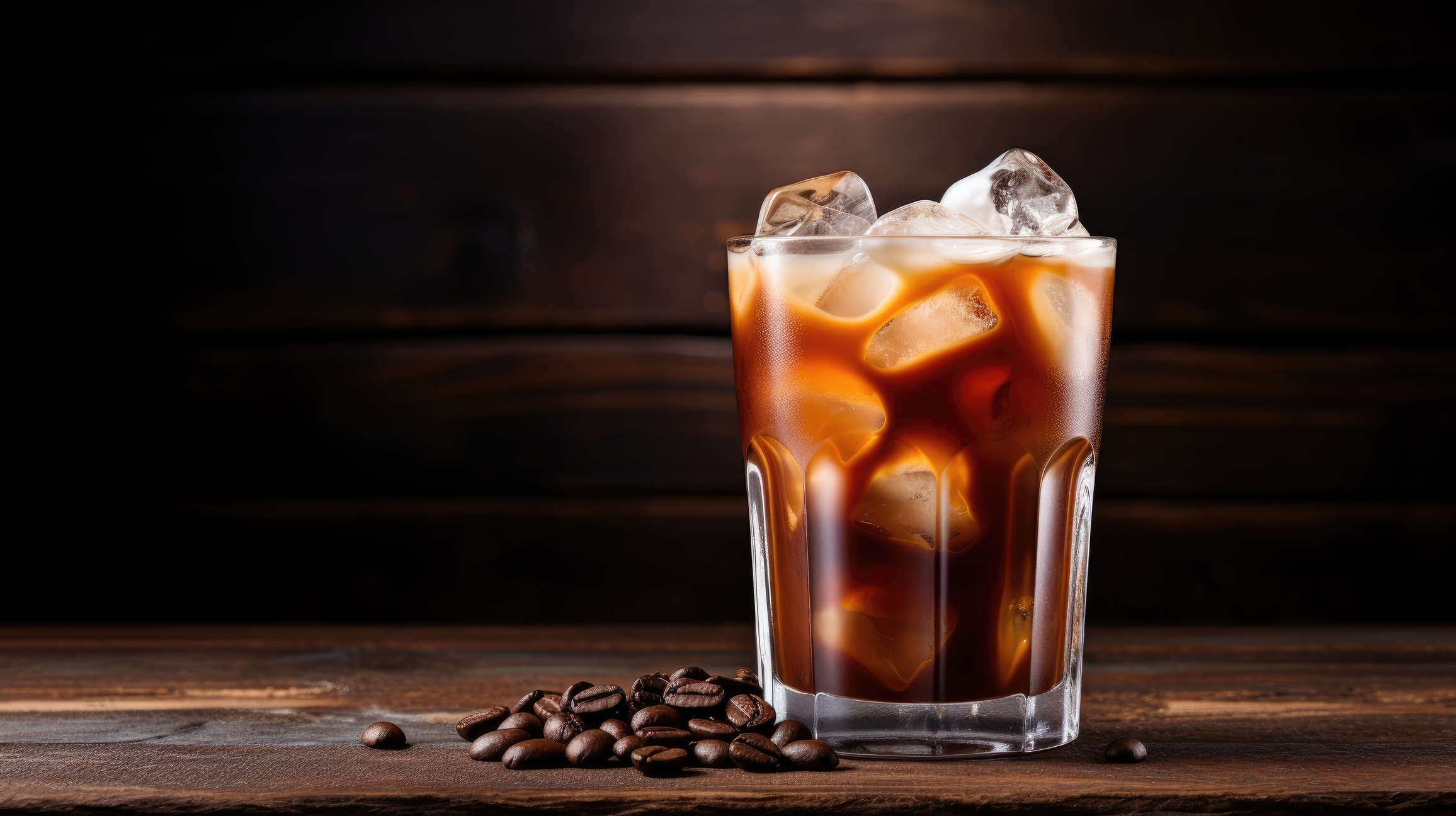
Cold brew has earned its place as one of the most beloved coffee drinks in the world — and for good reason. It’s smooth, naturally sweet, and refreshingly low in acidity. But here’s what most beginners don’t realize: the difference between a cold brew that tastes like liquid silk and one that tastes like murky pond water comes down almost entirely to your grind.
At Cafe do Paraiso, we’ve spent years roasting and brewing specialty coffee right here in Las Vegas, and one of the most common questions we get is: what’s the best coffee grounds for cold brew? This guide will answer that thoroughly — covering grind size science, brewing mistakes, pro tips, and everything you need to nail your next batch at home.
Why Grind Size Is the Most Critical Variable in Cold Brew Coffee
When you brew hot coffee, heat is doing most of the heavy lifting. It accelerates extraction, pulling flavor compounds out of the grounds in minutes. Cold brew flips that equation: you’re using time — typically 12 to 24 hours — instead of temperature.
This dramatically changes how grind size affects your cup.
With cold water and a slow steep, surface area becomes everything. The finer you grind your coffee, the more surface area is exposed to water, and the faster extraction happens. Grind too fine and you’ll over-extract in a long steep, producing harsh, bitter, or astringent flavors. Grind too coarse and the water can’t pull enough flavor compounds before you pour — leaving you with weak, watery, and underwhelming cold brew.
Getting your coffee grind size right isn’t just a technicality. It’s the foundation of the entire brew.
Coarse vs. Medium vs. Fine: How Each Grind Affects Cold Brew
Coarse Coffee Grounds — The Gold Standard
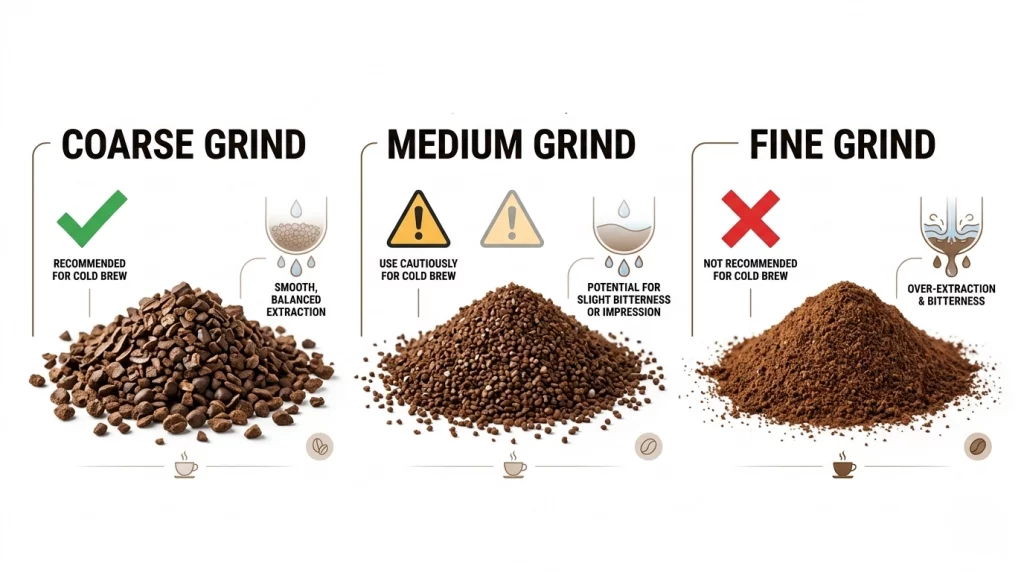
Coarse coffee grounds are the universally recommended choice for cold brew, and for very good reason. Think of the texture as similar to raw sugar or coarsely cracked pepper. Individual grounds are visible and chunky, not powdery.
With coarse grounds and an 8–24 hour steep, water gradually dissolves the right balance of sugars, acids, and aromatic compounds without aggressively pulling the bitter tannins and harsh oils that come from over-extraction. The result is a cup that’s rich, smooth, and naturally sweet — which is exactly what cold brew is supposed to taste like.
Coarse grounds also make the filtering process far easier. Fine particles clog filters and create murky, gritty concentrate. Coarse grounds settle quickly and stay cleanly within a mesh filter or cheesecloth during the straining step.
Best for: Standard 12–24 hour cold brew immersion, mason jar brew, cold brew toddy systems.
Medium Coffee Grounds — Proceed With Caution
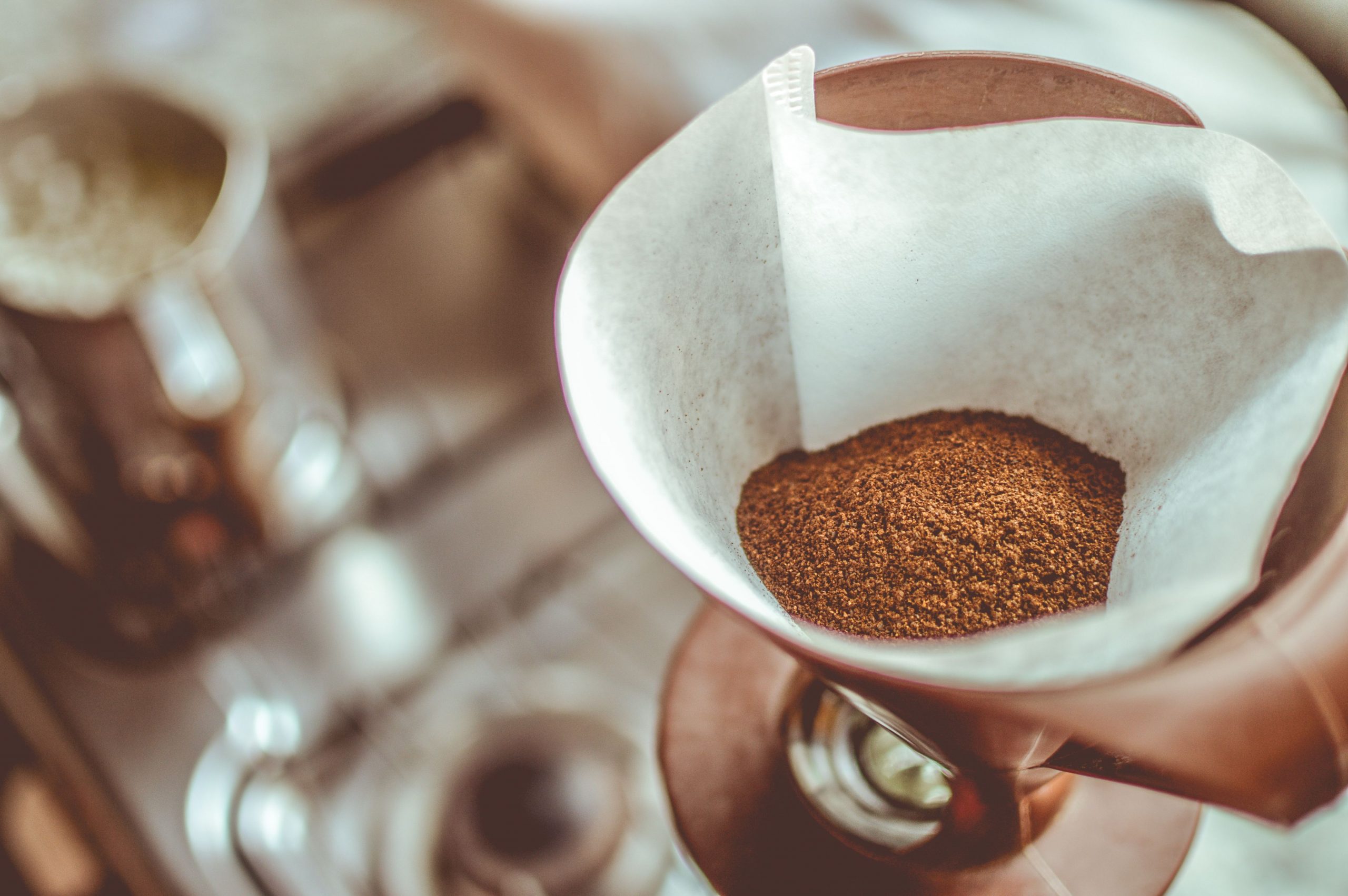
Medium grind looks like fine sand. It’s what most people use for drip coffee makers. For cold brew coffee, medium grounds can work in a pinch — but you’ll need to shorten your steep time significantly, typically to 8–14 hours, and monitor the flavor closely.
The risk with medium grounds is easy over-extraction. That pleasant sweetness can tip into bitterness faster than you’d expect, especially if your brew environment is warm. Medium grind cold brew also tends to produce a cloudier result and requires more filtering.
Best for: Shorter cold brew experiments when coarse grinding isn’t available, or slow-drip cold brew towers.
Fine Coffee Grounds — Avoid for Cold Brew
Fine grounds — the kind used for espresso or Moka pots — are essentially incompatible with standard cold brew methods. The massive surface area causes runaway extraction even in cold water, often within just a few hours. The resulting coffee is almost always over-extracted: bitter, astringent, and harsh.
Fine grounds also clog filters almost completely, making straining a frustrating, messy ordeal.
The one exception? Some specialty Japanese-style cold brew drip methods use slightly finer grinds with very controlled, slow drip rates — but these are precision instruments, not home brewing setups.
Best for: Espresso, Moka pot, Turkish coffee — not cold brew.
How Grind Size Affects Extraction, Flavor, Bitterness, and Strength
Understanding extraction helps you brew intentionally rather than by accident.
Extraction refers to what percentage of soluble compounds are pulled from the coffee grounds into your water. Specialty coffee professionals generally target an extraction yield of 18–22% for optimal flavor. Under-extracted coffee (too coarse or too short a steep) tastes sour, weak, and hollow. Over-extracted coffee (too fine or too long a steep) tastes bitter, dry, and harsh.
Here’s how grind size maps to extraction in cold brew:
- Too coarse: Under-extraction — watery, sour, lacking body
- Correct coarse grind: Balanced extraction — smooth, sweet, full-flavored
- Medium grind, long steep: Over-extraction — bitter, astringent, harsh
- Fine grind: Severe over-extraction — undrinkable bitterness
Strength is a separate variable — it’s about your coffee-to-water ratio, not your grind. For a cold brew concentrate, most professionals use a 1:4 ratio (1 part coffee to 4 parts water). For ready-to-drink cold brew, a 1:8 ratio works well. You can adjust strength independently of grind size, but grind determines the quality of extraction regardless of how strong you brew.
Common Cold Brew Mistakes (And How to Avoid Them)
Even experienced home brewers fall into these traps:
Using pre-ground coffee that’s too fine. Most grocery store pre-ground coffee is designed for drip makers — not cold brew. Always grind fresh, or seek out coarsely ground fresh roasted coffee specifically prepared for cold brew steeping.
Steeping at room temperature too long. Cold brew is safer and more consistent when brewed in the refrigerator. Room temperature steeping accelerates extraction and raises spoilage risk. Stick to fridge brewing for 18–24 hours.
Skipping the filter. A single pass through a paper filter isn’t always enough. For the cleanest cold brew, do a first pass through a metal mesh, then a second pass through a paper coffee filter or cheesecloth.
Using stale beans. Cold brew cannot rescue old coffee. The mellow, low-acid character of cold brew actually amplifies staleness. Always start with freshly roasted, freshly ground beans. If you want consistently great cold brew at home, consider a coffee subscription so you always have fresh beans arriving right when you need them.
Wrong water temperature. Cold or room-temperature water only. Even slightly warm water can distort the extraction curve and undermine the smooth profile you’re working toward.
How to Grind Coffee Correctly at Home for Cold Brew
You don’t need a commercial grinder to get professional results. Here’s what matters:
Choose the Right Grinder
A burr grinder is strongly preferred over a blade grinder. Blade grinders chop unevenly, producing a mix of powder-fine and boulder-sized pieces that brew inconsistently. Burr grinders crush coffee between two abrasive surfaces, producing a uniform particle size — which is exactly what cold brew needs.
Entry-level burr grinders start around $40–$60 and will dramatically improve your cold brew quality.
Dial In Your Grind Setting
Most burr grinders have numbered settings. For cold brew, aim for the coarsest end of the spectrum — typically settings 8–10 on a 10-point scale, or around 900–1,100 microns in particle size. When in doubt, err coarser rather than finer. You can always steep longer to compensate for a slightly coarse grind, but you cannot undo over-extraction from too-fine grounds.
Grind Right Before Brewing
Coffee begins losing its aromatics within 15–30 minutes of grinding. For maximum flavor complexity in your cold brew, grind immediately before adding grounds to water. If you want to make cold brew regularly without the hassle, buy coffee beans from local small independent roasters when possible instead of large corporations or grocery stores and grind fresh each time — the difference in flavor is unmistakable.
Brewing Recommendations from Coffee Professionals
Here at Cafe do Paraiso, we’ve dialed in these recommendations through hundreds of test batches:
Ratio: 1 cup coarse ground coffee to 4 cups cold filtered water for concentrate. Dilute 1:1 with water, ice, or milk before serving.
Steep time: 18 hours in the refrigerator is our sweet spot. Lighter roasts may benefit from a full 24 hours. Dark roasts often peak around 12–16 hours. When brewing on your kitchen counter at room temperature we recommend 6-12 hour brew times with stirring of the grinds two separate times within the water at the start of the brew to remove air bubbles from the coffee so it doesn’t float above the water line.
Roast selection: Medium and light-medium roasts shine in cold brew. Their natural fruit acids and sweetness come through beautifully in the slow extraction. Avoid very dark roasts unless you specifically enjoy a bold, smoky profile — they can become overpowering as a concentrate.
Water quality: Use filtered water or spring water, never distilled or RO water unless you plan to add minerals to it. Tap water with heavy chlorine and other contamenents can directly affects taste.
Storage: Cold brew concentrate keeps well in the refrigerator for up to two weeks in a sealed container.
For the best results, start with high-quality specialty grade or better coffee beans — the cleaner the source material, the cleaner the final cup.
Practical Tips for Cold Brew Beginners
Starting out? Keep it simple:
- Buy a bag of shop coffee beans from a small batch independent roaster either online or in person labeled “cold brew blend” or “medium roast” — these are reliably good starting points, although light roast coffees are fine too
- Use a mason jar, french press device, or lemonade pitcher and a fine-mesh strainer or paper filter with the french press for your first batch — no other special equipment needed
- Make your first batch on a Friday night; it’ll be ready Saturday morning
- Taste your cold brew before the full steep time is complete — this builds intuition quickly and lets you make adjustments
- Brew a small test batch before committing to a large one when trying a new bean or grind size
- A coffee bean subscription ensures you never run out mid-week and always have fresh beans for your next batch
Frequently Asked Questions
What is the best grind size for cold brew coffee?
Coarse and medium coarse grind are universally recommended. Aim for a consistency similar to raw sugar — chunky and uniform. This allows for a full 18–24 hour steep in cold water at 37 degrees without over-extraction, or 6-12 hours brewed at room temperature.
Can I use regular pre-ground coffee for cold brew?
You can, but most commercial pre-ground coffee is designed for drip brewing and is too fine for cold brew. It will likely produce bitter, over-extracted results and is difficult to filter. For best results, grind fresh at a coarse setting.
How long should I steep cold brew with coarse grounds?
The sweet spot for most coarse-ground cold brews is 18–24 hours in the refrigerator. Start checking at 14–16 hours to develop your palate for where you prefer the flavor.
Does the roast level affect my cold brew grind?
Roast level affects flavor profile significantly, but your grind size recommendation stays the same: coarse. Lighter roasts may need slightly longer steep times (closer to 24 hours) because they’re denser and slower to extract. Darker roasts tend to extract more quickly.
Why does my cold brew taste bitter even with coarse grounds?
Over-extraction is still possible with coarse grounds if you steep too long or in a warm environment. Try reducing your steep time by 2–4 hours, or ensure you’re brewing in the refrigerator rather than at room temperature. You may also want to as your roaster if they have a sweeter or less bitter tasting coffee bean in stock.
What coffee-to-water ratio should I use for cold brew?
For concentrate: 1:4 (1 cup coffee to 4 cups water). For ready-to-drink: 1:8. Most people prefer to brew concentrate and dilute to taste with ice, water, or creamer when serving.
Should I use light roast or dark roast for cold brew?
Medium and light-medium roasts are the most popular choice for cold brew — their natural sweetness and fruit notes are beautifully highlighted. That said, personal preference rules. Try a few different roast levels and see what suits your palate.
Conclusion: Start With Great Grounds, Finish With a Great Cup
Great cold brew starts long before you add water. It starts with the right beans, the right roast, and — as you now know — the right grind. Coarse, freshly ground coffee from quality beans will give you the smooth, naturally sweet cold brew that makes this brewing method worth mastering.
At Cafe do Paraiso, we’re passionate about helping Las Vegas coffee lovers brew better at home. Whether you’re just starting out or refining an already solid cold brew routine, the fundamentals never change: use coarse grounds, steep cold, and always start with fresh roasted coffee sourced from a roaster who cares as much about quality as you do.
Ready to brew the best cold brew of your life? Explore our selection of specialty roasts and shop coffee beans online today — your perfect cold brew is one grind away.