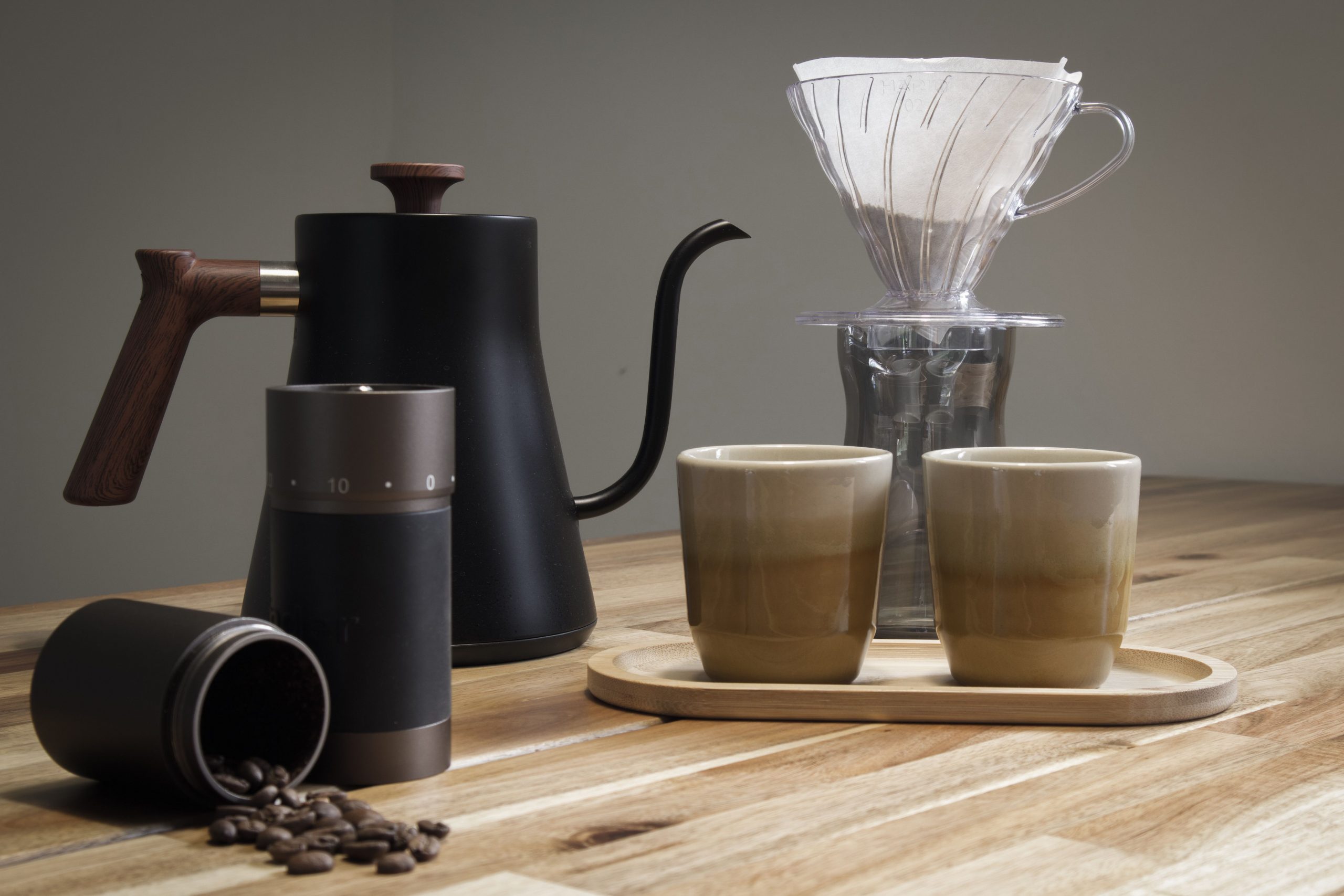
You bought a bag of espresso beans, and now you’re staring at your V60 wondering if this is a mistake. It’s a fair question. So, can you use espresso beans for pour over coffee? Yes, you can. Espresso beans are simply coffee beans roasted with espresso brewing in mind, and nothing stops you from running them through a filter instead of a machine. The results will taste different from what you’d get with a light or medium roast made for filter coffee, but different doesn’t mean bad.
This guide walks through what actually separates espresso beans from “regular” coffee beans, how roast level changes what ends up in your cup, and exactly how to adjust your grind, ratio, and water temperature so your pour over turns out balanced instead of bitter.
Can You Use Espresso Beans for Pour Over Coffee?
Yes. There’s no rule, mechanical or chemical, that stops espresso beans from working in a pour over brewer. “Espresso” describes a brewing method, not a type of bean. Any coffee bean can be used for espresso, and any coffee labeled as “espresso beans” can be brewed as filter coffee.
What changes is the outcome. Espresso beans are almost always roasted darker than beans sold for filter coffee, because a darker roast holds up better to the pressure and short contact time of espresso extraction. When you pour hot water over those same dark-roasted grounds instead, you get a cup that leans heavier, more bitter, and less bright than a pour over made with beans roasted specifically for drip coffee.
The short version: it works, but it takes some adjustment to taste its best. The rest of this article covers exactly what to change.
What Are Espresso Beans?
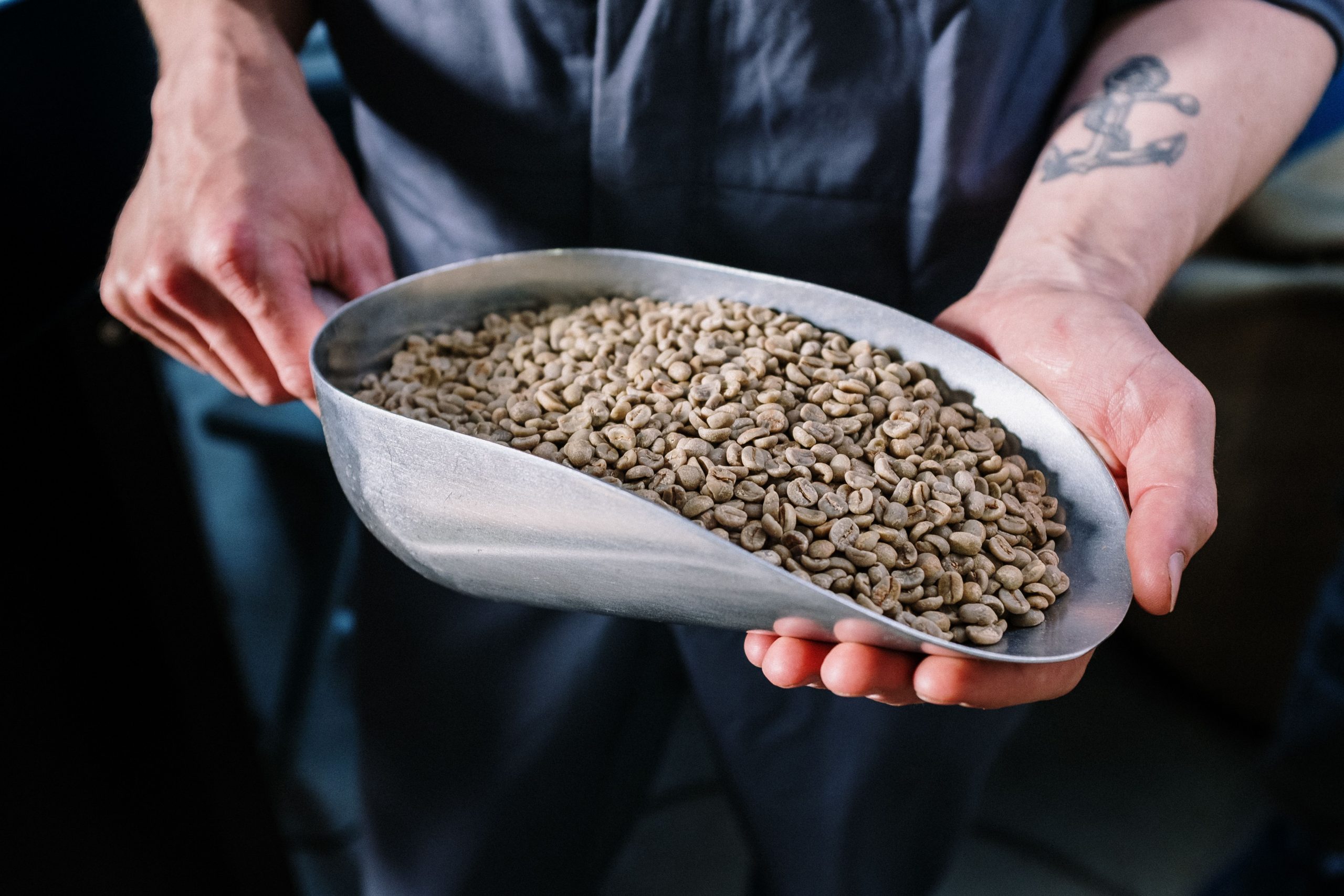
“Espresso beans” is a marketing term more than a technical one. There’s no botanical difference between an espresso bean and any other coffee bean. Both start as the same green coffee, whether Arabica, Robusta, or a blend.
What makes a bag labeled “espresso” different comes down to two things:
- Roast level. Most espresso blends are roasted medium-dark to dark, which develops the heavier body, lower acidity, and caramelized sweetness that people associate with a classic shot.
- Blend design. Many espresso beans are blended from several origins to create a consistent, balanced flavor that performs well under pressure, rather than one origin’s more distinct character.
Some roasters now sell single-origin or lighter espresso roasts aimed at people who want more clarity and acidity in their shots. Those beans behave a lot more like standard filter coffee when brewed as pour over, which is worth knowing if you’re shopping specifically for this purpose.
Espresso Beans vs Regular Coffee Beans
This is where a lot of confusion comes from. People assume “espresso beans” and “regular coffee beans” are grown or processed differently. In reality, the difference is almost entirely about roast profile and how the beans are intended to be brewed, not the coffee itself.
| Factor | Espresso Beans | Beans Roasted for Filter/Drip |
| Roast level | Usually medium-dark to dark | Usually light to medium |
| Flavor focus | Body, sweetness, low acidity | Acidity, clarity, origin character |
| Grind size (as sold) | Fine, for espresso machines | Often labeled for drip use |
| Best brew method | Pressurized espresso machines | Pour over, drip, immersion |
| Can be used the other way? | Yes, with adjustments | Yes, with adjustments |
The one thing that does matter mechanically is grind size, which we’ll get to shortly. But in terms of the bean itself, there’s no rule that says a coffee must be roasted dark to be called espresso, or light to be called filter coffee. Roasters choose a profile based on how they expect the coffee to be brewed.
Will Espresso Beans Taste Good in Pour Over?
This depends heavily on the roast, but here’s what to expect when brewing typical dark-roasted espresso beans through a filter.
Roast Level
Darker roasts extract faster and more easily than lighter roasts. The beans are more porous and broken down by heat, so hot water pulls flavor out of them quickly. In an espresso machine, that fast extraction happens in 25 to 30 seconds under pressure. In a pour over, where water sits in contact with grounds for two to four minutes, that same fast-extracting coffee can easily over-extract, pulling out bitter compounds along with the good stuff.
Flavor Profile
Dark roast espresso beans typically bring chocolate, roasted nut, caramel, or smoky notes. These translate fine to pour over. What you’ll miss is the fruit, floral, or tea-like character that lighter roasts show off in a filter brew, since that character is mostly roasted away by the time a bean reaches dark-roast territory.
Acidity
Acidity drops the darker a coffee is roasted. Espresso beans, being darker on average, produce a rounder, less acidic cup in pour over compared to a typical light-roast filter coffee. If you enjoy bright, tea-like pour overs, dark espresso beans will taste flatter by comparison. If you prefer a smoother, lower-acid cup, this can actually work in your favor.
Bitterness
This is the main risk. Combine a dark roast with the longer contact time of pour over, and bitterness compounds unless you adjust grind size, water temperature, or brew ratio to compensate. We’ll cover exactly how below.
Body
Dark roasts tend to produce more soluble oils and break down more easily during grinding, which usually gives pour over a heavier, syrupy body compared to a lighter roast filter coffee. Some people love this. Others find it muddies the clarity that pour over is known for.
Sweetness
Caramelization from a darker roast can read as sweetness, especially in the first few sips. That sweetness can fade quickly into bitterness if the coffee is over-extracted, which is why dialing in the brew matters more with espresso beans than with beans already roasted for filter use.
Can Medium or Light Espresso Roasts Work for Pour Over?
Yes, and often better than dark roasts. If you can find an espresso bean roasted medium or medium-light, it will behave much closer to a standard filter coffee when brewed as pour over. You’ll get more clarity, more acidity, and less risk of bitterness, while still keeping whatever blend character the roaster designed the coffee around.
If you have a choice of espresso beans to buy specifically for pour over, a lighter roast within the espresso lineup is generally the safer bet.
How to Brew Espresso Beans as Pour Over Coffee
Here’s how to adjust your process so a bag of espresso beans performs well in a V60, Chemex, or Kalita Wave.
Grind Size
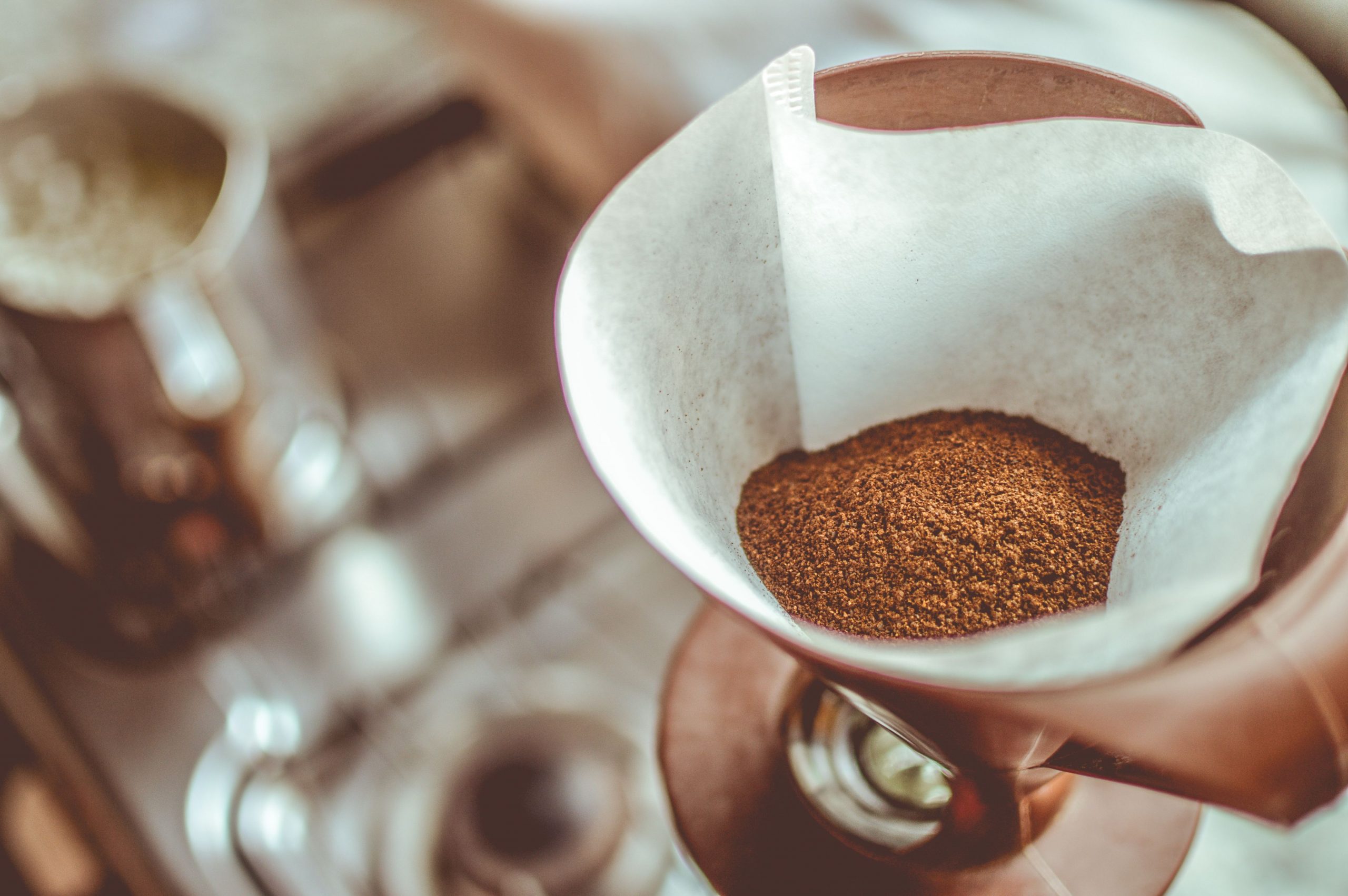
Espresso requires a very fine grind, closer to powdered sugar, to create resistance against the machine’s pressure. That grind is far too fine for pour over. Used as-is, it will clog your filter, slow your brew time dramatically, and produce an over-extracted, bitter cup.
Regrind the beans to a medium-coarse setting, similar to what you’d use for standard drip coffee, roughly the texture of coarse sand or kosher salt. This single adjustment matters more than almost anything else on this list.
Coffee-to-Water Ratio
Start with a standard pour over ratio and adjust from there:
- Standard ratio: 1:16 (1 gram of coffee to 16 grams of water)
- For dark, bold espresso beans: Try 1:17 to lighten the body and reduce bitterness
- For lighter espresso roasts: 1:15 to 1:16 works well
Example: for a 20-gram dose, use 300 to 340 grams of water depending on the ratio you land on.
Water Temperature
Because dark roasts extract faster, use slightly cooler water than you would for a light roast filter coffee.
- Light roast filter coffee: 200 to 205°F (93 to 96°C)
- Dark roast espresso beans in pour over: 195 to 200°F (90 to 93°C)
Cooler water slows extraction just enough to avoid pulling excessive bitterness from beans that are already primed to release flavor quickly.
Bloom Time
Bloom for 30 to 45 seconds using roughly twice the water weight of your coffee dose. This lets trapped carbon dioxide escape evenly before the main pour, which matters even more with fresh, oily espresso roasts that can bloom unevenly if rushed.
Brew Time
Aim for a total brew time of 2:30 to 3:00 minutes for most V60 and Kalita Wave brews. If your dark roast espresso beans taste bitter at this range, shorten total brew time by grinding slightly coarser rather than pouring faster, which gives you more control over the result.
Step-by-Step Brewing Example (V60)
- Grind 20g of espresso beans to a medium-coarse setting.
- Heat water to 195 to 200°F.
- Rinse the filter and add grounds to your V60.
- Pour 40g of water to bloom for 30 to 45 seconds.
- Pour in stages up to 320g total water, keeping a steady, slow pour.
- Total brew time should land around 2:45.
- Taste, and adjust grind size finer or coarser on your next brew based on whether the cup feels weak or bitter.
Café do Paraíso Manual Pour Over SetThis kind of adjustment is much easier with a kit built for consistency, since a reliable dripper and scale take the guesswork out of dialing in grind size and pour speed.
Best Roast Levels for Pour Over
If you’re buying coffee specifically for pour over rather than adapting an existing bag of espresso beans, roast level is the biggest factor in how the cup turns out.
| Roast Level | Typical Pour Over Result |
| Light roast | Bright acidity, floral or fruity notes, lighter body |
| Medium roast | Balanced acidity and sweetness, most versatile for filter coffee |
| Medium-dark roast | Fuller body, lower acidity, some espresso beans fall here |
| Dark roast | Heavy body, bold and roasty flavor, higher bitterness risk in pour over |
Specialty coffee shops and educators, including groups like the Specialty Coffee Association, generally favor light to medium roasts for pour over and filter brewing, since these roast levels preserve more of a coffee’s origin character and acidity, both of which pour over is particularly good at showing off.
Café do Paraíso Medium Roast Filter Blend If you’d rather skip the adjustments altogether, a roast built specifically for filter brewing will give you a more balanced cup with less trial and error.
Common Mistakes to Avoid
- Using the espresso grind as-is. This is the single biggest mistake. Always regrind to medium-coarse for pour over.
- Using water that’s too hot. Full-boiling water speeds up extraction on beans that already extract quickly, pushing the cup toward bitterness.
- Sticking to a 1:16 ratio no matter what. Dark roasts often taste better slightly weaker; adjust your ratio rather than forcing a standard recipe onto every bean.
- Ignoring bean freshness. Espresso beans are often sold and used quickly, so a bag that’s been open for weeks may already be past its best flavor window by the time you brew it as pour over.
- Judging the coffee after one bad cup. A single adjustment to grind size or ratio often fixes what tasted “off” in your first attempt.
When Should You Use Espresso Beans for Pour Over, and When Should You Choose Another Coffee?
Espresso beans make sense for pour over when:
- You already have a bag of espresso beans at home and don’t want to buy more coffee.
- You enjoy bold, chocolatey, low-acid cups more than bright, fruity ones.
- You’re experimenting and want to compare how roast level changes filter coffee.
Choosing a different coffee makes more sense when:
- You want the clearest possible expression of acidity and origin character.
- You’re brewing for guests who expect a classic specialty pour over profile.
- You have access to a bean roasted specifically for filter brewing and want the most reliable, balanced result without adjusting your recipe.
Neither choice is wrong. It comes down to what flavor profile you’re after and whether you’re willing to adjust grind size, ratio, and water temperature to get there.
Frequently Asked Questions
Is it bad to use espresso beans for pour over?
No. It’s not bad, but it changes the flavor. Expect a heavier, less acidic cup than you’d get from beans roasted specifically for filter coffee.
Do I need a different grinder setting for espresso beans in pour over?
Yes. Regrind to a medium-coarse setting similar to standard drip coffee. The fine grind used for espresso will over-extract and clog a paper filter.
Will espresso beans always taste bitter in a V60 or Chemex?
Not necessarily. Bitterness usually comes from brewing fine espresso grounds at full pour over contact time, or using water that’s too hot. Adjusting grind size, ratio, and temperature solves most of this.
Can I use pre-ground espresso beans for pour over?
It’s not ideal. Pre-ground espresso coffee is ground fine for machine use, and there’s no way to coarsen it after the fact. If possible, buy whole beans and grind them yourself at a coarser setting.
Is light roast espresso a real thing?
Yes. Some roasters sell lighter-roasted espresso blends aimed at people who want more acidity and clarity in their shots. These tend to work especially well when brewed as pour over.
What’s the best ratio for brewing espresso beans as pour over?
Start around 1:16 and move toward 1:17 if the cup tastes too heavy or bitter. Lighter espresso roasts can stay closer to 1:15 or 1:16.
Does the brewer I use, like a V60, Chemex, or Kalita Wave, matter with espresso beans?
It matters less than roast level and grind size, but the Chemex’s thicker filter tends to soften body and bitterness slightly more than a V60 or Kalita Wave, which can help balance a dark roast.
How do I know if my espresso beans are too dark for pour over?
If the cup tastes flat, ashy, or bitter even after adjusting grind and ratio, the roast is likely too dark to show the strengths pour over is known for. At that point, a medium roast built for filter coffee will give you a better result.
Final Thoughts
You can use espresso beans for pour over coffee, and plenty of people do it out of convenience or curiosity about how roast level changes the cup. The trick is treating it as its own recipe rather than expecting the same result you’d get from beans roasted for filter brewing. Regrind coarser, cool your water slightly, and adjust your ratio, and a bag of espresso beans can produce a genuinely good cup of pour over, just a different one than you’d get from a light or medium roast built for the job.
If you brew pour over often, it’s worth keeping both styles on hand: espresso beans for a bold, low-acid cup, and a coffee roasted specifically for filter brewing when you want more brightness and clarity.
Café do Paraíso Single-Origin Light Roast For readers who want to taste the difference roast level makes, brewing this side by side with a bag of espresso beans is one of the clearest ways to understand how roast profile shapes flavor in the same brewing method.