You take a first sip of coffee straight off the brewer, and it tastes sweet and balanced. Twenty minutes later, that same cup tastes sharper, thinner, maybe even a little sour. Nothing about the coffee itself changed, so why does it taste so different?
The answer comes down to temperature and how directly it affects your senses. Why does coffee taste different when it’s cold isn’t just a matter of personal perception, it’s rooted in real, measurable changes in aroma, sweetness, and acidity as a cup loses heat. Once you understand what’s happening, you’ll taste your coffee more accurately, and you’ll stop mistaking normal temperature shifts for a bad brew.
Why Does Coffee Taste Different When It’s Cold?
Coffee tastes different as it cools mainly because temperature changes how your senses register flavor, not because the coffee’s chemical makeup dramatically shifts in the cup. Heat drives aroma compounds up out of the coffee and into your nose, and aroma makes up a huge part of what we perceive as flavor. As coffee cools, fewer of those compounds evaporate, so the coffee smells less vivid, and by extension tastes less complex.
At the same time, temperature affects how sensitive your taste buds are to sweetness, acidity, and bitterness. Sweetness tends to fade as coffee cools, while acidity and certain bitter notes can become more noticeable. That’s why a cup that tasted rounded and sweet when hot can taste sharper or flatter once it drops in temperature, even though it’s the exact same coffee.
Is It Normal for Coffee’s Taste to Change as It Cools?
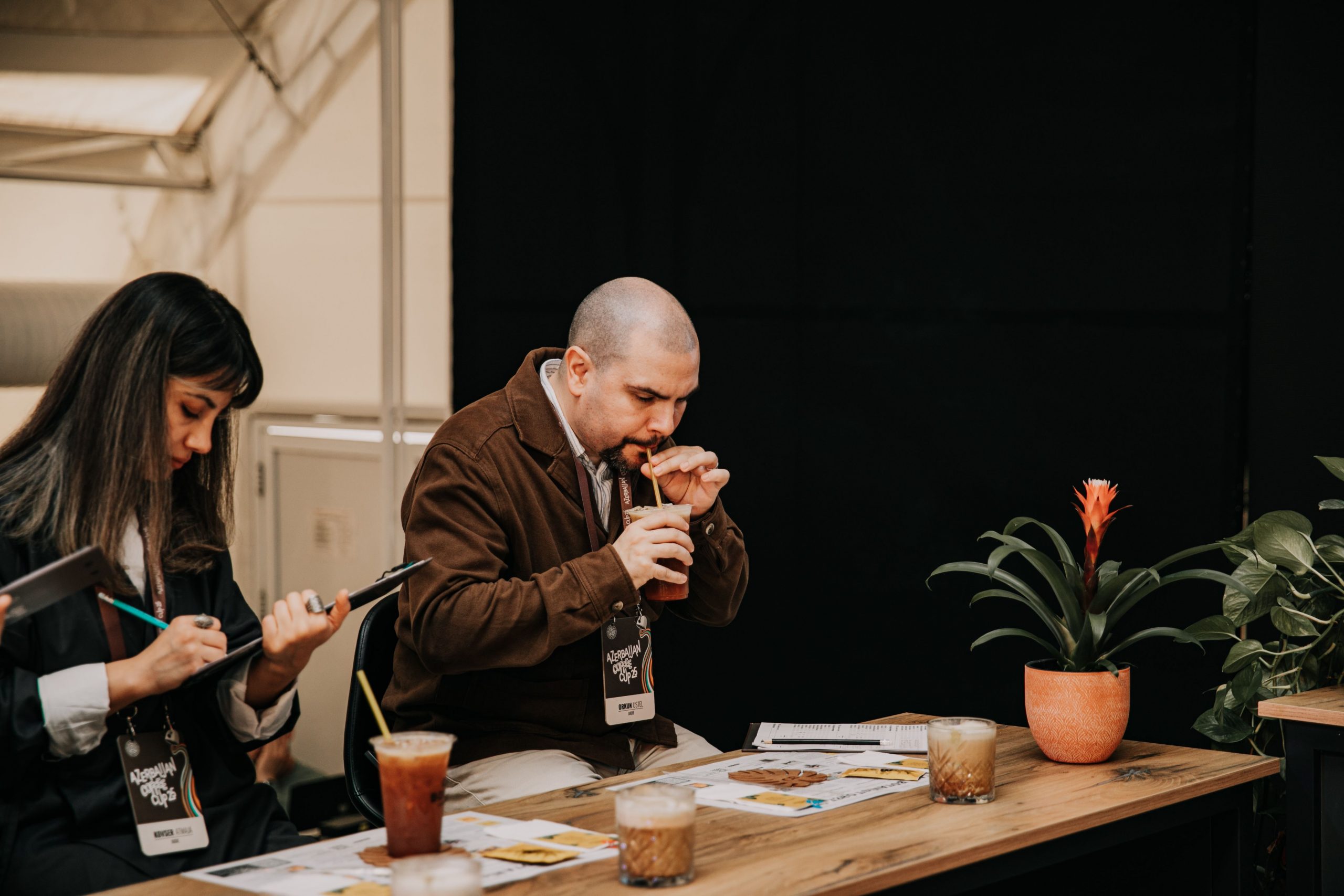
Yes, and it happens with every cup, not just coffee that’s been mishandled. Professional cuppers rely on this shift on purpose, tasting the same coffee at several temperatures during a single cupping session specifically because different qualities and flaws reveal themselves at different points as the cup cools.
If your coffee tastes noticeably different once it’s lukewarm compared to fresh off the brewer, that’s expected, not a sign that something went wrong. What matters more is whether the coffee still tastes balanced and pleasant as it cools, or whether it falls apart into flat, sour, or harsh territory. A well-made coffee should hold up reasonably well through a range of temperatures, even if it’s not identical at each one.
What Actually Happens to Coffee’s Flavor as It Cools
Several things happen at once as a cup of coffee loses heat, and each one affects flavor perception in a different way.
Aroma and Volatile Compounds Fade With Heat Loss
Much of what we experience as coffee’s flavor actually comes through the nose, not the tongue. Many of the compounds responsible for coffee’s aroma, the ones behind notes like caramel, citrus, or florals, are volatile, meaning they evaporate more readily at higher temperatures. As coffee cools, fewer of these compounds release into the air above the cup, which means less aroma reaches your nose with each sip. Since aroma plays such a large role in overall flavor perception, a cooler cup often tastes simpler and less vivid, even though the coffee’s actual composition hasn’t changed much.
Sweetness Perception Drops at Lower Temperatures
Human taste buds are more responsive to sweetness at warmer temperatures. This is a well-documented pattern in food and sensory science, not unique to coffee, and it’s part of why warm desserts often taste sweeter than the same dessert served cold. As coffee cools, the sweetness that felt present and rounded when hot can seem to fade, even though the coffee’s actual sugar and caramelized compound content hasn’t decreased.
Acidity Becomes More Pronounced When Coffee Cools
While sweetness fades with cooling, acidity tends to stand out more. This is partly because sweetness normally balances and softens acidity, so once that sweetness perception drops, the acidity that was there all along becomes more noticeable by comparison. It’s also partly because our sensitivity to sour and acidic tastes doesn’t decline with temperature the way sweetness does, so acidity holds steady while sweetness recedes around it.
Bitterness Can Taste Sharper or Duller Depending on Temperature
Bitterness perception is more complicated and doesn’t move in one consistent direction. In some cases, bitterness can taste more forward as coffee cools, since it’s no longer buffered by the same level of perceived sweetness. In other cases, certain bitter compounds become less perceptible at lower temperatures. This is part of why cuppers taste coffee across a temperature range, a coffee’s bitterness at piping hot doesn’t always predict how it will taste once it’s lukewarm.
Changes in Body and Mouthfeel as Coffee Cools
Temperature also affects how a coffee feels in the mouth, not just how it tastes. Coffee often feels lighter and thinner as it cools, since warmth itself contributes to a fuller, richer mouthfeel sensation. A cup that felt silky and full-bodied hot can feel comparatively thin once it cools, even with no actual change in the coffee’s composition.
Sugar and Oil Crystallization Affecting Texture
As coffee cools further, some of its natural oils and dissolved compounds can behave differently, occasionally contributing to a slightly different texture or a faint film on the surface. This is more noticeable in coffee left to cool for an extended period, well past lukewarm, and it’s one more reason very cold, sitting-out coffee often tastes and feels different from a freshly brewed cup.
Why Cold Brew and Iced Coffee Taste Different From Hot Coffee
It’s tempting to assume cold brew and iced coffee simply taste like “hot coffee, but cold,” but that’s not quite right. The differences go deeper than temperature alone.
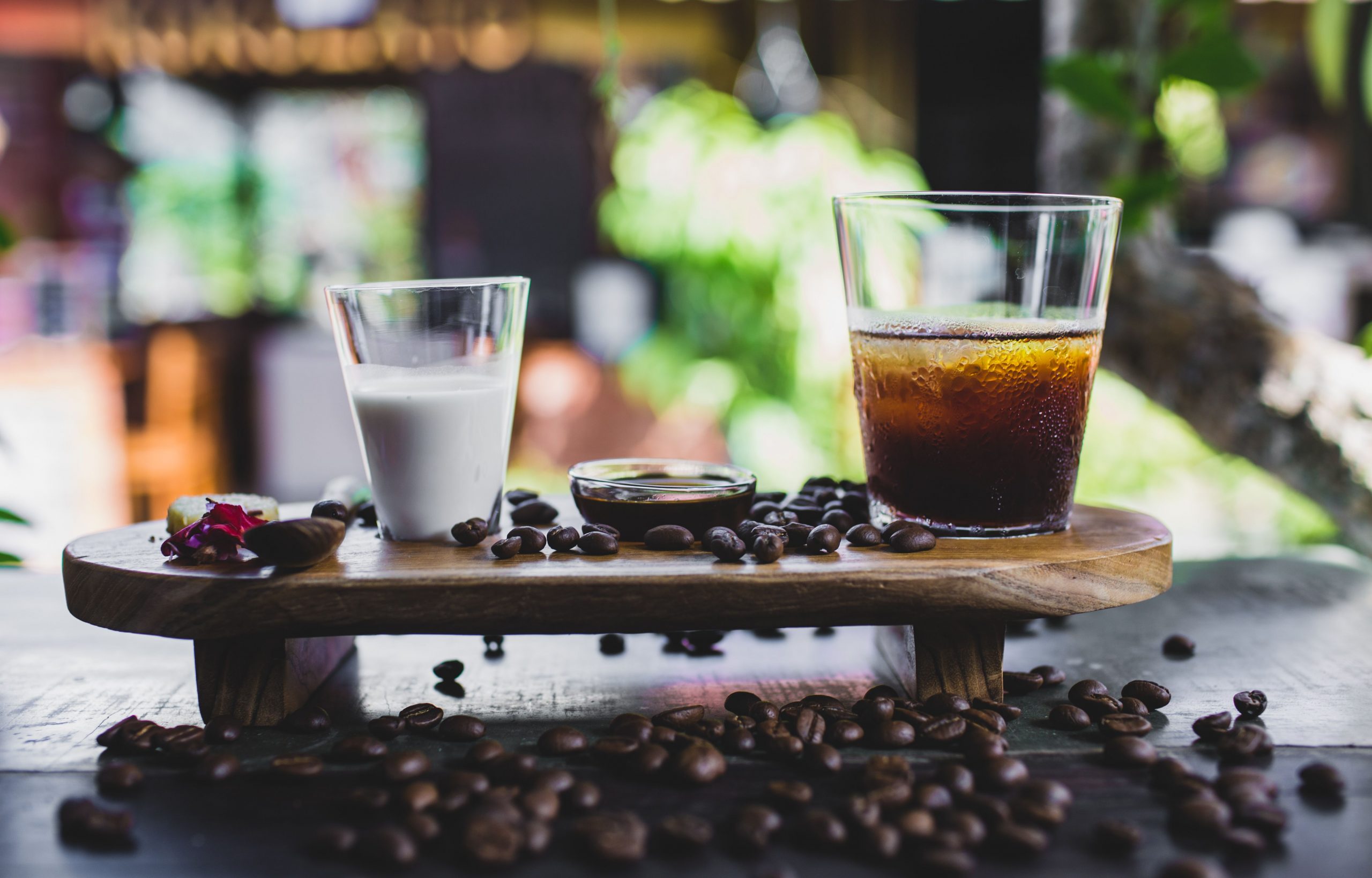
Cold brew is steeped with cold or room-temperature water over many hours instead of minutes. Because heat accelerates extraction, brewing without it changes which compounds come out of the grounds in the first place. Cold brew tends to extract less acidity and fewer bitter compounds relative to sweetness, producing a naturally smoother, rounder cup that isn’t simply a chilled version of a hot brew, it’s a genuinely different extraction.
Iced coffee, by contrast, usually starts as hot-brewed coffee that’s then cooled or poured over ice. Because it was extracted using hot water, it carries more of the acidity and aroma compounds associated with hot brewing, then loses some of that aroma vividness once it’s chilled. This is why iced coffee and cold brew, even using the same beans, can taste noticeably different from each other, one was extracted cold, the other was extracted hot and served cold.
Coffee’s cupping and sensory science backs this up: extraction temperature shapes which compounds end up in the final cup just as much as serving temperature shapes how those compounds are perceived. For readers who want a deeper look at how professional tasters break these differences down, our Coffee Flavor Wheel guide covers the full range of tasting notes and how they show up across different brewing approaches.
If you’re brewing cold brew or iced coffee at home and want a cup that holds its character well at cold temperatures, Café do Paraíso Cold Brew Blend is roasted with this kind of extraction in mind, developed to stay balanced and smooth rather than thin or flat once served over ice.
Why Baristas and Cuppers Taste Coffee at Different Temperatures
Professional coffee cupping, the standardized method used to evaluate coffee quality, deliberately involves tasting the same coffee multiple times as it cools from just-brewed to room temperature. This isn’t a formality. Different flavor characteristics and flaws show up at different points along that temperature curve.
A coffee that tastes clean and pleasant piping hot might reveal a papery or stale note once it cools to room temperature. Conversely, some of a coffee’s more delicate, sweeter qualities only become clear once the aggressive aroma of a hot cup settles down. Cupping protocols developed by organizations like the Specialty Coffee Association account for this by having tasters return to the same cup several times over roughly fifteen to twenty minutes, rather than judging quality from a single hot sip.
This is also why a coffee that tastes fine hot but disappointing once it cools isn’t necessarily a poorly brewed cup, it might simply have a flavor profile that reveals its weaker points at lower temperatures. Our Sensory Analysis guide goes further into how cuppers structure this kind of evaluation and what specific qualities they’re listening for at each stage.
How to Taste Your Coffee More Accurately at Home
You don’t need professional cupping equipment to apply this idea at home. Try this simple approach next time you want to evaluate a coffee properly rather than just enjoy it.
- Take your first taste right after brewing, while the coffee is hot but not scalding. Note the aroma as much as the flavor.
- Taste again once the coffee has cooled to a comfortable drinking temperature, roughly a few minutes later. Compare whether sweetness and acidity feel different.
- Taste a final time once the coffee is closer to room temperature. This is where flaws like staleness or papery notes tend to surface, and where you’ll notice if the coffee still feels balanced without the aroma boost of heat.
- Pay attention to how the coffee changes, not just how it tastes at any single point. A coffee that stays reasonably balanced across all three tastings is a good sign of quality.
This kind of side-by-side tasting is far more revealing than judging a coffee from one sip alone, and it’s a useful habit whether you’re evaluating a new bag of beans or just trying to understand your own preferences better.
Common Mistakes People Make When Judging Coffee by Taste Alone
- Judging a coffee only by its first hot sip. This misses how the coffee holds up as it cools, which is often where quality differences show up most clearly.
- Assuming a coffee that tastes different cold was brewed badly. Flavor shifting with temperature is normal. What matters is whether it stays balanced, not whether it stays identical.
- Comparing cold brew and iced coffee as if they should taste the same. They’re extracted differently, so expecting an identical flavor profile sets up an unfair comparison.
- Letting coffee sit far past room temperature before tasting it again. Extended cooling introduces texture changes that aren’t representative of normal tasting conditions.
- Ignoring aroma while tasting. Since so much of flavor comes through smell, tasting without paying attention to aroma leaves out a large part of the picture, especially when comparing hot and cool sips.
Tips for Keeping Coffee Tasting Its Best as It Cools
- Brew only what you’ll drink within a reasonable window. Coffee that sits for a long time loses more aroma and starts to show flaws more clearly.
- Use a preheated mug or cup. This slows down heat loss and keeps aroma compounds releasing for longer.
- Choose a roast known for holding up well as it cools, rather than one that leans heavily on delicate, fleeting aromatics that fade quickly. Café do Paraíso Medium Roast is a good option here, developed with a balance of sweetness and body that tends to stay pleasant across a wider temperature range.
- If you enjoy iced coffee, consider brewing it specifically for that purpose, using a cold brew method, rather than simply chilling hot-brewed coffee, since the extraction itself will produce a smoother result at cold temperatures.
- Taste your coffee at more than one temperature, especially when trying a new bag, to get a fuller sense of its actual quality.
Frequently Asked Questions
Does coffee lose sweetness as it cools down?
Yes. Taste buds are generally less responsive to sweetness at lower temperatures, so the sweetness that felt present in a hot cup often seems to fade as the coffee cools, even though the coffee’s sugar content hasn’t changed.
Why does cold coffee sometimes taste more bitter or sour?
As sweetness perception drops with cooling, acidity and certain bitter notes become more noticeable by comparison, since they’re no longer balanced out by the same level of perceived sweetness.
Why does coffee taste flat or dull once it’s cold?
Much of coffee’s perceived flavor comes from aroma, and aroma compounds evaporate less readily at lower temperatures. With less aroma reaching your nose, the coffee can taste simpler and less vivid, which often comes across as flat or dull.
Does this mean my coffee was brewed badly if it tastes different cold?
No. Flavor changing with temperature is a normal, expected part of how coffee works, not a sign of a brewing mistake. What matters more is whether the coffee stays reasonably balanced as it cools, rather than falling apart into sourness or flatness.
Why do cold brew and iced coffee taste different from hot coffee made with the same beans?
Cold brew is extracted using cold water over many hours, which pulls out a different balance of compounds than hot extraction does. Iced coffee, by contrast, is typically brewed hot and then cooled, so it retains more of the acidity and aroma character associated with hot brewing before that character partially fades once chilled.
Can reheating coffee change its flavor?
Yes. Reheating coffee reintroduces some aroma volatility, but it can also push certain compounds toward flatter or slightly stale-tasting notes, especially if the coffee has already cooled fully once. Reheated coffee rarely tastes identical to a freshly brewed cup at the same temperature.
Why do baristas taste coffee at multiple temperatures during cupping?
Because different qualities and flaws reveal themselves at different points as coffee cools. Tasting only when it’s hot can miss papery, stale, or unbalanced notes that only become clear once the cup settles closer to room temperature.
How can I keep my coffee tasting good as it cools?
Brewing only what you’ll drink in a reasonable window, using a preheated cup, and choosing a roast known for holding its balance across temperatures all help. Tasting at multiple points as the coffee cools also helps you understand what to expect from a particular bag going forward.
Final Thoughts
Why does coffee taste different when it’s cold comes down to real sensory science: aroma fades, sweetness perception drops, and acidity becomes more noticeable as a cup loses heat. None of this means your coffee was brewed incorrectly. It’s simply how flavor perception works as temperature changes, and it’s exactly why professional cuppers taste coffee at multiple temperatures rather than relying on a single hot sip.
Paying attention to how your coffee changes as it cools, rather than judging it from one moment alone, will give you a much fuller, more accurate sense of what you’re actually tasting, and a better appreciation for just how much temperature shapes the cup in front of you.