You scoop coffee the same way every morning. Same scoop, same bag, same mug. So why does the coffee taste slightly different some days – a little weak on Tuesday, a little harsh on Friday?
Does a coffee scale make a difference here? Yes, and the reason comes down to something most people don’t think about: a scoop measures volume, not weight, and coffee beans don’t fill a scoop the same way every time. Roast level, bean density, and grind size all change how much coffee actually ends up in that “level scoop.” Weight doesn’t have that problem. A gram is a gram, whether the beans are light or dark, fresh or a few weeks old, coarse or fine.
This guide breaks down why that difference matters, when a scale earns its place on your counter, and how to start weighing coffee without turning your morning routine into a lab experiment.
Does a Coffee Scale Really Make a Difference?
Coffee brewing is really just a ratio problem. You’re mixing a specific amount of ground coffee with a specific amount of water, and that ratio determines how strong, balanced, and flavorful the final cup turns out. The coffee-to-water ratio is the foundation everything else builds on – grind size, brew time, and water temperature all matter, but they’re adjustments on top of that basic ratio.
A scale keeps that ratio accurate every single time. A scoop estimates it, and the estimate shifts more than most people realize. That’s the core reason a coffee scale makes a difference: it removes one of the biggest sources of unpredictable variation between one cup and the next.
Why Volume-Based Scooping Isn’t as Consistent as It Seems
How Bean Density, Roast Level, and Grind Size Change Scoop Weight
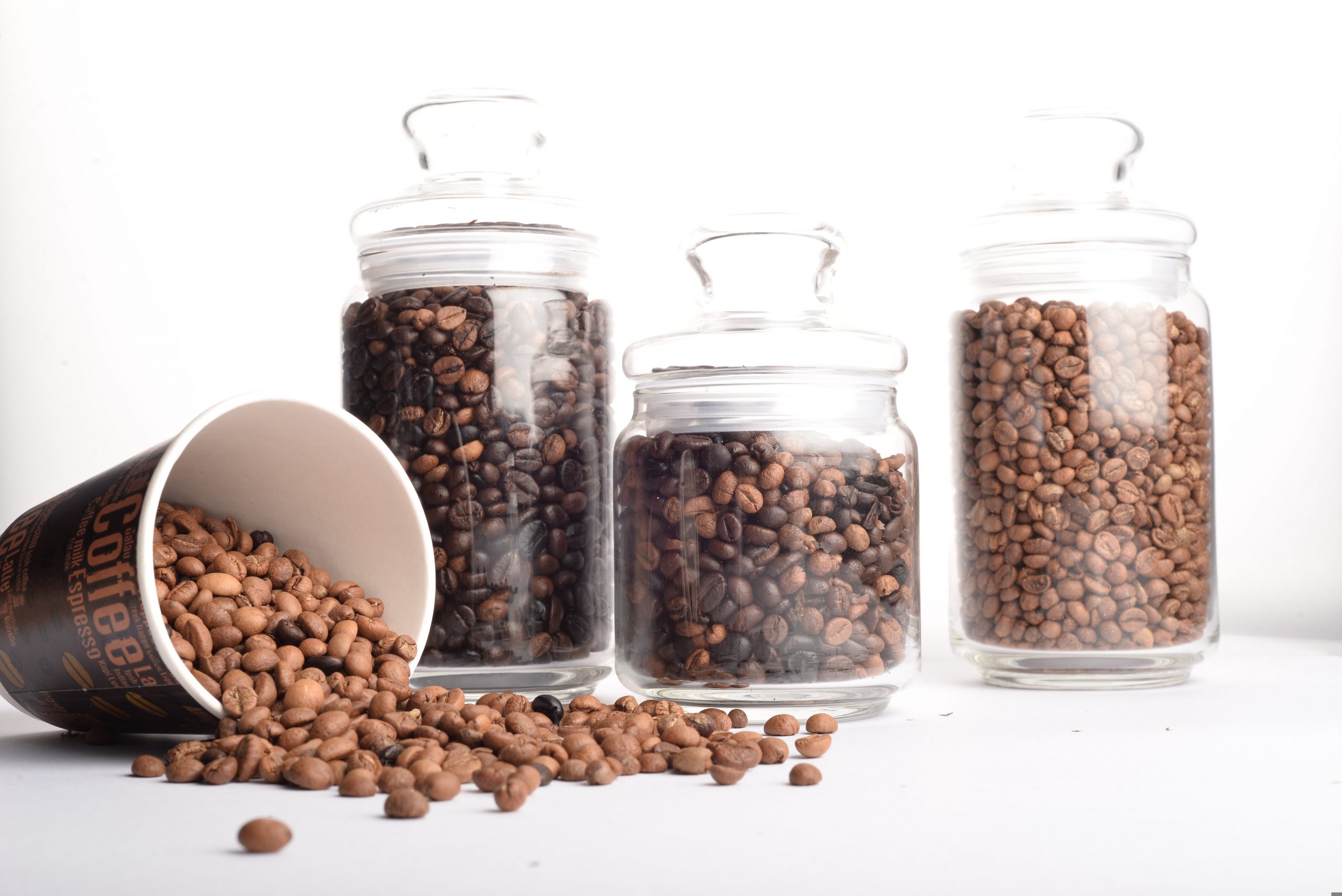
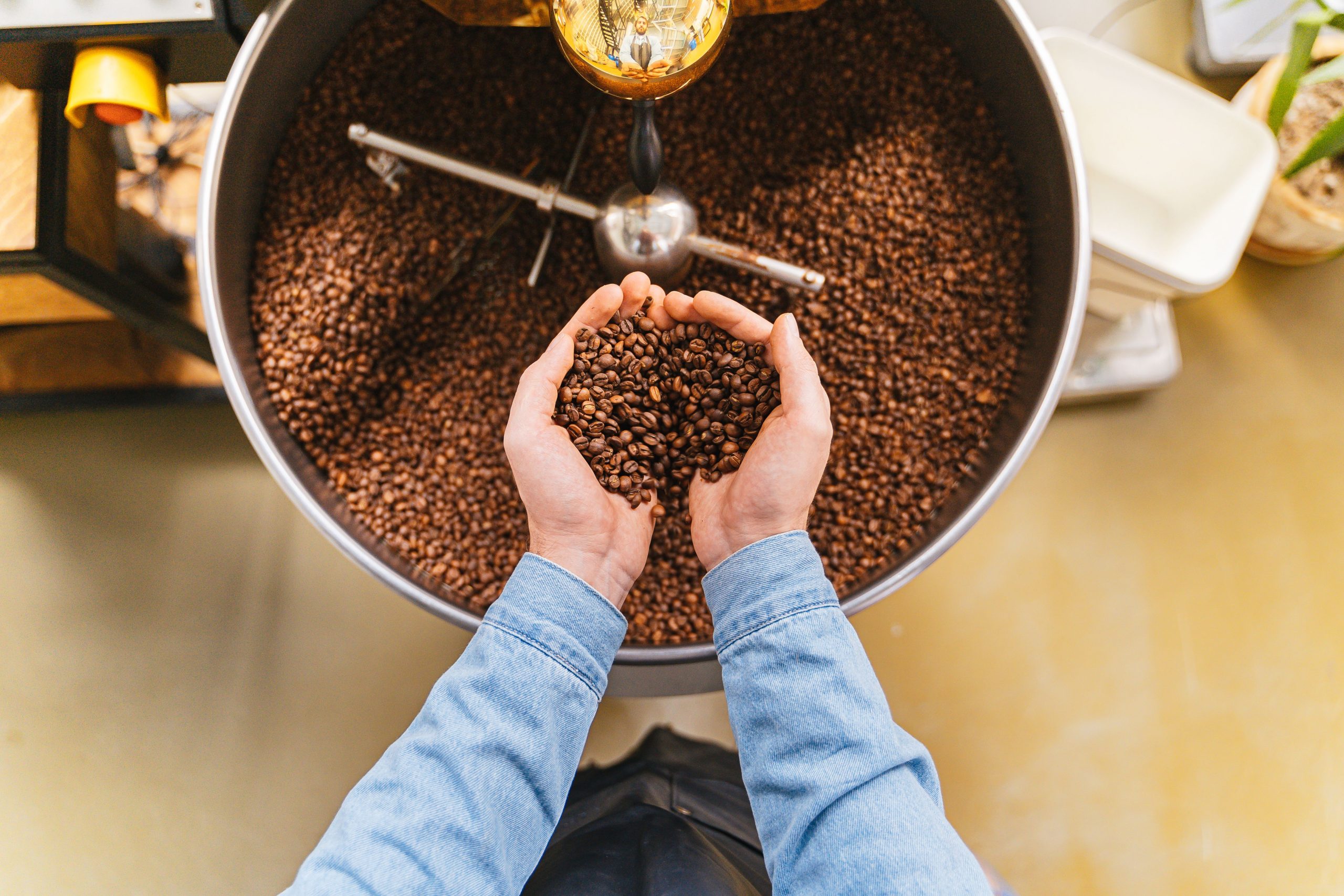
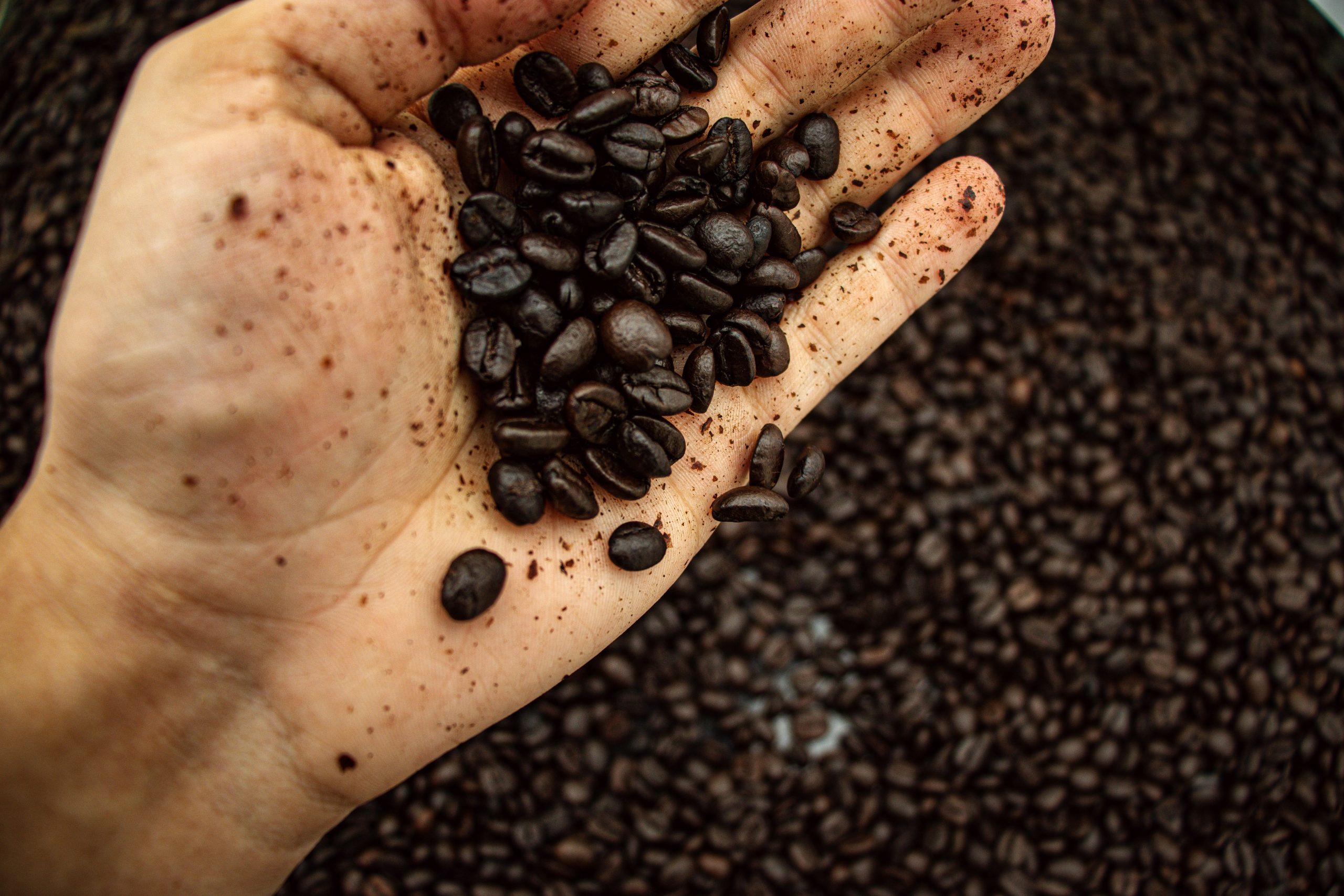
Not all coffee beans weigh the same amount for a given volume. Darker roasts lose more moisture and mass during roasting and become more porous, so they’re lighter and less dense than lighter roasts. That means a scoop of dark roast beans can weigh noticeably less than the same scoop filled with a lighter roast, even though both scoops look identical.
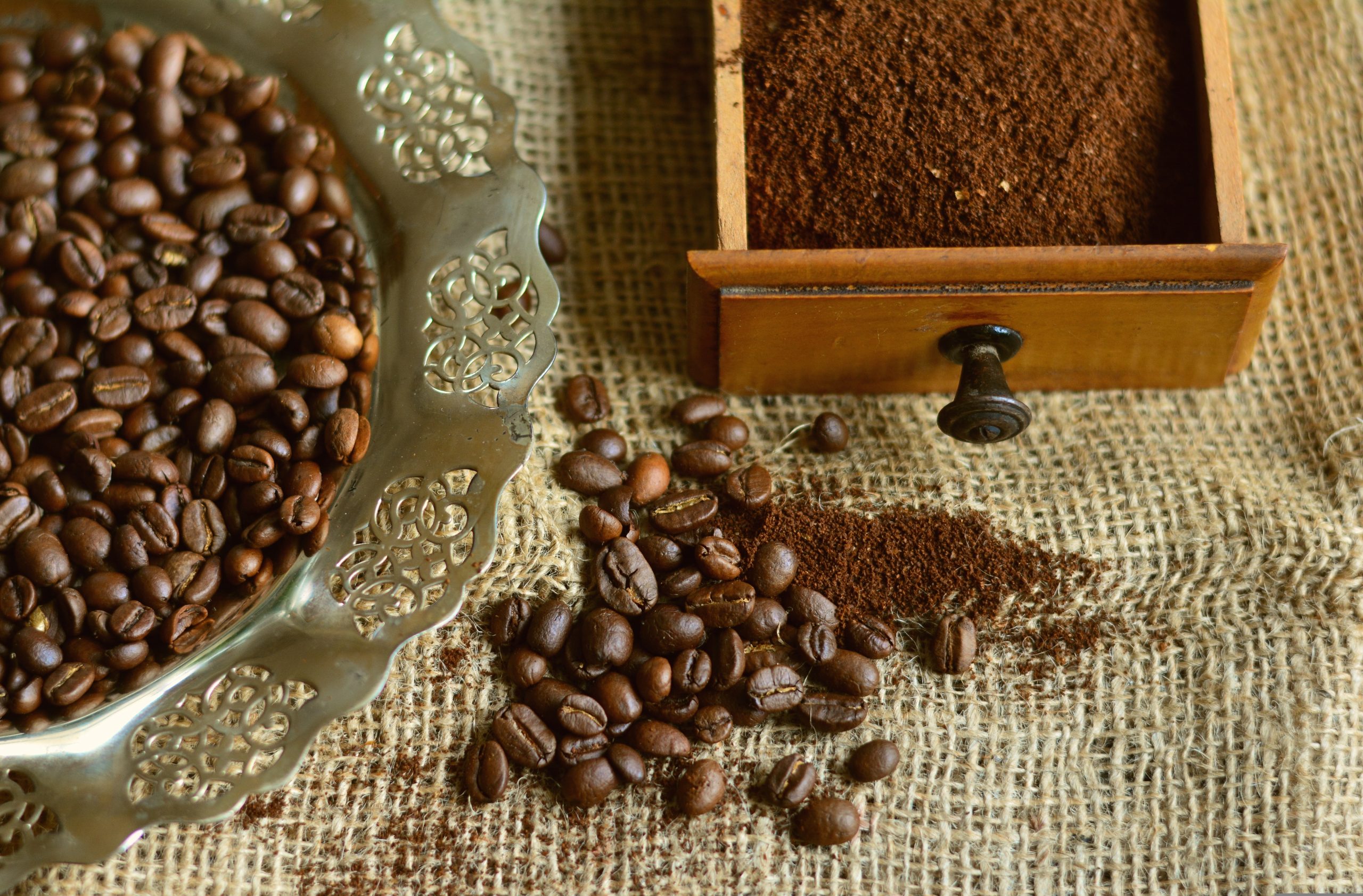
Grind size adds another layer. Finely ground coffee packs into a scoop differently than coarsely ground coffee, since smaller particles fill gaps that larger particles leave open. A scoop of finely ground coffee often weighs more than the same scoop of coarsely ground coffee from the same beans, simply because more material fits into the same space.
Why a “Level Scoop” Varies From Bag to Bag
Even with beans that look similar, small differences in bean size, moisture content, and how tightly the coffee is packed into the scoop all shift the final weight. A “level scoop” isn’t a fixed unit – it’s an estimate that depends on the specific beans in front of you that day.
This is why weighing coffee vs. scooping it produces different results even when you’re trying to be consistent. You can scoop carefully and still end up with a meaningfully different amount of coffee from one bag to the next, or even from the top of a bag to the bottom.
How Small Measuring Differences Shift the Ratio
A few grams might not sound like much, but in a typical pour over using around 20 grams of coffee, a swing of even 2–3 grams changes the ratio by 10% or more. That’s enough to shift a cup from balanced to noticeably weak or noticeably strong.
Multiply that variation across every cup you brew, and it becomes clear why two mornings with “the same scoop” can taste different. The scoop wasn’t actually the same – the coffee just looked similar.
What Weighing Coffee Actually Changes in the Cup
Consistency Between Brews
Once you weigh both coffee and water, the ratio stays fixed no matter what beans you’re using or how they were roasted. That consistency is the main practical benefit of using a scale – it removes guesswork from the one variable that has an outsized effect on strength and balance.
The Ability to Dial In and Repeat a Good Result
When you brew a genuinely great cup, you want to know why it worked so you can do it again. If you scooped your coffee, you can’t be sure exactly how much you used, so there’s nothing precise to repeat. If you weighed it, you have an exact number: say, 22 grams of coffee to 360 grams of water. That number is something you can write down and return to any time.
The Ability to Diagnose a Batch That Tasted Off
A scale also works as a troubleshooting tool. If a cup tastes weak, you can check whether your ratio was actually off, rather than guessing. If it was right, the problem is likely somewhere else – grind size, water temperature, or brew time. Without a scale, you’re left ruling out variables you can’t actually confirm.
Coffee-to-Water Ratios
Coffee Scale vs. Scooping: A Side-by-Side Look
| Factor | Coffee Scale | Scooping |
| Consistency | Same weight every time, regardless of bean density or grind size | Varies with roast level, grind size, and bean freshness |
| Precision | Accurate to within a gram or less | Accurate within a wide, unpredictable range |
| Ease of Use | Takes a few extra seconds per brew | Slightly faster, no setup required |
| Ability to Repeat a Result | Exact numbers can be written down and reused | Difficult to reproduce precisely |
| Troubleshooting a Bad Cup | Ratio can be confirmed or ruled out | Ratio remains a guess |
| Learning Curve | Small adjustment to an existing routine | No learning curve |
Scooping isn’t wrong, and plenty of people brew coffee they enjoy without ever weighing a bean. But if you want predictable results and the ability to fix a bad cup instead of just hoping the next one turns out better, weighing coffee closes that gap.
Does Every Brewing Method Need a Scale?
A scale matters more for some methods than others, mainly because some methods are more sensitive to small ratio changes.
Pour over is where a scale earns its keep the most. Pour over uses a relatively small amount of coffee and water, so small measuring errors have an outsized effect on the final ratio. Most specialty coffee guidance, including recommendations from the Specialty Coffee Association, points to weighing both coffee and water for pour over methods to get consistent, repeatable results.
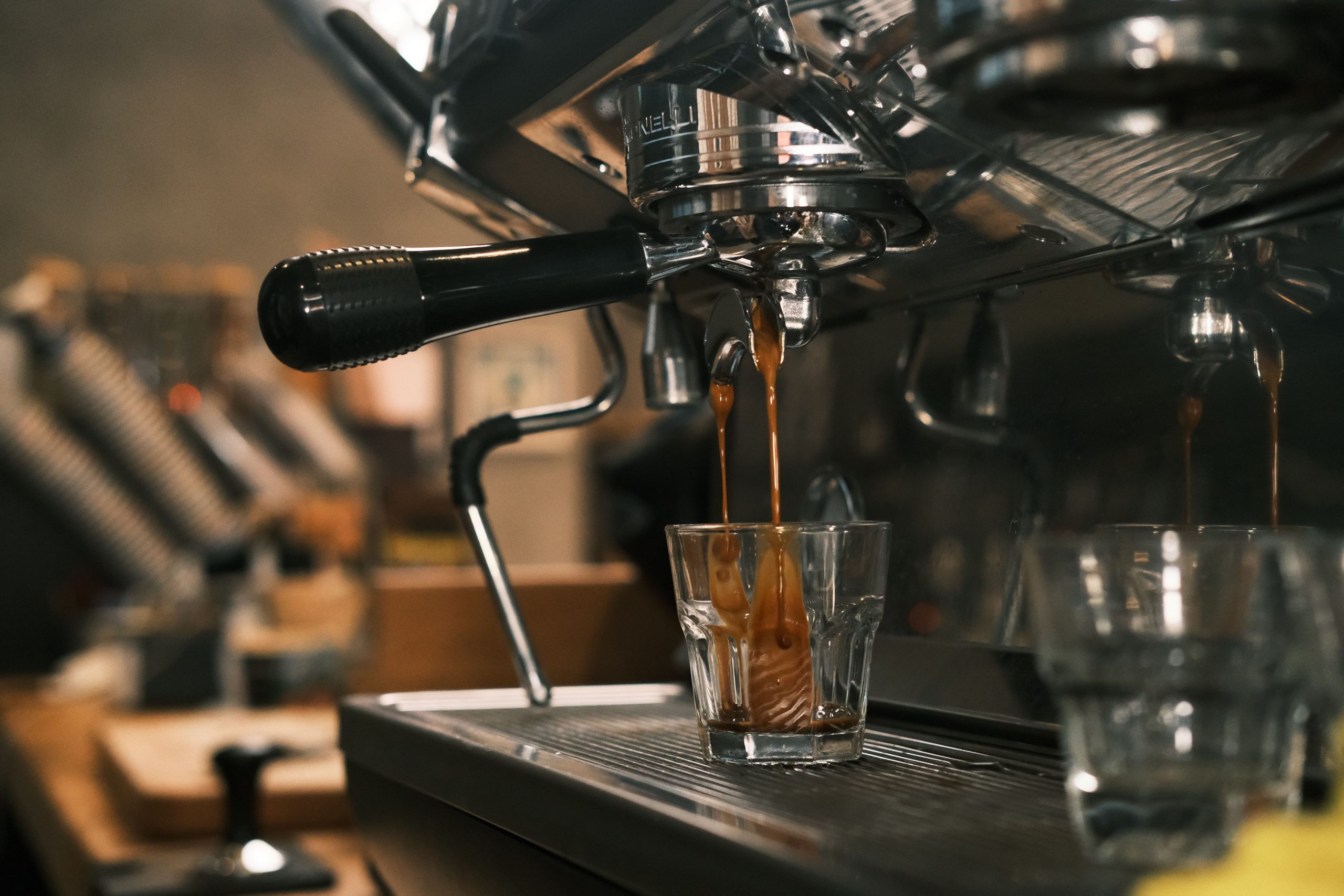
Espresso also benefits heavily from a scale, since espresso ratios are typically discussed in precise terms, such as an 18-gram dose producing a 36-gram shot. Espresso happens fast and uses very little coffee relative to other methods, so small measuring differences show up quickly in the cup.
AeroPress sits in the middle. Recipes vary widely, but weighing coffee still helps you repeat a recipe you like, especially since AeroPress uses a relatively small, concentrated amount of coffee.
French press and drip coffee machines are more forgiving. Larger batches mean small measuring errors make up a smaller percentage of the total ratio, so a slightly heaping or slightly light scoop matters less than it would in a smaller pour over brew. A scale still helps, but it’s less critical here than with pour over or espresso.
If you only brew one way and it’s a French press or a drip machine with a built-in reservoir, scooping carefully might serve you fine. If you’re brewing pour over or espresso and chasing consistency, a scale is close to essential.
How to Start Weighing Your Coffee
- Get a scale that measures in grams and reads to at least 0.1-gram precision for espresso, or whole grams for other methods. You don’t need anything elaborate – accuracy matters more than extra features.
- Pick a starting ratio. A common starting point for pour over is around 1:16 (one gram of coffee for every 16 grams of water). Espresso typically starts closer to 1:2.
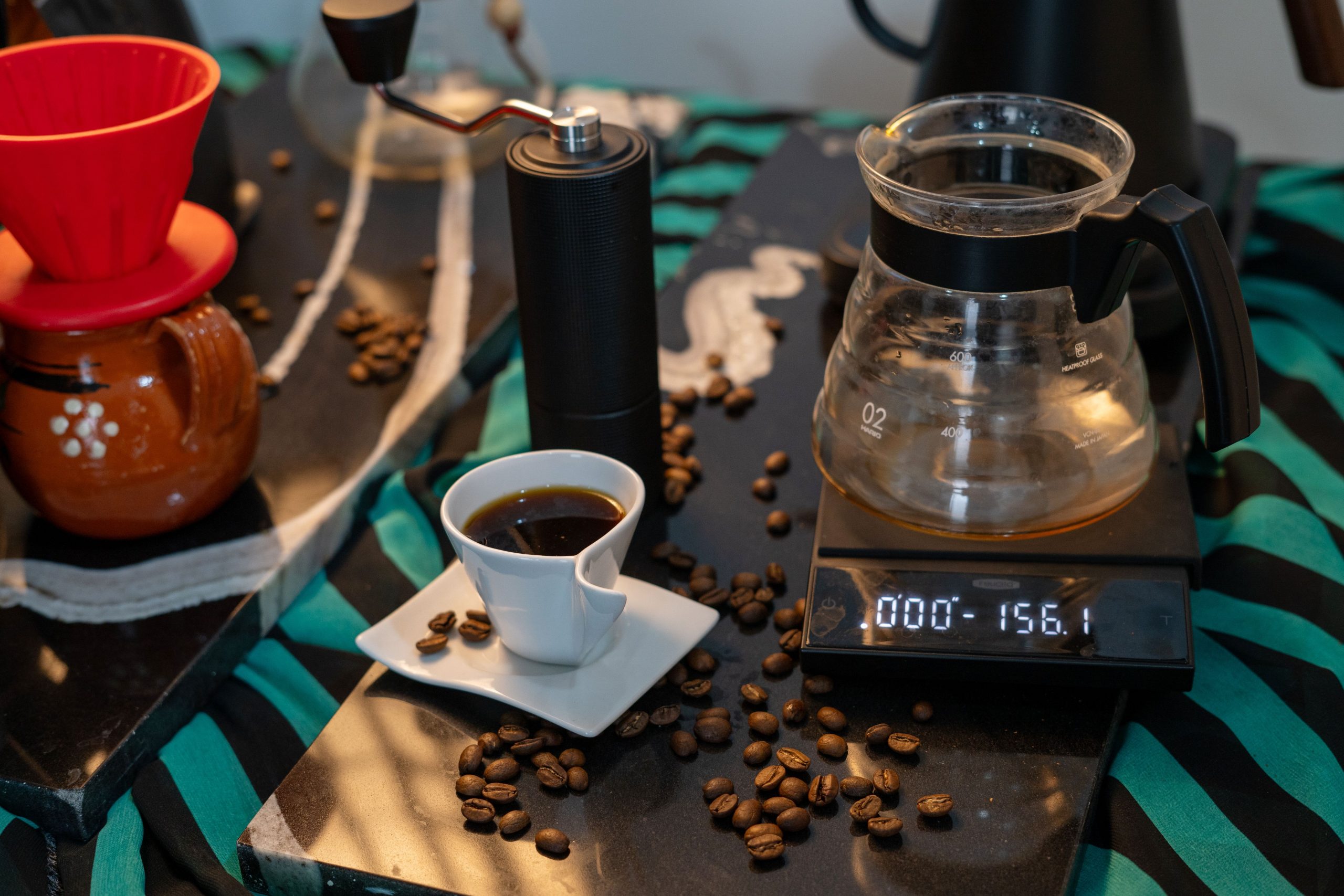
- Weigh your coffee first, then weigh your water as you pour. Placing your brewer on the scale and taring it to zero before pouring makes this simple.
- Brew and taste. Note whether the cup feels balanced, weak, or too strong.
- Adjust the ratio slightly, not the whole recipe, next time. If the cup tasted weak, use slightly more coffee or slightly less water next time. If it tasted too strong, do the opposite.
- Write down what works. Once you land on a ratio you like for a specific bean and brew method, keep a note of it so you can return to that exact setup.
Quick tip: Start by weighing just the coffee, even if you’re not ready to weigh the water yet. Fixing the coffee side of the ratio alone already removes a major source of inconsistency.
A Café do Paraíso Precision Coffee Scale with a built-in timer makes this process easier, since it lets you track both weight and brew time on one device instead of juggling a separate timer.
Common Mistakes People Make When Measuring Coffee
- Assuming a scoop is a fixed unit. It isn’t – roast level, grind size, and bean freshness all change how much coffee fits in the same scoop.
- Weighing coffee but eyeballing water. Water is part of the ratio too. Weighing only one half of the equation still leaves room for inconsistency.
- Using a kitchen scale that isn’t precise enough. A scale that rounds to the nearest 5 or 10 grams won’t catch the small differences that matter for pour over or espresso.
- Changing the ratio and the grind size at the same time. This makes it hard to tell which adjustment actually fixed a bad-tasting cup.
- Giving up after one bad measurement. A single off cup doesn’t mean weighing coffee doesn’t work – it usually just means the ratio needs a small adjustment, not a return to scooping.
- Overcomplicating the process. You don’t need to weigh coffee to the tenth of a gram for a French press. Match your precision to the brewing method.
Frequently Asked Questions
Does a coffee scale actually improve coffee flavor?
Indirectly, yes. A scale doesn’t add flavor on its own, but it keeps your coffee-to-water ratio consistent, which is one of the biggest factors in whether a cup tastes balanced, weak, or overly strong.
Why do baristas weigh coffee instead of scooping it?
Baristas weigh coffee because volume measurements vary with roast level, grind size, and bean density, while weight stays accurate regardless of those factors. Weighing lets them repeat a good result reliably, shift after shift.
Can I get consistently good coffee without a scale?
It’s possible, especially with brewing methods that use larger batches, like French press or drip machines, where small measuring differences matter less. It’s harder with pour over or espresso, where the ratio is more sensitive to small changes.
Do I need a scale for every brewing method?
Not necessarily. A scale matters most for pour over and espresso, where small ratio errors have a bigger impact. It’s less critical for French press or standard drip machines, though it still helps.
What kind of scale do I need for coffee, and does it need to be precise?
A scale that measures in grams is enough for most brewing. For espresso, look for one that reads to at least 0.1-gram precision, since espresso ratios are far more sensitive to small changes than larger-batch methods.
Does weighing coffee help with water too, or just the grounds?
Both. The coffee-to-water ratio depends on accurately measuring each side. Weighing only the coffee still leaves room for inconsistency if the water amount varies.
Is a coffee scale worth the cost for a home brewer?
For most home brewers who want consistent results and the ability to repeat a good cup, yes. A basic gram scale is inexpensive relative to the beans, water, and time spent brewing coffee that doesn’t turn out the way you expect.
How do I start using a scale if I’ve always scooped my coffee?
Start small. Weigh just your coffee for a week using your usual scoop as a rough guide, then start weighing water too once that feels normal. There’s no need to switch your entire routine overnight.
Final Thoughts
Does a coffee scale make a difference? The honest answer is that it removes a source of variation most people don’t realize is there. Scooping isn’t a mistake, but it’s an estimate, and that estimate shifts with roast level, grind size, and bean freshness in ways that are easy to miss and hard to correct without a fixed number to work from.
A scale gives you that fixed number. It turns “about a scoop” into an exact ratio you can repeat, adjust, and troubleshoot with confidence. If you’ve been chasing a cup that tastes the same every time, weighing your coffee is one of the simplest changes that actually delivers on that.