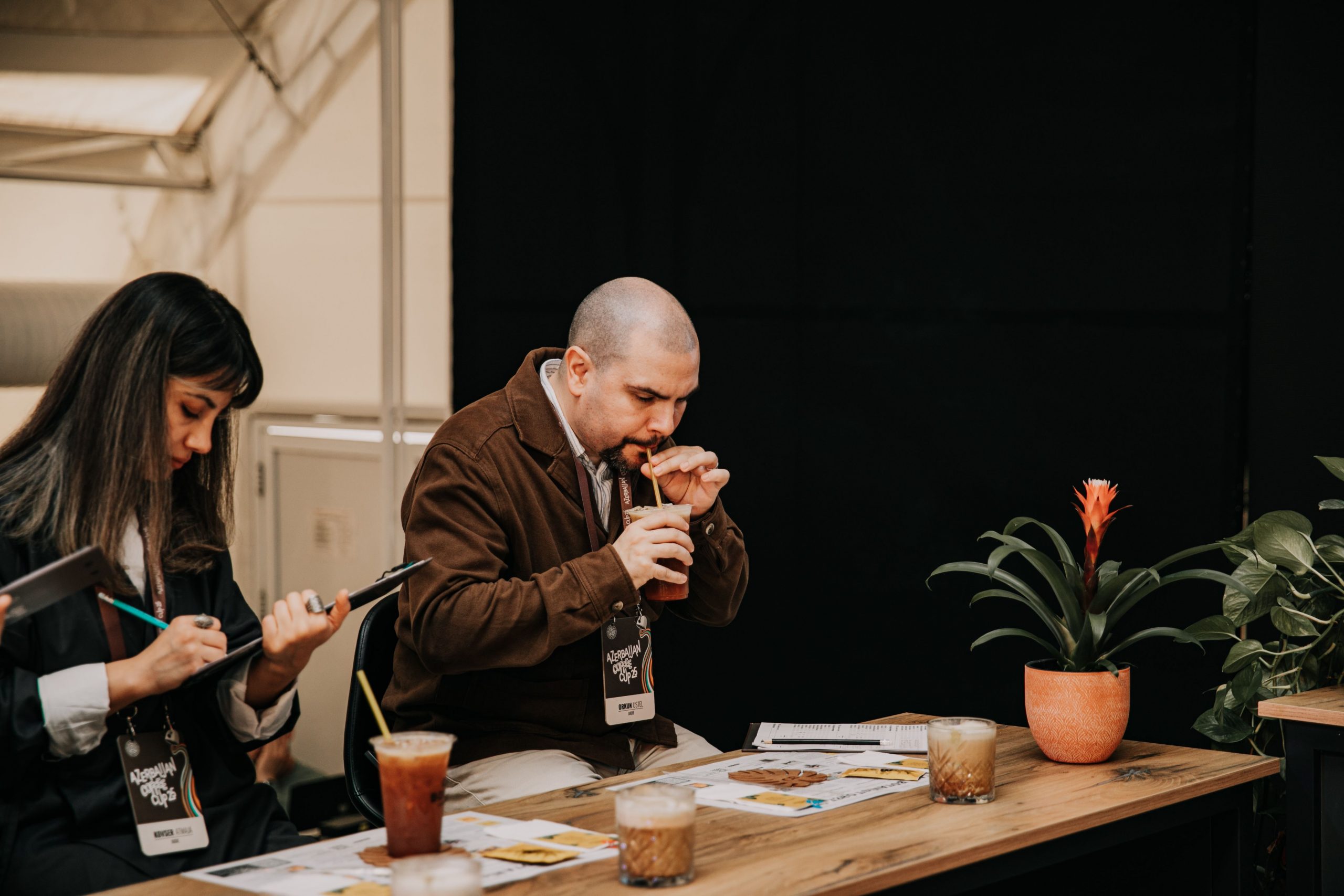
You brewed your coffee, took a sip, and something felt off. Not bitter, not weak, just sharp and a little unpleasant, almost like biting into unripe fruit. If you’re asking why is my coffee sour, the answer almost always comes down to one thing: under-extraction. The coffee didn’t have enough time or heat to pull out the sugars and body that normally balance out its natural acids.
The good news is that sour coffee is one of the easiest brewing problems to fix once you know what’s causing it. Let’s go through why it happens and exactly how to correct it.
Why Is My Coffee Sour?
Sour coffee almost always means under-extraction. During brewing, water pulls a series of compounds out of ground coffee in a fairly predictable order: acids come out first, followed by sugars, and finally the heavier, more bitter compounds. When brewing stops too early, or the water simply isn’t pulling enough out of the grounds, you’re left with a cup that’s heavy on sharp acids and light on the sweetness and body that would normally round them out.
That imbalance is what tastes sour. It’s not that something went wrong with the beans themselves in most cases. It’s that the brewing process didn’t finish the job.
Sourness vs. Acidity: Knowing the Difference
This is where a lot of confusion starts, especially for people newer to specialty coffee. Acidity and sourness sound similar, but they describe very different experiences in the cup.
Acidity as a desirable tasting note. In coffee tasting, acidity refers to a bright, lively quality, often described using comparisons like citrus, berry, or wine-like notes. Good acidity feels crisp and adds complexity, similar to how a squeeze of lemon can brighten a dish without making it taste sour. High-grown, well-processed coffees are often prized specifically for vibrant, pleasant acidity.
Sourness as a defect. Sourness, on the other hand, tastes sharp, thin, and unbalanced. Instead of adding brightness, it dominates the cup in an unpleasant way, often described as tasting like vinegar, unripe fruit, or sour candy without any of the sweetness to back it up.
Why beginners often mix them up. Both sensations register on the tongue as “sharp” or “tangy,” which makes them easy to confuse, especially for people used to darker, less acidic coffee. The real difference is balance: pleasant acidity is one bright note among sweetness, body, and aroma, while sourness shows up alone, with nothing to soften it.
Acidity Explained
The Main Cause: Under-Extraction
To understand sour coffee, it helps to understand coffee extraction itself.
What extraction means. Extraction is the process of dissolving flavor compounds out of ground coffee using hot water. Different compounds dissolve at different rates and in a fairly consistent order, which is why brew time, temperature, and grind size all directly shape how a cup tastes.
Why under-extraction leaves sourness behind. Acids are among the first compounds to dissolve during brewing. Sugars and the deeper, rounder flavors that create body and sweetness take longer to extract. If brewing is cut short, whether from a coarse grind, low water temperature, or a rushed brew time, you end up with plenty of acid and not enough of everything else needed to balance it. The result tastes sour rather than bright.
How this differs from over-extraction. Over-extraction is the opposite problem: brewing too long, too hot, or too fine pulls out excessive bitter compounds, leaving a harsh, ashy, overly bitter cup. Sour coffee and bitter coffee sit on opposite ends of the same extraction spectrum, with a well-balanced cup landing somewhere in the middle.
Coffee Defects
Common Reasons Coffee Turns Out Sour
Several specific brewing variables can push a cup toward under-extraction and sourness.
Grind Size Too Coarse
A coarse grind reduces the surface area of coffee exposed to water, which limits how much can be extracted in a given brew time. Water passes through coarser grounds more quickly, spending less time in contact with the coffee, which often leaves extraction incomplete.
Water Temperature Too Low
Extraction depends heavily on heat. Water that’s too cool struggles to dissolve sugars and heavier flavor compounds efficiently, even if brew time and grind size are otherwise correct. The Specialty Coffee Association generally recommends brewing within a narrow, fairly hot temperature range for this reason, since falling below it consistently under-extracts coffee.
Brew Time Too Short
Even with the right grind and temperature, cutting the brew short prevents the process from finishing. Acids extract quickly, but sugars and body need more time, so a rushed brew captures the sharp notes without the balance that should follow.
Incorrect Coffee-to-Water Ratio
Using too little coffee for the amount of water dilutes the brew and can leave it under-extracted, since there isn’t enough coffee mass to properly saturate and extract from. Getting the coffee-to-water ratio right is one of the most reliable ways to keep extraction consistent.
Under-Roasted Beans
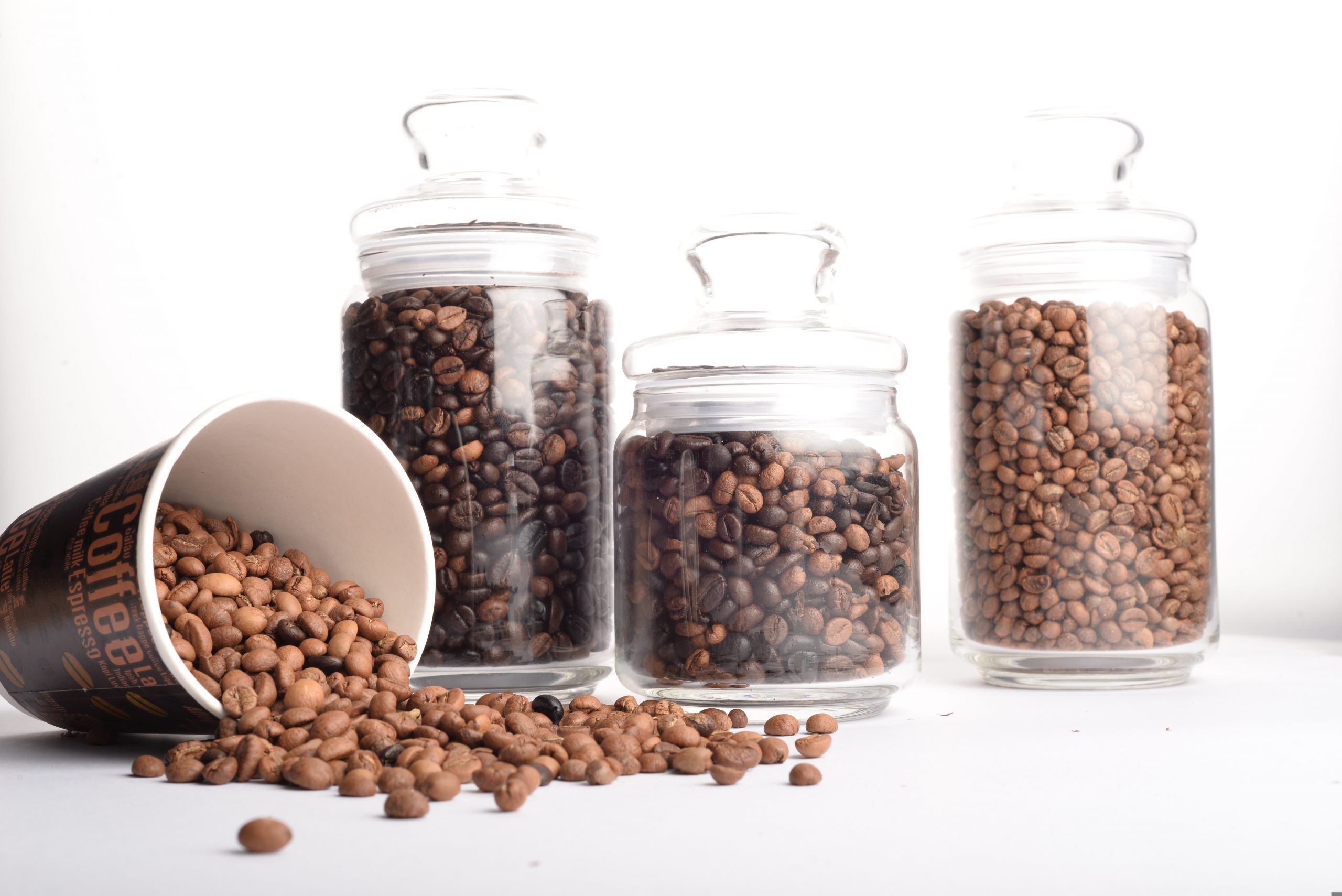
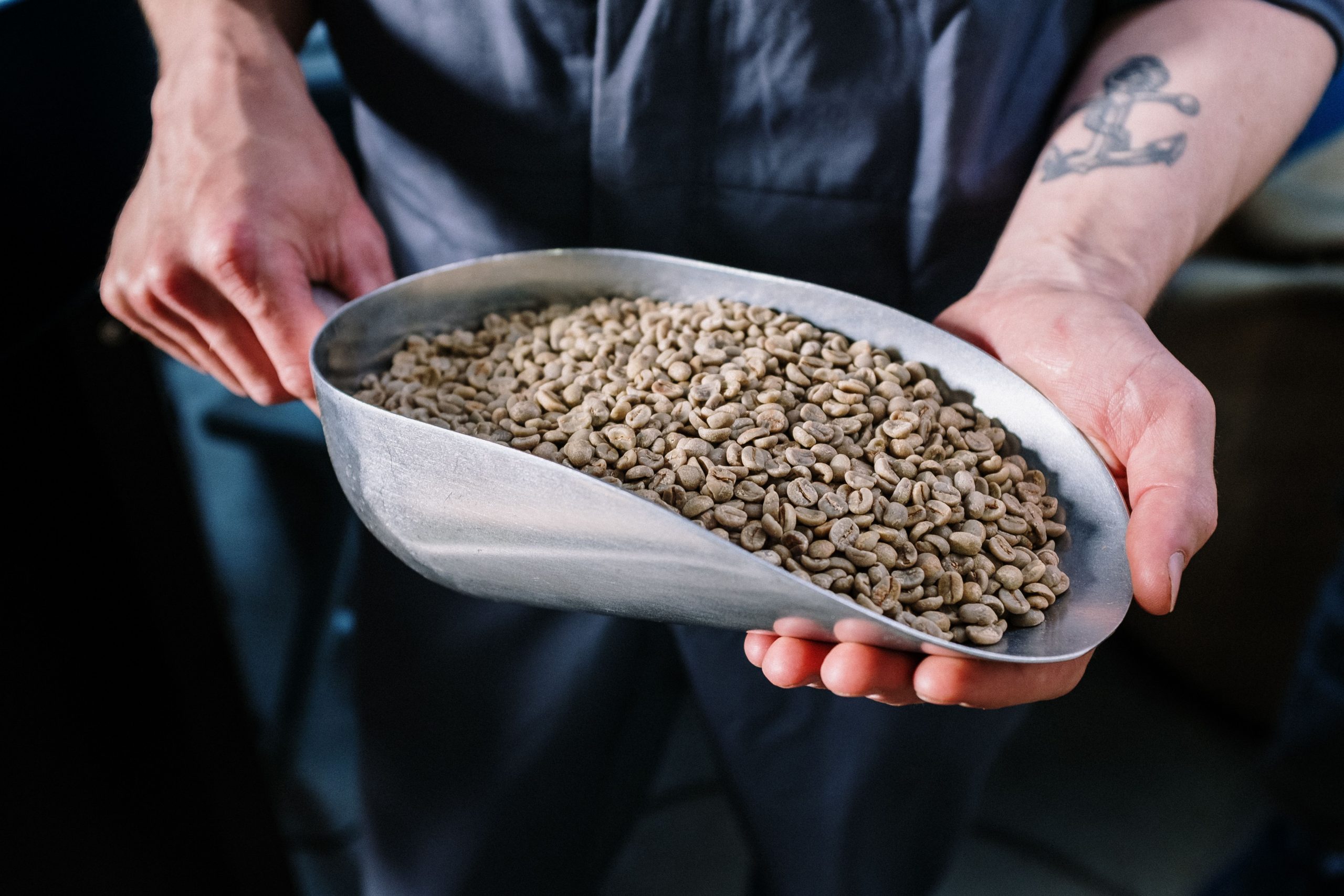
Beans that are light or under-developed, meaning they were pulled off the roaster before enough sugar development occurred, can carry more pronounced, harder-to-balance sourness regardless of how carefully they’re brewed. This is different from the pleasant acidity found in a well-developed light roast, which is roasted fully even if roasted for a shorter time overall.
Uneven Extraction or Channeling (Espresso-Specific)
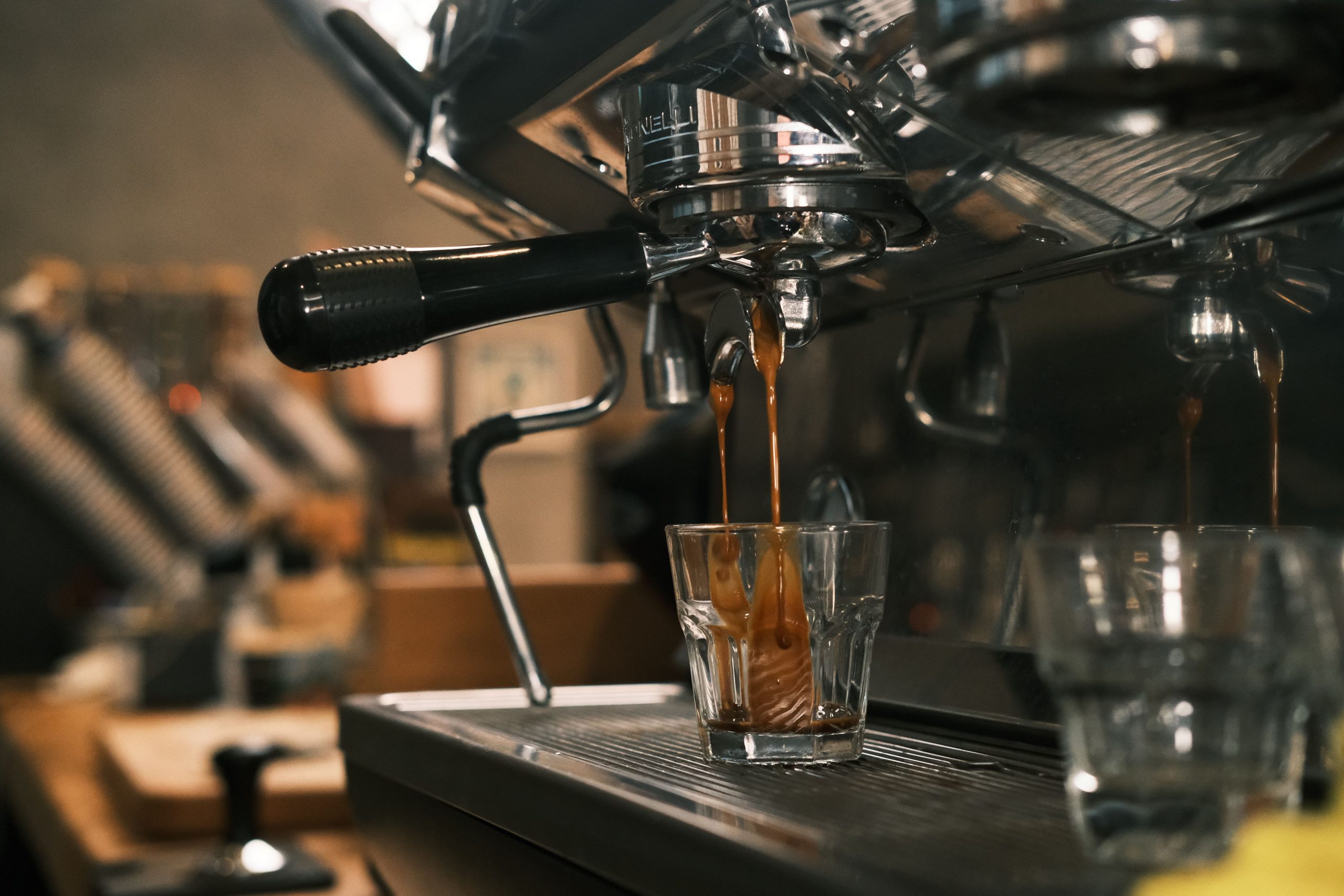
In espresso, water needs to move evenly through a tightly packed puck of coffee. Uneven tamping, an off-center distribution, or an inconsistent grind can create channels where water rushes through certain spots while barely touching others. This creates a mix of over- and under-extracted coffee in the same shot, often tasting sour despite a technically sufficient overall brew time.
Water Quality Issues
Water makes up most of your cup, and its mineral content affects how well it extracts flavor. Water that’s too soft, with very low mineral content, doesn’t extract as effectively, which can contribute to a sour, underdeveloped taste even when other variables are dialed in correctly.
| Cause | What It Tastes Like | The Fix |
| Grind too coarse | Sharp, thin, watery | Use a finer grind setting |
| Water temperature too low | Flat, sour, underdeveloped | Brew closer to the recommended temperature range |
| Brew time too short | Sour, lacking sweetness | Extend contact time between water and coffee |
| Coffee-to-water ratio too low | Weak and sour at once | Increase the amount of coffee used |
| Under-roasted beans | Sharp sourness regardless of brew method | Choose a more developed roast level |
| Channeling in espresso | Uneven, sour in some sips, harsh in others | Improve puck prep and tamping consistency |
| Poor water quality | Dull, sour, underextracted | Use filtered water with balanced mineral content |
How to Fix Sour Coffee
If your coffee consistently tastes sour, work through these adjustments one at a time so you can tell what actually made the difference.
- Grind finer. A finer grind increases surface area and slows water flow, giving extraction more time to develop.
- Increase water temperature. Aim for water just off the boil, generally in the range recommended by the Specialty Coffee Association, rather than water that’s only lukewarm.
- Extend brew time. Give the water more contact time with the grounds, whether that means a slower pour-over pour or a longer steep.
- Adjust the coffee-to-water ratio. Try using slightly more coffee relative to your water volume, and keep the ratio consistent so you can compare results.
- Check roast date and roast level. Very fresh, gassy beans and under-developed light roasts can both contribute to sourness. If sourness keeps showing up no matter what you adjust, the beans themselves may be part of the issue.
Quick tip: Change one variable at a time. If you adjust grind size, water temperature, and ratio all at once, you won’t know which change actually fixed the problem.
If you’ve worked through these adjustments and sourness is still showing up more than you’d like, Café do Paraíso Medium Roast offers a more developed, forgiving profile that tends to extract with a wider margin for error than very light roasts. And since freshness plays a role in how predictably beans extract, Café do Paraíso freshly roasted beans gives you a more consistent starting point, since very old or very recently roasted beans can both behave a little differently during brewing.
Is Sour Coffee Safe to Drink?
Sourness caused by under-extraction is a taste issue, not a safety issue. It simply means the brew didn’t pull out enough of the compounds needed to balance the natural acids in the coffee, and it won’t cause any harm to drink.
That said, it’s worth distinguishing this from actual spoilage. Coffee that tastes sour along with a musty, moldy, or distinctly off smell, especially from beans that were stored poorly or kept far past their useful shelf life, is a different situation and worth discarding rather than adjusting your brew method around. Under-extraction sourness tastes sharp and thin; spoilage tends to smell wrong before it even reaches your cup.
Quick Tips for Consistently Balanced Coffee
- Weigh both your coffee and water for a consistent coffee-to-water ratio every time
- Use a thermometer or a kettle with temperature control to stay within the ideal brewing range
- Time your brews so you can identify when extraction is being cut short
- Keep your grinder consistent and check for stale burrs, which can affect grind uniformity
- Taste as you adjust, changing only one variable between brews
Frequently Asked Questions
Why does my coffee taste sour?
Most sour coffee comes from under-extraction, meaning the brewing process didn’t pull enough sugar and body out of the grounds to balance the natural acids in the coffee.
What is the difference between pleasant acidity and unwanted sourness?
Acidity is a bright, balanced tasting note, often compared to citrus or berries, that adds complexity alongside sweetness and body. Sourness is sharp and unbalanced, with no sweetness to soften it.
Is sour coffee the same as under-extracted coffee?
Yes, in most cases. Sourness is the primary flavor signal of under-extraction, caused by acids extracting before sugars and body have a chance to develop.
Does grind size affect sourness?
Yes. A grind that’s too coarse reduces contact time between water and coffee, often leading to under-extraction and a sour taste.
Does brew time or water temperature cause sour coffee?
Both can. Water that’s too cool or a brew that’s cut short can each prevent full extraction, leaving sour, sharp flavors dominant.
Does the coffee-to-water ratio matter?
Yes. Too little coffee relative to water can lead to a weak, under-extracted, sour-tasting cup, even if grind size and temperature are correct.
Can stale or under-roasted beans cause sourness?
Yes. Under-developed light roasts can carry more pronounced sourness regardless of brewing technique, and beans that are extremely fresh or past their prime can also extract unpredictably.
Can bad water quality cause sour-tasting coffee?
Yes. Water with very low mineral content doesn’t extract flavor as effectively, which can contribute to a sour, underdeveloped cup even with good technique otherwise.
Final Thoughts
If you’ve been asking why is my coffee sour, the explanation is usually straightforward: something in the brewing process, whether grind size, water temperature, brew time, ratio, or roast development, cut extraction short. Sourness isn’t a flaw in the beans themselves most of the time. It’s a sign the brew didn’t finish pulling out the sweetness and body that should balance the coffee’s natural acidity.
Work through the adjustments one at a time, keep your ratio and temperature consistent, and pay attention to roast date and roast level if the problem persists. With a few small changes, that sharp, unbalanced cup can turn into the bright, well-rounded coffee it was meant to be.