If you’ve ever picked a lighter roast because you heard it has more caffeine, or reached for a dark roast thinking it would wake you up faster because it tastes stronger, you’re not alone. It’s one of the most repeated claims in coffee, and it’s mostly a myth built on a half-truth. So, does dark roast coffee have less caffeine than light roast? Not in any way that matters to how you actually measure and brew your coffee.
The real answer depends less on roast level and more on how you scoop your beans. Let’s break down exactly why.
Does Dark Roast Coffee Have Less Caffeine?
Gram for gram, dark roast and light roast coffee contain roughly the same amount of caffeine. Caffeine is a heat-stable compound, and roasting temperatures aren’t high enough to meaningfully break it down. The small amount of caffeine that’s lost during roasting is fairly consistent across roast levels, so it isn’t the reason dark roast tastes bolder or “stronger.”
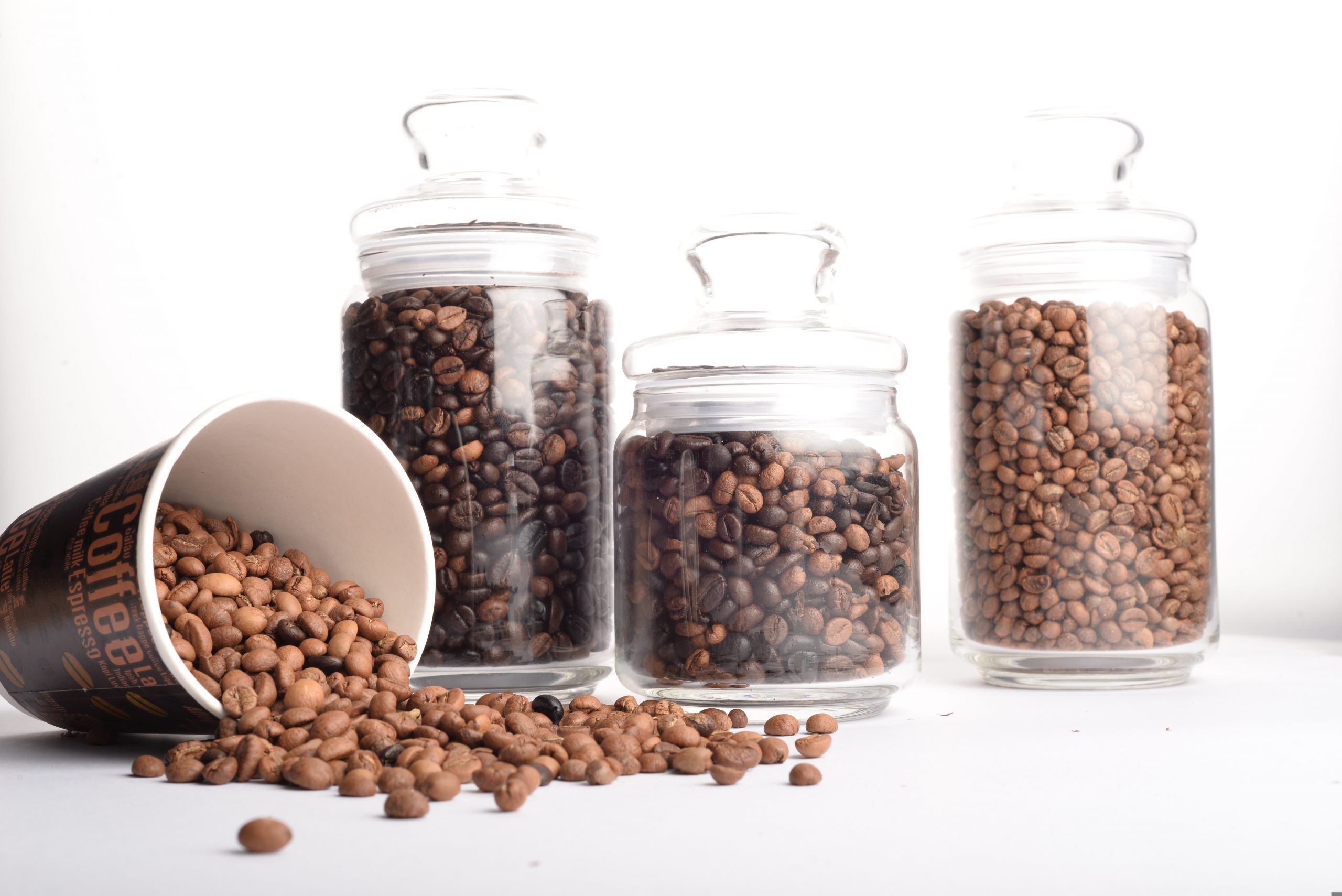
The myth comes from a different, very real fact: dark roast beans are less dense than light roast beans. If you’re measuring coffee by scoop or volume rather than by weight, a scoop of dark roast beans will actually contain slightly less coffee – and therefore slightly less caffeine – than the same scoop of light roast beans. It’s not the roast level changing the caffeine. It’s the measuring method.
Where This Myth Comes From
The idea that dark roast has less caffeine sounds logical on the surface. Dark roast beans are roasted longer and at higher temperatures, so it seems reasonable to assume that some of the caffeine gets “burned off” along the way.
This assumption misses two things. First, caffeine is remarkably resistant to heat compared to other compounds in the bean, so extended roasting doesn’t strip it out the way people imagine. Second, the flavor of dark roast is bold, smoky, and intense, which creates a strong association with “more caffeine,” even though flavor intensity and caffeine content are not the same thing. A bitter, heavy-tasting cup feels like it should hit harder, but taste and stimulant content come from different parts of the bean’s chemistry.
What Roasting Actually Does to Caffeine
Here’s what’s actually happening chemically during the coffee roasting process, explained simply.
Caffeine is a stable compound. Caffeine has a high melting point and doesn’t break down easily under typical roasting temperatures. Research on roasting and caffeine consistently shows that caffeine loss during roasting is minimal and fairly similar whether beans are roasted light or dark.
The small percentage lost is roughly similar across roast levels. Any caffeine reduction that does occur happens gradually and doesn’t spike dramatically between a light roast and a dark roast. In practical terms, the difference is too small to notice in your body’s response to a cup of coffee.
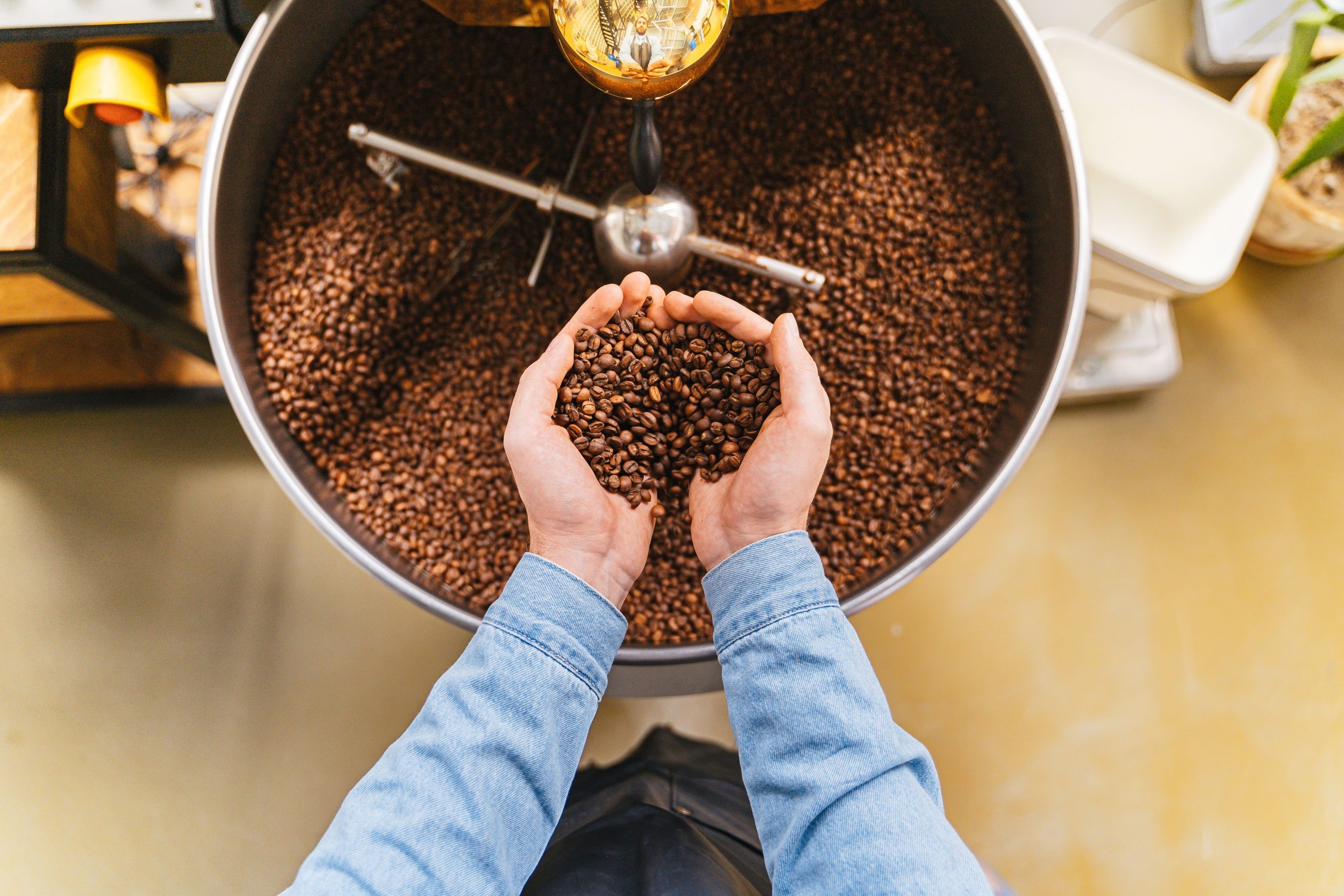
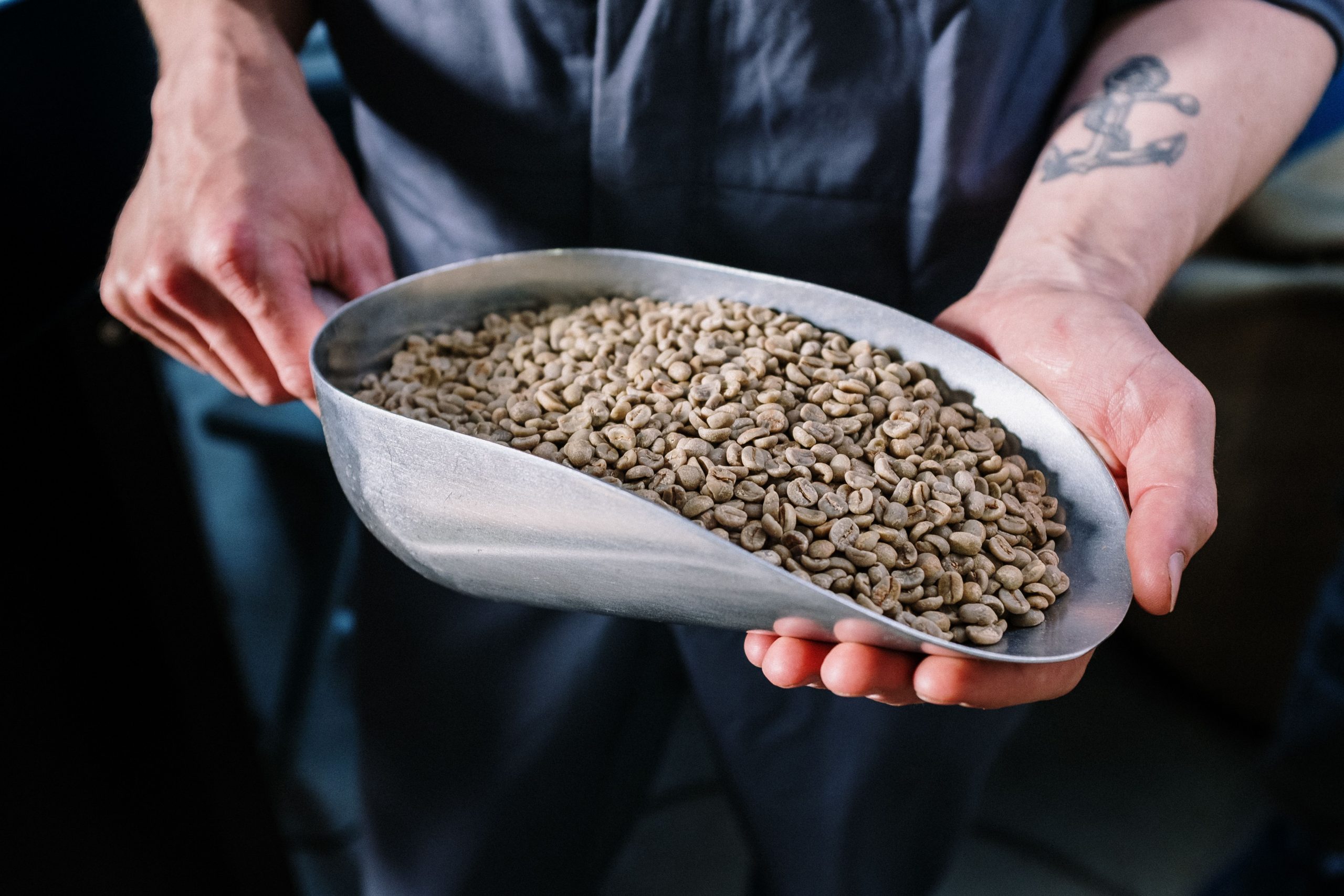
What actually changes is bean density, moisture, and volume, not caffeine content. Roasting drives moisture out of the bean and causes it to expand. Longer, hotter roasts lose more moisture and puff up more, which is why dark roast beans look larger and feel lighter than light roast beans of the same origin. This is the real mechanism behind the myth, and it has nothing to do with caffeine actually leaving the bean.
Roast Level and Bean Density: The Real Factor
This is the part that actually matters if you care about your caffeine intake.
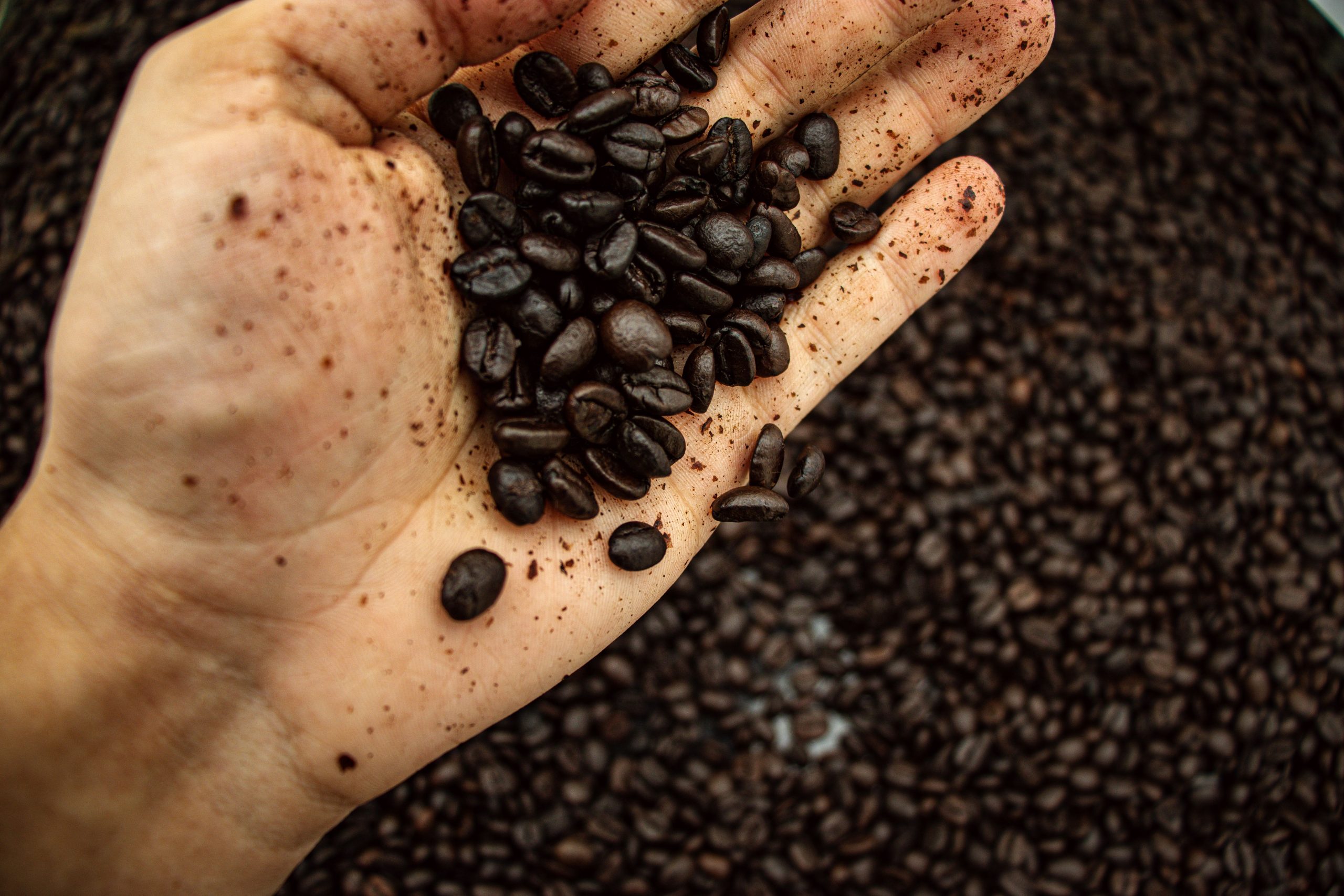
As beans roast longer, they lose more water weight and their internal structure becomes more porous, causing them to expand in size. A dark roast bean is bigger and lighter than a light roast bean from the same batch of green coffee, even though it started out identical.
This matters because of how most people measure coffee at home: by the scoop. A standard scoop measures volume, not weight. Since dark roast beans are less dense, more air fits between and inside the beans, meaning a scoop holds fewer actual grams of coffee. Fewer grams of coffee means slightly less caffeine in that scoop, purely because there’s less coffee mass, not because the roast level destroyed caffeine.
If you weigh your beans instead of scooping them, this entire effect disappears. Equal weight means roughly equal caffeine, regardless of roast level.
| Roast Level | Bean Density | Caffeine by Weight (grams) | Caffeine by Scoop (volume) |
| Light roast | Denser, more compact | Roughly equal to other roasts | Slightly more per scoop |
| Medium roast | Moderately dense | Roughly equal to other roasts | Slightly less than light roast per scoop |
| Dark roast | Less dense, more expanded | Roughly equal to other roasts | Noticeably less than light roast per scoop |
Quick tip: If consistent caffeine intake matters to you, use a kitchen scale instead of a scoop. Weighing your coffee removes the density variable entirely and gives you a much more reliable cup from day to day. Café do Paraíso Whole Bean Coffee works well for this approach, since weighing whole beans before grinding gives you the most accurate measurement.
Does Brewing Method Change the Caffeine Picture?
Roast level isn’t the only variable that affects the caffeine in your cup. Brewing method plays a bigger practical role than most people expect.
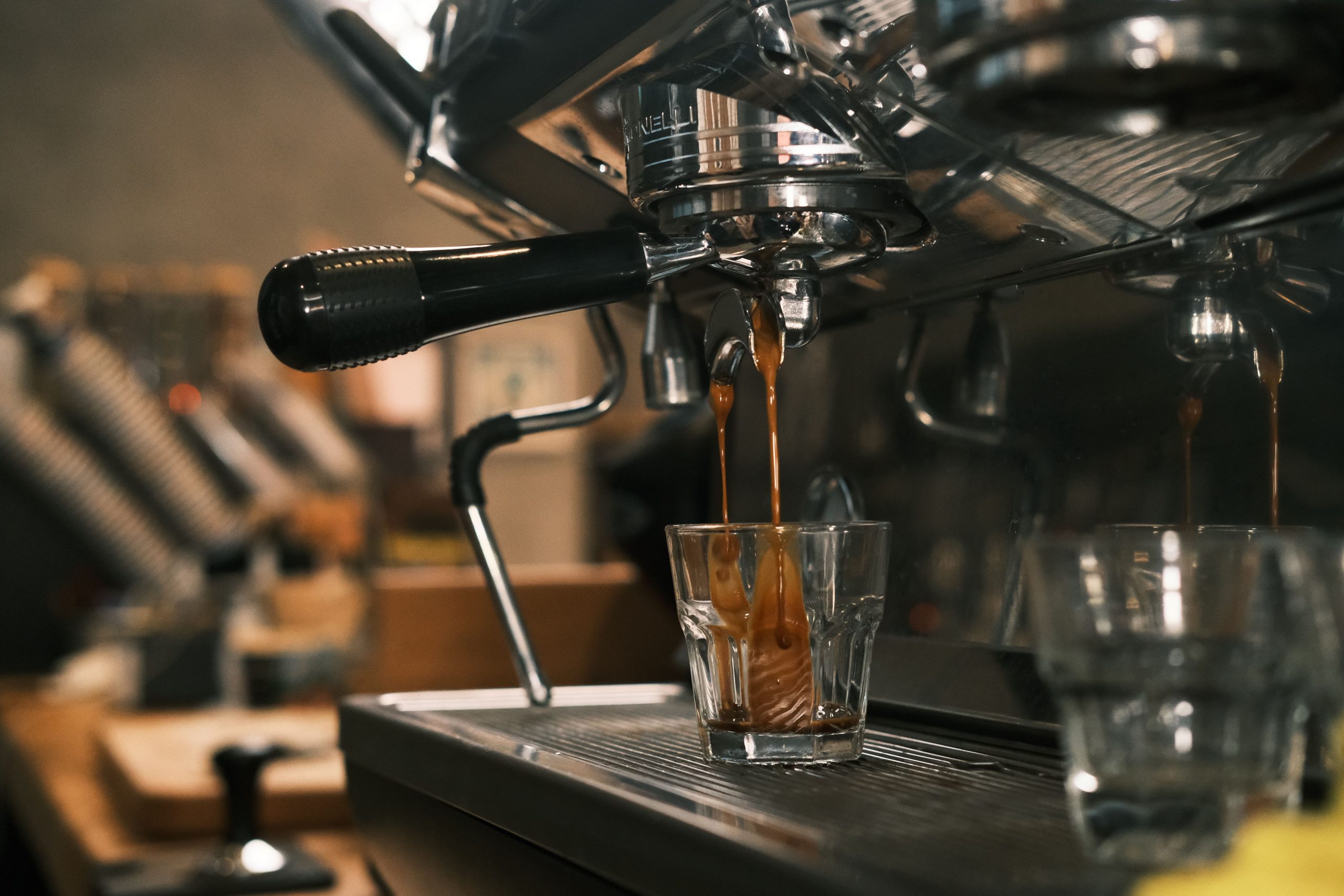
Espresso vs. drip vs. French press. Espresso uses a small amount of water pushed through finely ground, densely packed coffee, delivering a concentrated shot with a high caffeine content per ounce. Drip coffee and French press use more water and looser coffee beds, resulting in a larger serving with more total caffeine per cup, even though each ounce is less concentrated. This means comparing “espresso caffeine” to “drip coffee caffeine” isn’t a simple roast-level question – it’s a serving-size and concentration question.
Grind size, dose, and brew ratio matter more than roast level. How finely you grind, how much coffee you use, and your water-to-coffee ratio all have a far bigger effect on caffeine extraction than whether the beans are light or dark. A finer grind and higher dose pull more caffeine into the cup, regardless of roast level.
A “strong tasting” dark roast is not necessarily higher in caffeine. This is worth repeating because it trips up so many coffee drinkers. Dark roast tastes bolder because of roast-driven flavor compounds like bitterness and smokiness, not because it’s more caffeinated. Is espresso from dark roast stronger in caffeine than drip coffee from light roast? Ounce for ounce, yes, mostly because of the brewing method and concentration, not the roast level itself. But a full cup of drip coffee typically contains more total caffeine than a single espresso shot, simply due to serving size.
Roast Level vs. Coffee Species: What Matters More
If caffeine content is genuinely important to you, coffee species deserves more attention than roast level.
Arabica vs. Robusta caffeine differences. Robusta beans naturally contain roughly double the caffeine of Arabica beans. This is a genetic and species-level difference, not something roasting creates. Most specialty coffee, including what you’ll typically find at a quality roaster, is Arabica, valued for its smoother flavor and lower acidity profile compared to Robusta.
Why species and origin often matter more than roast level. Between two bags of Arabica coffee, roast level will only shift caffeine slightly through the density effect described earlier. But switching from Arabica to Robusta changes caffeine content far more significantly than any roast level ever could. If caffeine strength genuinely drives your coffee choice, checking the species on the bag tells you more than checking whether it’s light or dark roast.
Choosing a Roast Based on Caffeine Needs
Here’s how to think about roast selection if caffeine intake is part of your decision.
- Measure by weight, not volume, for the most consistent caffeine intake from cup to cup
- Choose a lighter roast if you enjoy brighter acidity and more nuanced origin flavors – not because it reliably delivers more caffeine per gram
- Choose a darker roast if you prefer a bolder, heavier, lower-acidity cup – understanding that the “kick” you feel is more about flavor intensity and personal perception than actual caffeine content
- Check the species, since Arabica and Robusta differ far more in caffeine than roast levels do
- Keep your brew ratio consistent so you’re comparing similar cups when judging caffeine strength
If you want a rich, full-bodied cup with lower acidity,Café do Paraíso Dark Roast delivers that bold profile without any real caffeine trade-off compared to lighter roasts, as long as you’re measuring by weight. If you’d rather enjoy brighter, more delicate flavor notes, Café do Paraíso Medium Roast offers a balanced middle ground between the two extremes.
Common Misconceptions About Roast Level and Caffeine
“Dark roast has noticeably less caffeine than light roast.” Only true if you’re measuring by scoop instead of weight. By weight, the difference is minor.
“Roasting burns off most of the caffeine.” Caffeine is heat-stable and mostly survives the roasting process intact, regardless of roast level.
“A stronger-tasting coffee always has more caffeine.” Flavor intensity comes from roast level and brew concentration, not caffeine content specifically. A mild-tasting light roast, brewed at the right ratio, can have just as much caffeine as a bold dark roast.
“Espresso always has more caffeine than drip coffee.” Espresso has more caffeine per ounce, but a standard drip coffee serving is larger and often contains more total caffeine per cup.
Frequently Asked Questions
Does dark roast coffee have less caffeine than light roast?
By weight, no, not meaningfully. By scoop or volume, dark roast beans can deliver slightly less caffeine simply because they’re less dense and a scoop holds fewer grams.
Does roasting destroy caffeine?
Only a small, roughly similar amount is lost across all roast levels. Caffeine is a heat-stable compound and largely survives the roasting process.
Why does this myth exist in the first place?
Because dark roast tastes bolder and more intense, people naturally associate that stronger flavor with more caffeine, even though the two aren’t directly connected.
Does caffeine content depend on roast level or on measurement method?
Mostly on measurement method. Measuring by weight keeps caffeine content consistent across roast levels. Measuring by scoop introduces variation because of differences in bean density.
Do dark roast beans weigh less than light roast beans of the same size?
Yes. Dark roast beans lose more moisture and expand more during roasting, making them larger and less dense than light roast beans from the same green coffee.
Does brewing method change how much caffeine ends up in the cup?
Yes, significantly. Grind size, dose, brew ratio, and serving size all affect caffeine content more than roast level does.
Is espresso from dark roast stronger in caffeine than drip coffee from light roast?
Per ounce, espresso is more concentrated. But a full serving of drip coffee is larger, so it often contains more total caffeine per cup than a single espresso shot.
Does coffee species matter more than roast level for caffeine?
Yes. Robusta beans contain roughly double the caffeine of Arabica beans, which is a far bigger factor than any roast-level difference.
Final Thoughts
So, does dark roast coffee have less caffeine? Gram for gram, not really. The myth exists because of a mix-up between flavor intensity, measuring method, and bean density, not because roasting strips caffeine out of the bean. If caffeine consistency matters to you, weigh your coffee instead of scooping it, and pay closer attention to coffee species and brewing method rather than roast level alone.
Whatever roast you prefer, the most reliable way to know what’s in your cup is to measure by weight and brew consistently. Café do Paraíso roasts both light and dark profiles so you can choose based on flavor, not on caffeine myths.