You measured your coffee, poured hot water over it, and waited. Still, the cup in front of you tastes thin, pale, and more like flavored water than coffee. If you keep asking yourself why is my coffee too weak, you’re not alone, and the good news is that the cause is almost always fixable.
Weak coffee usually comes down to one of a few things: not enough coffee for the amount of water, grounds that are too coarse, water that isn’t hot enough, or a brew time that’s too short. Sometimes it’s a combination of two or three of these at once. Once you understand what’s happening in the brewing process, you can fix it in your very next cup.
This guide walks through every common cause of weak coffee, how to fix each one, the best coffee-to-water ratios for a fuller cup, and brewing tips for the most popular methods. By the end, you’ll know exactly how to make coffee stronger without tipping into bitterness.
Why Your Coffee Is Weak?
Coffee strength comes down to two things working together: how much coffee flavor actually ends up in your cup, and how concentrated that flavor is. When people ask why is my coffee weak, they’re usually running into one of two problems.
The first is a ratio problem. There simply isn’t enough ground coffee for the amount of water used, so even a perfectly brewed cup will taste diluted.
The second is an extraction problem. Extraction is the process of pulling soluble compounds, the oils, acids, sugars, and other flavor molecules, out of the coffee grounds and into the water. If your brewing time is too short, your grind is too coarse, or your water isn’t hot enough, you end up with under-extracted coffee. Under-extraction leaves a lot of flavor still trapped in the grounds instead of in your cup, which tastes thin, sour, or watery even if you used enough coffee.
Weak coffee, in other words, isn’t a single mistake. It’s a sign that either the ratio or the extraction (or both) needs adjusting.
What Causes Weak Coffee?
Let’s go through the specific causes, one at a time, and explain why each one leads to a weaker-tasting cup.
Too Much Water
This is the most straightforward cause of weak coffee. Adding more water without adding more coffee simply dilutes what’s already there. It’s the coffee equivalent of stretching a single cup of soup across four bowls.
Too Little Coffee
The flip side of the same coin. If you’re scooping by eye instead of weighing your coffee, it’s easy to underestimate how much you’re using, especially with a spoon rather than a scale.
Incorrect Coffee-to-Water Ratio
Even if neither the coffee nor the water amount seems obviously off, the ratio between them might be. Coffee strength is relative, so a ratio that works for one brewing method can taste weak with another. We’ll cover recommended ratios for each method later in this article, and you can also check our Coffee-to-Water Ratios guide for more detail.
Grind Size Too Coarse
Grind size controls how much surface area of the coffee is exposed to water. A coarser grind has less surface area, so water passes over it without pulling out as much flavor in the same amount of time. This is one of the most overlooked causes of watery coffee, because the grind can look “fine enough” without actually matching your brew method.
Under-Extraction
As mentioned above, under-extraction happens when water doesn’t have enough contact time, heat, or surface area to pull sufficient flavor compounds from the grounds. Under-extracted coffee tends to taste sour, thin, and lacking in body, which is often mistaken for coffee that’s simply “weak.”
Short Brew Time
Every brewing method has a target contact time between water and coffee. Pulling your pour-over too fast, running your drip machine on a rushed cycle, or plunging your French press too early cuts extraction short before enough flavor has developed.
Low Water Temperature
The Specialty Coffee Association recommends brewing between 195°F and 205°F (roughly 90°C to 96°C). Water below this range struggles to dissolve and extract flavor compounds efficiently, leading to flat, weak-tasting coffee no matter how much coffee you used.
Stale Coffee Beans
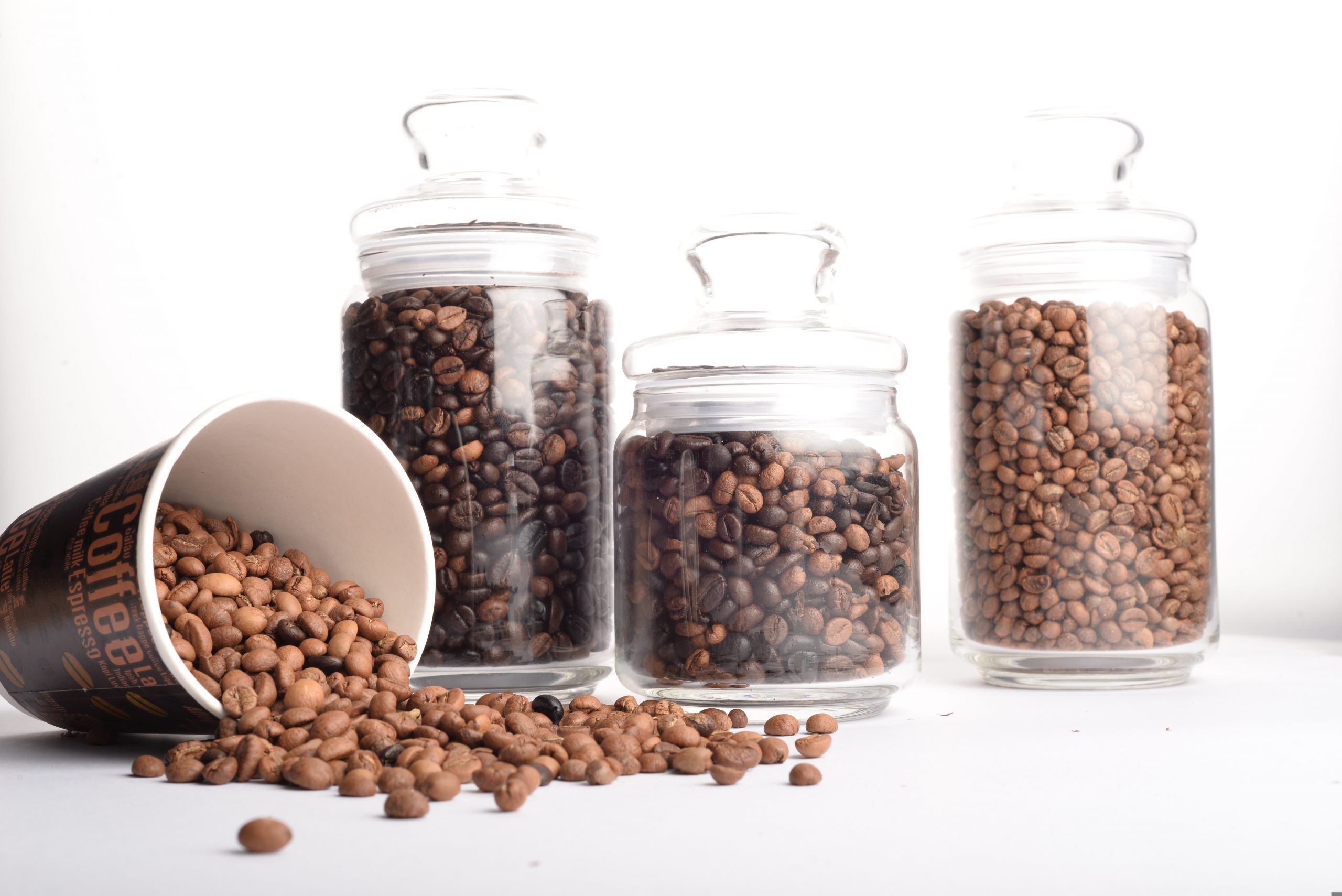
Coffee beans lose aromatic compounds and carbon dioxide as they age, a process that speeds up once the beans are ground. Stale coffee simply has less flavor left to extract, so even a technically correct brew will taste dull and weak. Beans are typically at their best within two to four weeks of the roast date, and pre-ground coffee stales even faster than whole beans.
Poor-Quality Coffee
Some beans are naturally more subdued in flavor, particularly lower-grade beans processed with less care or roasted inconsistently. If your ratio, grind, and brew time all check out and the coffee still tastes thin, the bean quality itself may be the limiting factor. Choosing a well-roasted, high-quality bean, like our Café do Paraíso Signature Dark Roast, gives you a stronger flavor foundation before you even start adjusting your brew.
Café do Paraíso Signature Dark Roast This blend is roasted for a bold, full-bodied cup, making it a good starting point for anyone whose coffee has been tasting thin no matter what they try.
How to Make Coffee Stronger
Once you know what’s causing the weak flavor, fixing it is mostly a matter of small, deliberate adjustments. Here’s how to make coffee stronger without overcorrecting into bitterness.
1. Weigh your coffee and water. A kitchen scale removes the guesswork that scoops and eyeballing introduce. This single change fixes more weak-coffee complaints than almost anything else.
2. Adjust your ratio gradually. If your coffee tastes weak, increase your coffee dose by about 5 to 10 percent rather than doubling it outright. Taste, then adjust again if needed.
3. Grind slightly finer. A finer grind increases surface area and slows water flow, both of which improve extraction. Adjust in small increments, since too fine a grind can lead to over-extraction and bitterness.
4. Extend your brew time slightly. Give the water a little more contact time with the grounds, whether that means a slower pour, a longer French press steep, or adjusting your drip machine’s settings if it allows it.
5. Check your water temperature. If you’re using a kettle without temperature control, let boiling water rest for 30 to 45 seconds before pouring. This typically brings it into the ideal 195–205°F range.
6. Use fresher beans. Buy in smaller quantities you’ll use within a month, store beans in an airtight container away from light and heat, and grind just before brewing whenever possible.
7. Bloom your coffee. For pour-over and drip methods, saturate the grounds with a small amount of water and let them sit for 30 to 45 seconds before continuing. This releases trapped carbon dioxide and allows for more even extraction afterward.
Quick Tip
If you’re not sure whether the problem is ratio or extraction, taste your coffee black first. If it tastes sour and thin, extraction is likely too low. If it tastes flat but not sour, you probably just need more coffee.
Best Coffee-to-Water Ratios for Stronger Coffee
Coffee-to-water ratio is usually written as a proportion, such as 1:16, meaning 1 gram of coffee for every 16 grams (or milliliters) of water. A lower second number means a stronger brew.
| Brewing Method | Standard Ratio | Stronger Ratio | Notes |
| Pour Over | 1:16 | 1:14 to 1:15 | Adjust grind finer if using a stronger ratio |
| French Press | 1:15 | 1:12 to 1:13 | Coarser grind helps avoid sediment and bitterness |
| Drip Coffee Maker | 1:17 | 1:15 to 1:16 | Check your machine’s max brew temperature |
| AeroPress | 1:15 | 1:12 to 1:14 | Shorter contact time allows for a stronger ratio |
| Espresso | 1:2 | 1:1.5 to 1:2 | Ratio refers to dose versus liquid yield, not brew water |
These numbers are starting points rather than fixed rules. Personal taste, bean freshness, and even your water’s mineral content all play a role, so treat this table as a baseline to adjust from. For a deeper breakdown of ratios by method and cup size, see our Coffee-to-Water Ratios guide.
Brewing Tips for a Fuller Cup
Each brewing method has its own quirks when it comes to strength. Here’s how to get a fuller-bodied cup with the ones people use most.
Pour Over
Pour-over gives you the most control, which also means it’s easy to under-extract if you’re not careful. Pour in slow, steady circles rather than dumping water in the center, and aim for a total brew time of 2.5 to 3.5 minutes. If your coffee tastes weak, try a slightly finer grind before increasing your coffee dose.
French Press
Because the grounds steep directly in the water for the full brew time, French press is naturally suited to a bolder cup. Use a coarse, even grind to avoid sediment, and steep for 4 minutes before plunging. A medium or dark roast, such as a Café do Paraíso blend with a fuller body, tends to shine in this method.
Café do Paraíso Medium Roast Blend Its balanced body holds up well in full-immersion methods like French press, where longer contact time draws out a rounder, fuller flavor.
Drip Coffee
Drip machines can vary widely in brew temperature and flow rate, which is why two people using the “same” ratio can get very different results. If your machine brews on the fast side, use a slightly finer grind and a slightly stronger ratio to compensate for the shorter contact time.
AeroPress
The AeroPress’s shorter brew time means it benefits from a finer grind and a slightly stronger ratio than pour-over. Using the inverted method and a full plunge time of around 1.5 to 2 minutes tends to produce a fuller cup than the quick, standard method.
Espresso
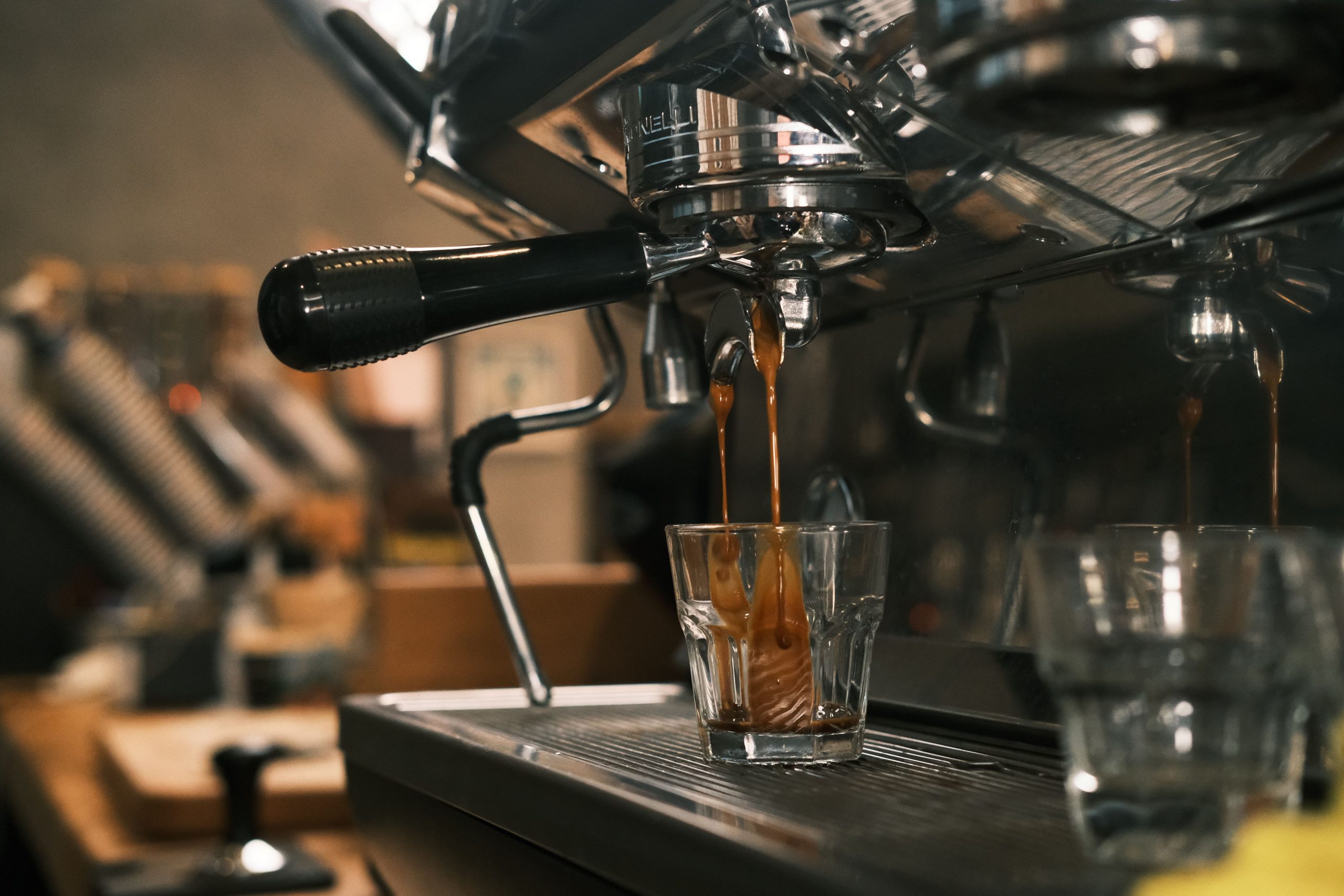
Espresso strength depends on dose, grind, and extraction time working together within a narrow window, typically 25 to 30 seconds for a standard shot. If your espresso tastes weak or watery, check your grind first. Espresso needs a much finer grind than any other method, and even a slightly coarse grind can cause the shot to run too fast and under-extract.
Common Mistakes That Make Coffee Weak
- Measuring by scoop instead of weight. Scoops vary in how tightly they’re packed, leading to inconsistent doses.
- Using pre-ground coffee that’s been open for weeks. Ground coffee loses flavor compounds far faster than whole beans.
- Brewing with water straight off the boil. Water above 205°F can actually flatten flavor, but water that’s too cool under-extracts. Both extremes work against you.
- Rinsing filters and forgetting to account for the extra water. This dilutes your final ratio without you realizing it.
- Ignoring grind size when switching brew methods. A grind that works for drip coffee will taste weak and sour in an espresso machine.
- Storing beans in the fridge or freezer in a non-airtight container. Moisture and odor absorption degrade flavor faster than most people expect.
Frequently Asked Questions
Does using too much water make coffee weak?
Yes. Adding water beyond what your coffee-to-water ratio calls for dilutes the concentration of flavor compounds in the cup, even if the coffee itself was brewed correctly.
Can too little coffee grounds cause weak coffee?
Yes, this is one of the most common causes. Using fewer grounds than your ratio requires means there’s simply less flavor available to extract, no matter how well the rest of the brew goes.
Does grind size affect coffee strength?
Yes. A coarser grind has less surface area exposed to water, which slows extraction and often results in a weaker, thinner cup within a normal brew time.
Does brew time affect coffee strength?
Yes. Longer contact time between water and coffee generally increases extraction, up to a point. Too short a brew time is a common cause of watery, under-extracted coffee.
Can stale coffee beans make coffee taste weak?
Yes. As beans age, they lose the aromatic compounds and gases that contribute to flavor and body. Stale beans have less flavor available to extract, which can taste like weak coffee even with a correct ratio.
Does roast level affect coffee strength?
Roast level affects flavor and body more than raw strength. Darker roasts tend to taste bolder and fuller-bodied, while lighter roasts can taste brighter and less intense, which is sometimes mistaken for weakness even when extraction is correct.
Which brewing methods produce stronger coffee?
Full-immersion methods like French press and concentrated methods like espresso tend to produce a fuller, stronger-tasting cup, since the grounds and water stay in close contact for longer or at a more concentrated ratio.
How can I make my coffee stronger without making it bitter?
Make small, incremental changes rather than large ones. Adjust your ratio, grind, or brew time by a small amount, taste, and adjust again. Overcorrecting any single variable is the most common way stronger coffee turns bitter.
Final Thoughts
If you’ve been asking why is my coffee too weak, the fix is rarely complicated. Start with your ratio, weigh your coffee and water if you aren’t already, check your grind size against your brewing method, and make sure your water is hot enough to extract properly. Fresh beans matter more than most people expect, so buy in amounts you’ll use within a few weeks.
Small, deliberate adjustments, made one at a time, will get you to a fuller, stronger cup without tipping into bitterness. And if you want a bean that gives you a strong flavor foundation to build from, our Café do Paraíso Espresso Roast is worth trying. Its concentrated flavor profile holds up particularly well across brewing methods, from French press to espresso, for readers who want a noticeably bolder cup.
For more on troubleshooting other brewing issues, from bitterness to sourness to inconsistent results, take a look at our Brewing Troubleshooting guide.