If you’ve ever poured hot water over fresh coffee grounds and watched them puff up like a small volcano, you’ve seen coffee bloom in action. It’s one of those small moments in brewing that looks almost magical, but it’s actually simple chemistry at work.
This guide gives you the full coffee bloom explained, from the gas that causes it to the exact steps for doing it right, no matter which brewing method you use.
What Is Coffee Bloom?
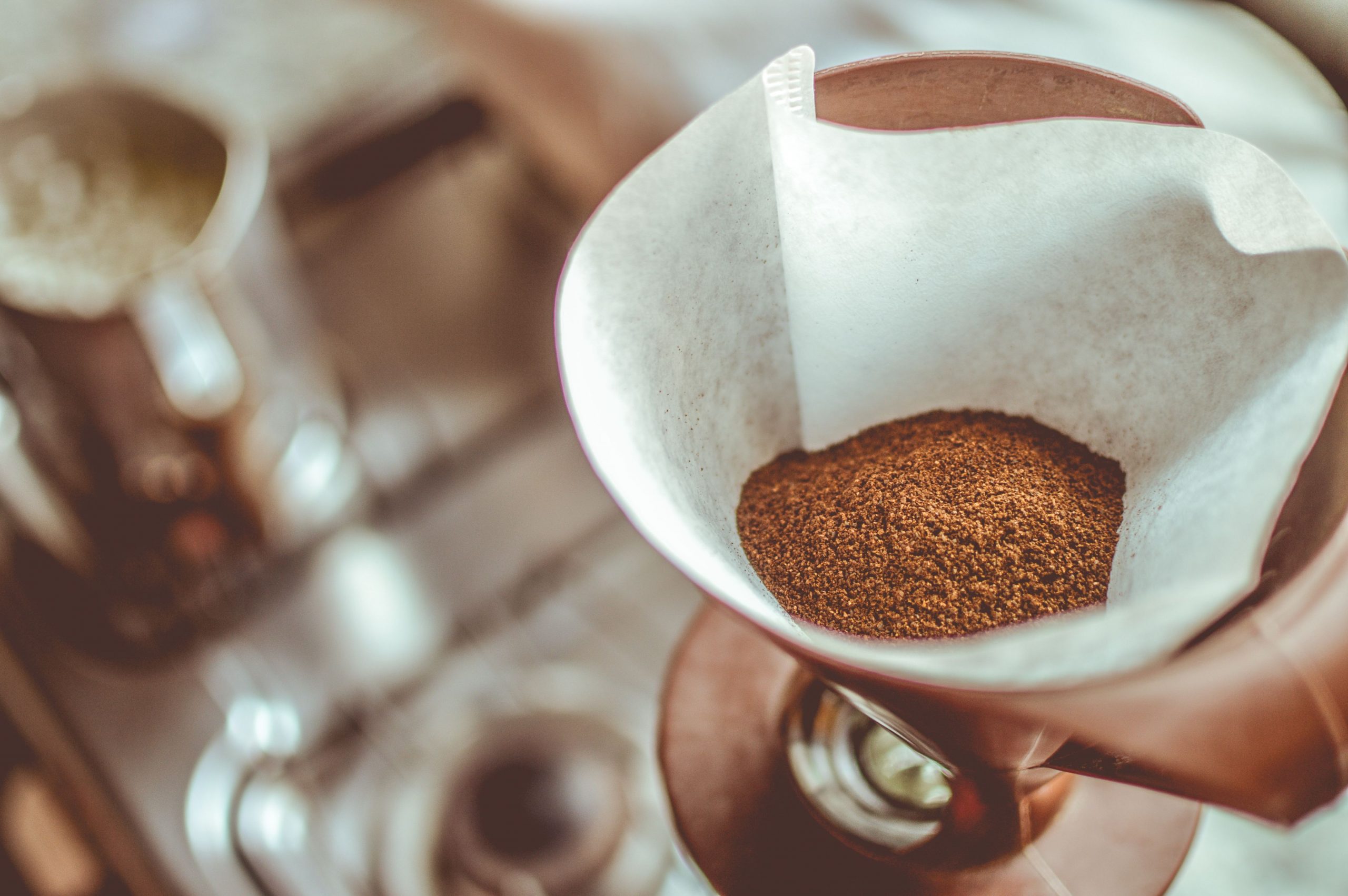
Coffee bloom is the bubbling, expanding reaction that happens when hot water first touches freshly roasted, freshly ground coffee. The grounds swell, release bubbles, and sometimes produce a small dome of foam on top of the grounds.
That reaction isn’t just visual. It’s carbon dioxide escaping from inside the coffee particles. Roasting coffee beans traps gas inside their cell structure, and that gas needs somewhere to go once water hits it. Blooming is basically that gas making its exit.
Baristas and home brewers often treat blooming as a short pre-soak step before the main pour. In pour over coffee, French press, and many other manual methods, it’s considered one of the first real decisions you make in the brewing process.
Why Does Coffee Bloom Happen?
To understand why coffee blooms, it helps to look at what happens to a bean during and after roasting.
Carbon Dioxide Release
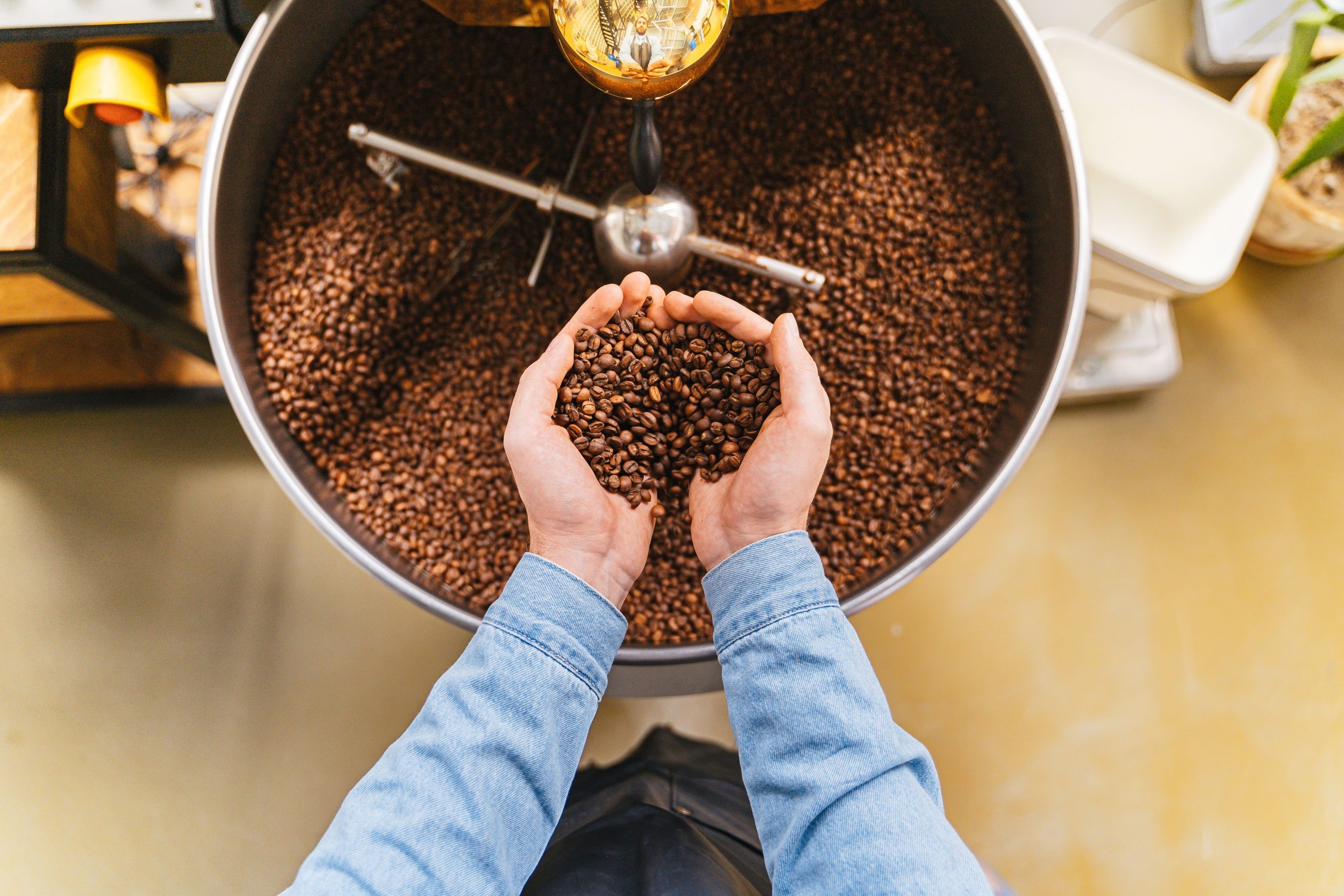
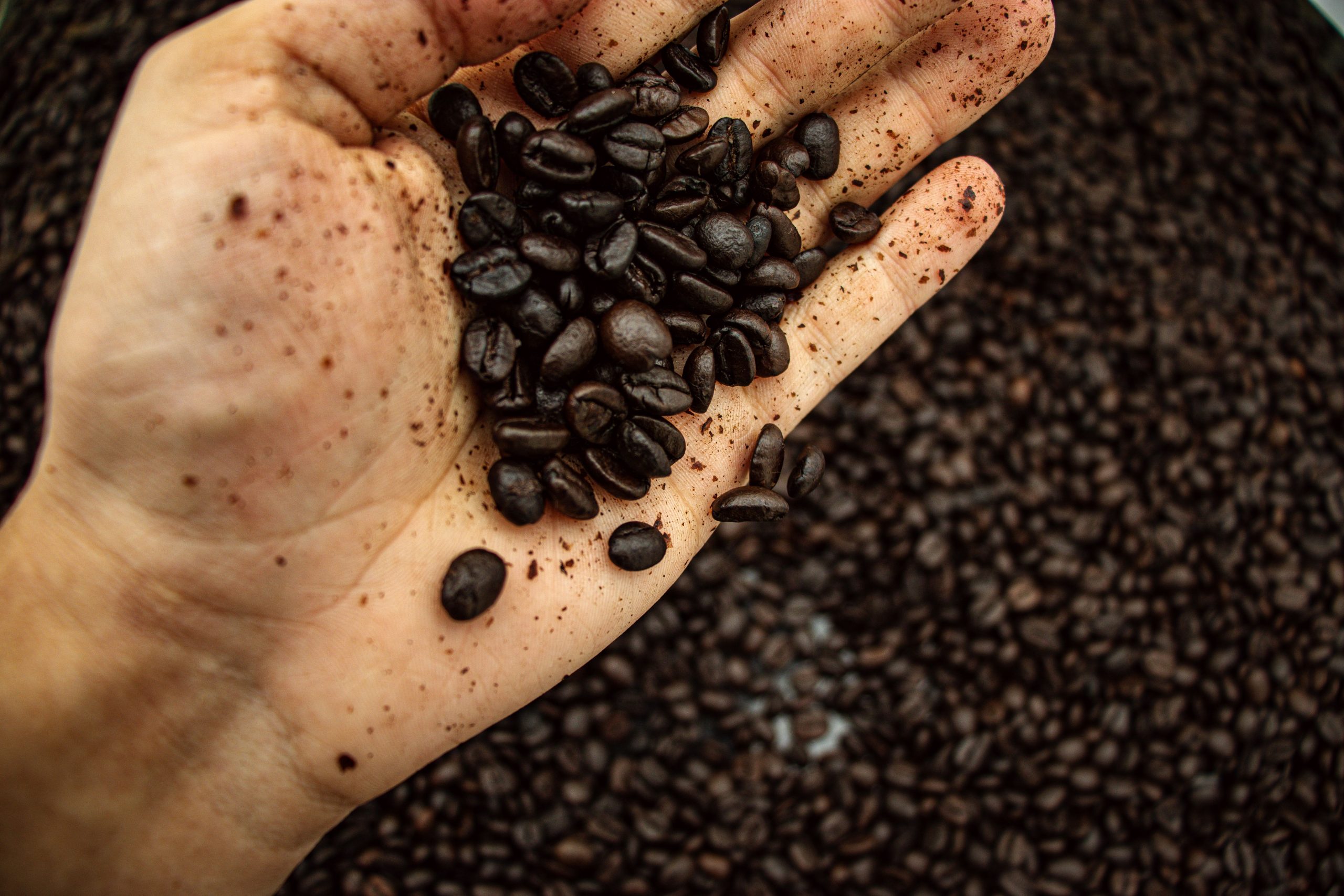
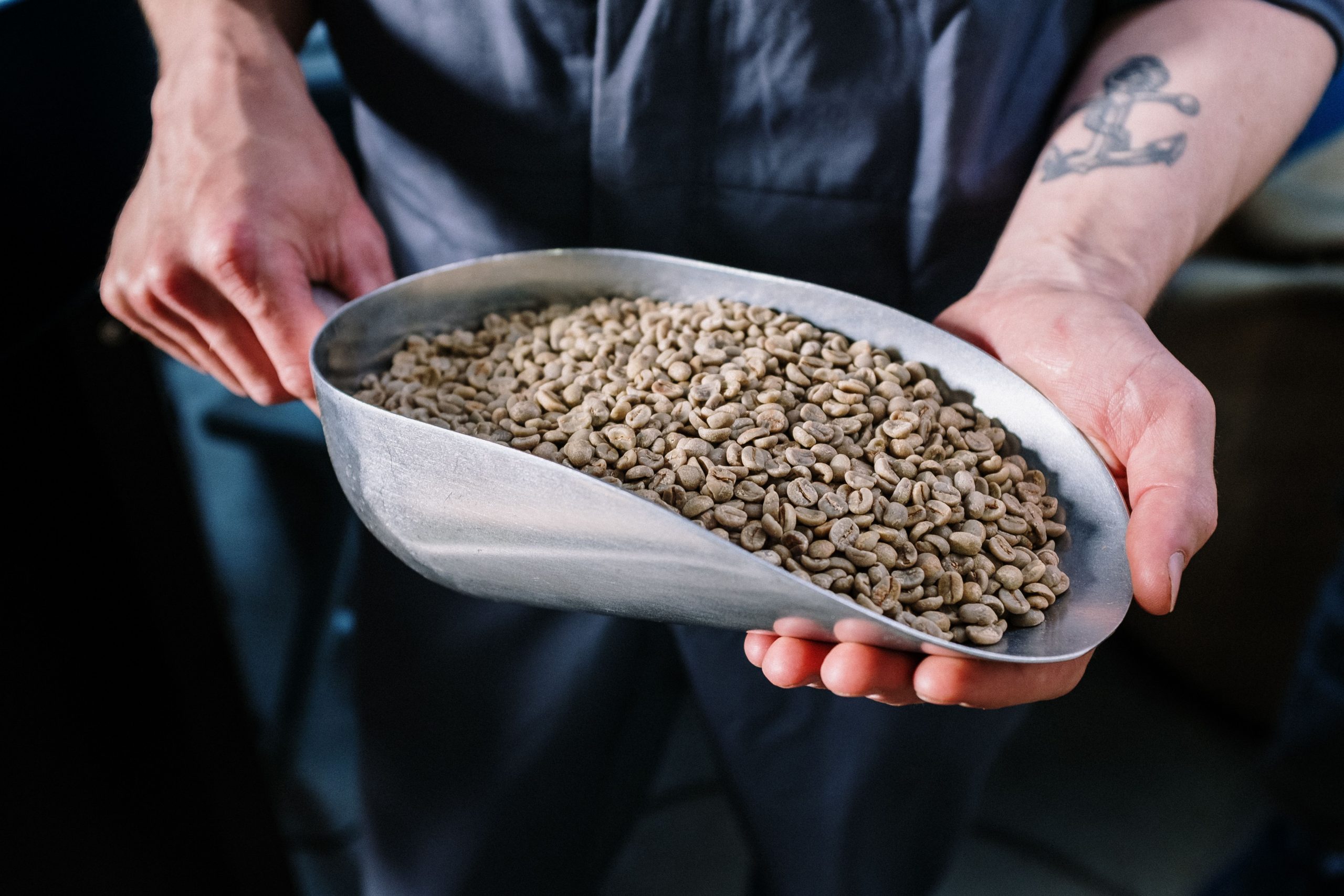
Roasting triggers chemical reactions inside the bean, including the Maillard reaction and caramelization, both of which produce carbon dioxide as a byproduct. This gas gets trapped in the bean’s porous structure. When you grind the beans, you break that structure open and expose far more surface area, which lets the trapped CO2 escape more easily.
When hot water touches the grounds, it accelerates that release. The water heats the coffee particles, the trapped gas expands, and it pushes outward through the grounds and the water above them. That’s the bubbling and swelling you see during blooming.
Freshly Roasted Coffee
The fresher the roast, the more CO2 is still trapped inside the bean. A bag of coffee roasted a day or two ago will bloom aggressively, sometimes doubling in size. Coffee that’s a few weeks old will bloom more gently, and coffee that’s several months old may barely bloom at all.
This is one of the simplest freshness tests available to a home brewer. If your grounds barely react to hot water, the beans have likely lost a significant amount of their gas content, and probably some of their flavor too.
Degassing
Coffee degassing is the natural, ongoing process of CO2 leaving the beans after roasting. It starts the moment the beans come out of the roaster and continues for weeks, though at a slowing rate over time.
This is why most roasters recommend resting beans for a few days after roasting before brewing. Beans that are too fresh can release so much CO2 during brewing that it interferes with water contact, leading to uneven extraction. A short rest period, often somewhere between 3 and 14 days depending on the roast, lets some of that initial gas escape before you brew.
Water Saturation
Coffee grounds aren’t just releasing gas when water hits them, they’re also absorbing water. Dry grounds are somewhat resistant to water penetration because trapped CO2 pushes back against the incoming liquid. This is called degassing resistance, and it’s part of why a slow, even bloom helps water saturate the grounds more evenly before the main brew begins.
Once the grounds are fully wetted and most of the initial gas has escaped, water can pass through more predictably during the rest of the brew.
Why Coffee Bloom Matters
Blooming isn’t just a ritual step. It has a measurable effect on how your coffee tastes and how evenly it extracts.
Extraction
Extraction refers to how much of the coffee’s soluble compounds end up in your cup. If grounds are full of trapped CO2 when the main pour begins, that gas can block water from moving through the coffee bed evenly. This creates channels where water rushes through some areas and barely touches others, a problem often called channeling.
Blooming clears out a large portion of that gas before the real extraction begins, which helps water flow through the grounds more consistently.
Flavor
Uneven extraction tends to produce a cup that tastes both under-extracted (sour, thin) and over-extracted (bitter, harsh) at the same time, because different parts of the coffee bed extracted at different rates. A proper bloom reduces this problem and supports a more balanced cup overall.
Aroma
Blooming also releases aromatic compounds that were sealed inside the beans. This is why the smell during blooming is often more intense than the smell of the finished coffee. Letting that gas escape before the main brew means fewer volatile aromatics get flushed away too quickly during extraction, and more stay balanced in the final cup.
Sweetness
Coffee’s sweetness comes from sugars and certain acids extracting properly during brewing. When channeling occurs, sweetness is one of the first things lost, since sugars extract at a different rate than more bitter compounds. Even saturation from a good bloom supports better sweetness in the final result.
Acidity
Acidity in coffee isn’t inherently good or bad, it’s a flavor characteristic tied to origin, roast level, and extraction. Poor water distribution can make acidity taste sharp or sour rather than bright and pleasant. Blooming helps acids extract in a more controlled, even way.
Even Brewing
At the center of all these effects is one idea: even brewing. Blooming sets up the rest of the brew by removing a major obstacle to even water flow. Everything else, flavor balance, aroma, sweetness, depends on that foundation.
How to Bloom Coffee Properly
Blooming is simple, but small details make a real difference.
Water Temperature
Use water between 195°F and 205°F (90°C to 96°C). This is the general range recommended for most manual brewing methods by coffee education resources like the Specialty Coffee Association. Water that’s too cool won’t release gas efficiently, and water that’s too hot can scorch the grounds and pull out unpleasant bitter compounds.
Water Amount
A widely used starting point is to use about 2 to 3 times the weight of your coffee in water for the bloom. For example, if you’re using 20 grams of coffee, you’d pour roughly 40 to 60 grams of water to start.
The goal is to fully saturate the grounds without flooding them. You want every particle wet, not swimming.
Bloom Time
Most manual brewing guides recommend a bloom time of 30 to 45 seconds. Very fresh coffee might benefit from closer to 45 seconds, since it has more gas to release. Coffee that’s a few weeks old may only need 20 to 30 seconds, since less gas is trapped inside.
Watch the grounds rather than the clock alone. When the bubbling slows and the surface starts to settle, the bloom is largely finished.
Pouring Technique
Pour in slow, circular motions, starting from the center and moving outward, to wet all the grounds evenly. Avoid pouring directly onto the same spot repeatedly, since this creates dry pockets elsewhere in the bed.
Step-by-step blooming instructions:
- Grind your coffee to the appropriate size for your brew method.
- Heat water to 195–205°F (90–96°C).
- Place your filter and grounds in your brewer, then rinse the filter if needed.
- Start your timer and pour water equal to about 2–3 times the coffee’s weight.
- Gently swirl or stir if your method allows it, to help release trapped gas.
- Wait 30–45 seconds, watching for the bubbling to slow down.
- Continue with your main pour once the bloom has settled.
Quick Tips
- Freshly roasted beans (within 1–3 weeks) bloom the most dramatically.
- A weak or flat bloom on beans you expected to be fresh can be an early sign the coffee is starting to lose its flavor.
- Grind size affects bloom speed. Finer grinds release gas faster than coarser ones.
Which Brewing Methods Require Blooming?
Not every brewing method benefits from blooming in the same way. Here’s a breakdown of common methods.
| Brewing Method | Does It Need Blooming? | Why |
| Pour Over (V60, Kalita Wave) | Yes, strongly recommended | Manual pouring makes even saturation critical, and blooming directly reduces channeling |
| Chemex | Yes, strongly recommended | Thicker filter and larger bed benefit from an even start |
| AeroPress | Optional but helpful | Shorter brew time still benefits from reduced channeling, especially with fresh coffee |
| French Press | Less critical, but useful | Full immersion means grounds stay in contact with water longer, reducing the impact of uneven initial saturation, though a short bloom before stirring still helps |
| Automatic Drip Coffee Maker | Rarely possible | Most machines pour continuously without a pause, so true blooming isn’t practical unless the machine has a bloom setting |
| Espresso | Not applicable | Espresso uses pressure and a very short brew time, so traditional blooming doesn’t apply in the same way |
Pour over coffee and Chemex benefit the most because the brewer relies entirely on your pour to control water distribution. French press and AeroPress can still benefit, just with less dramatic results. Drip machines and espresso generally don’t allow for a true bloom step.
If you brew mostly with a V60 or similar dripper, a good starting point is a fresh, well-roasted single origin. Café do Paraíso Single Origin Filter Roast This kind of roast is typically packaged closer to its roast date, which means you’ll see a fuller, more active bloom and get a clearer sense of how freshness affects your cup.
Common Blooming Mistakes
Even experienced brewers run into these issues.
- Using stale coffee and expecting a strong bloom. Older beans have already released much of their CO2, so a flat bloom doesn’t always mean bad technique, it often means the coffee has aged.
- Pouring too much water during the bloom. This drowns the grounds and can wash away some of the compounds you want extracted later in the brew.
- Skipping the bloom entirely to save time. This increases the risk of channeling and uneven extraction, especially with fresh coffee.
- Bloom water too hot or too cold. Water outside the recommended range can either scorch the grounds or fail to release gas efficiently.
- Not stirring or swirling when needed. Some methods benefit from a gentle stir or swirl during the bloom to help dislodge trapped gas pockets, particularly with drippers that have a flat bed.
- Rushing straight into the main pour. Pouring before the bloom has settled reintroduces the same channeling problem blooming is meant to prevent.
Does Blooming Improve Flavor?
Yes, in most manual brewing methods, blooming supports more even extraction, which generally leads to a more balanced cup. It won’t fix problems caused by bad beans, incorrect grind size, or poor water quality, but it removes one major variable that can throw off an otherwise well-executed brew.
Is Blooming Necessary for Every Brewing Method?
No. It matters most for pour over methods like V60, Chemex, and Kalita Wave, where you control the water flow directly. It’s less critical for full-immersion methods like French press, and it’s often not practical for standard drip machines or espresso.
What Happens If You Skip the Bloom?
Skipping the bloom, especially with fresh coffee, increases the likelihood of channeling. Water may rush through gaps created by escaping CO2, leaving some grounds under-extracted and others over-extracted. The result is often a cup that tastes sour and bitter at the same time, along with a less consistent aroma and body.
Does Fresh Coffee Bloom More Than Old Coffee?
Yes. Fresh coffee still contains a significant amount of trapped carbon dioxide, so it reacts strongly to hot water. As coffee ages, it naturally loses CO2 through ongoing degassing, so older coffee blooms less, sometimes barely at all. This is a helpful, low-cost way to judge freshness at home.
If you want to see a strong, reliable bloom, starting with coffee that’s roasted within the past few weeks makes a noticeable difference. Café do Paraíso Freshly Roasted Blend Choosing a roast with a visible roast date helps you time your brewing to when the beans are in their best window for both blooming and flavor.
Frequently Asked Questions
How long should coffee bloom for pour over?
Most pour over methods do well with a 30 to 45 second bloom. Fresher coffee may need closer to the higher end of that range, since it releases more gas.
How much water do you use for blooming?
A common ratio is about 2 to 3 times the weight of your coffee grounds. For 20 grams of coffee, that’s roughly 40 to 60 grams of water.
Can you over-bloom coffee?
Yes. Letting the bloom sit too long, especially past a minute or two, can cause the water to cool too much or lead to uneven extraction once you resume pouring. Stick to the 30–45 second range as a general guide.
Why doesn’t my coffee bloom at all?
This usually means the beans are past their fresh window and have released most of their trapped CO2 through degassing. It can also happen if the water isn’t hot enough.
Does bloom time change with grind size?
Yes. Finer grinds expose more surface area and release gas faster, so they may need a slightly shorter bloom. Coarser grinds can take a bit longer to fully react.
Should I stir the coffee during blooming?
A gentle stir or swirl can help release gas pockets, especially in drippers where water sits on top of a flat bed. It’s optional but often helpful.
Does blooming matter for cold brew?
Not in the traditional sense. Cold brew uses cold or room-temperature water over a long steep time, so the rapid gas release seen with hot water blooming doesn’t apply the same way.
Is blooming the same as pre-infusion in espresso machines?
They’re related concepts. Pre-infusion on some espresso machines wets the grounds gently before full pressure is applied, which serves a similar purpose to blooming, helping with even saturation, though the mechanics differ from manual pour over blooming.
Final Thoughts
Coffee bloom explained simply: it’s trapped carbon dioxide escaping from freshly roasted grounds when hot water hits them. That small, bubbling moment sets the stage for how evenly your coffee extracts, and how balanced it tastes in the cup.
Getting it right doesn’t take much extra effort. Use the right water temperature, a modest amount of water, and give it 30 to 45 seconds before your main pour. Pay attention to how your coffee blooms, and you’ll also pick up a useful habit for judging freshness every time you brew.
If you’re brewing pour over regularly and want a coffee that blooms reliably and tastes the way it should, look for options with a clear roast date. Café do Paraíso Signature Pour Over Roast It’s roasted with manual brewing in mind, which makes it a solid match for anyone working on their bloom technique.