You did everything you thought you were supposed to do. Good beans, a clean mug, a few minutes of your morning – and yet the cup in front of you tastes sharp, dry, and a little punishing. If you’ve ever wondered why does coffee taste bitter even when nothing seems obviously wrong, you’re asking a question that has a real, fixable answer.
Bitterness in coffee almost always comes down to a handful of variables: how finely the beans are ground, how hot the water is, how long the water and grounds spend together, how fresh the beans are, and how dark they were roasted. Change one of these and the flavor shifts. Understand all of them and you can brew a consistently smoother cup, no matter which method you use.
This guide walks through why bitterness happens, when it’s normal, what’s actually causing it in your cup, and exactly how to fix and prevent it – whether you’re using a French press, pour-over, espresso machine, AeroPress, or drip maker.
Why Does Coffee Taste Bitter?
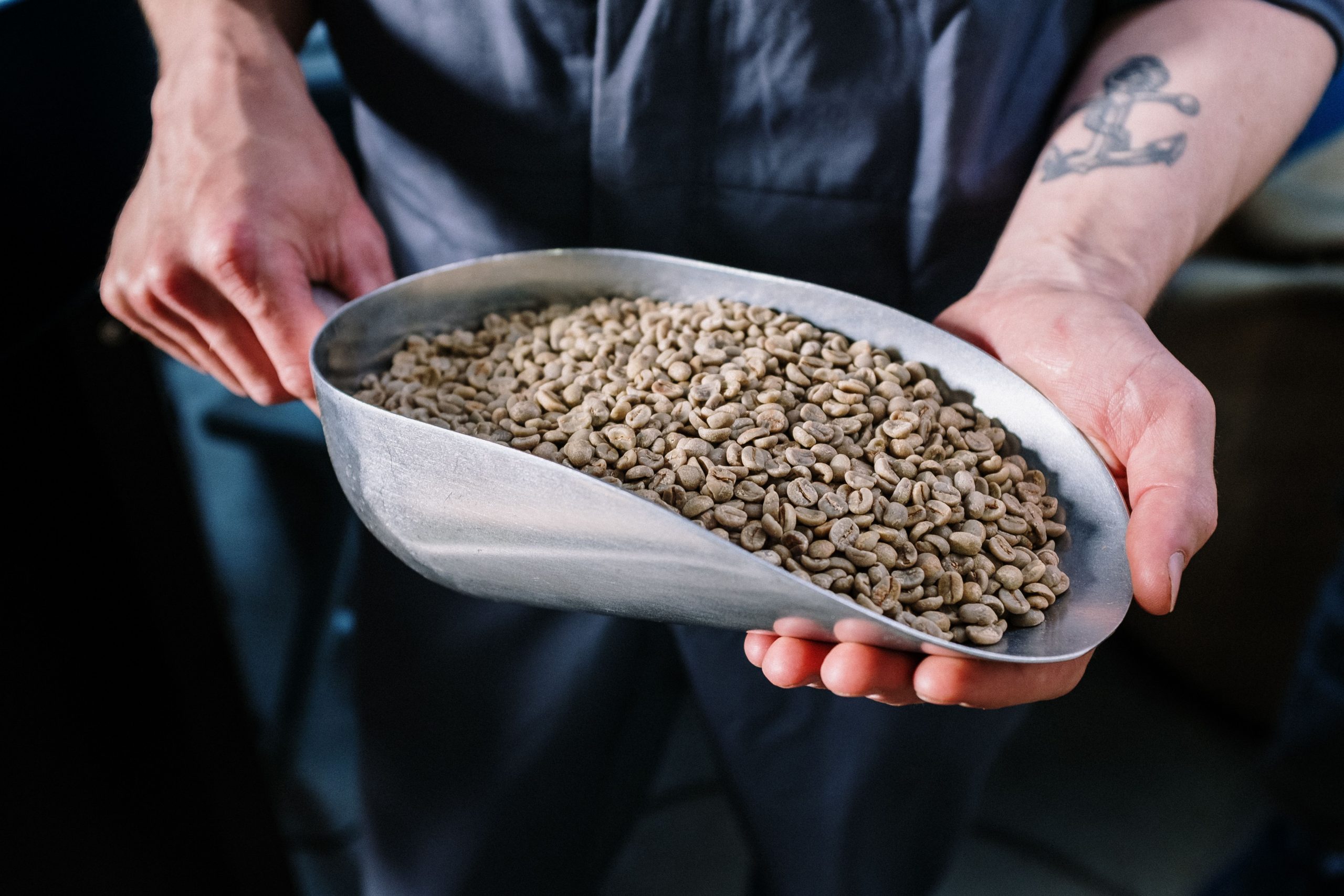
Coffee is bitter, at least a little, by nature. Raw coffee beans contain a family of compounds called chlorogenic acids. During roasting, heat breaks these acids down into new compounds – chlorogenic acid lactones first, and, at higher roast temperatures, phenylindanes. Lactones bring a moderate, often pleasant bitterness. Phenylindanes are much harsher, and they’re a big part of why very dark roasts taste sharper and more burnt than lighter ones.
Brewing then decides how much of that bitterness ends up in your cup. When hot water meets ground coffee, it pulls compounds out in a rough sequence: bright acids and aromatics come out first, sweetness and balanced flavor follow, and the heavier, more bitter and astringent compounds – tannins, lactones, and remaining caffeine – come out last. A well-brewed cup captures the middle of that sequence. A cup that tastes harshly bitter has usually pulled too far into the final stage, a process baristas call over-extraction.
So the short answer to “why does coffee taste bitter” is this: some bitterness is baked into the bean during roasting, and brewing choices – grind size, water temperature, contact time, and ratio – determine how much of that bitterness actually makes it into your mug.
Is Bitterness Always a Bad Thing?
No – and this trips up a lot of home brewers. A trace of bitterness is a normal, even desirable, part of coffee’s flavor. It’s part of what balances out sweetness and acidity, similar to the way a touch of bitterness rounds out dark chocolate or a well-pulled espresso.
The difference is between balanced bitterness and dominant bitterness:
| Balanced bitterness | Dominant (problem) bitterness |
| Present but mild, fades quickly | Sharp, lingers on the tongue |
| Complements sweetness and acidity | Overwhelms other flavors |
| Feels like part of the coffee’s character | Feels harsh, dry, or “burnt” |
| Leaves a clean finish | Leaves a chalky or puckering aftertaste |
If your coffee tastes unpleasantly bitter rather than pleasantly bitter, something in the roast, the beans, or the brewing process has gone too far – and that’s fixable.
What Causes Coffee to Taste Bitter?
Most bitter coffee complaints trace back to one or more of the following.
Over-Extraction
This is the single most common cause of bitter coffee. Extraction is simply the process of water dissolving flavor compounds out of ground coffee. Pull too little out and coffee tastes sour and thin (under-extraction). Pull too much out and you get harsh, dry bitterness. Coffee professionals often target an extraction yield – the percentage of the coffee grounds’ mass that ends up dissolved in your cup – of roughly 18–22%. Go much beyond that range and the cup shifts firmly into bitter territory.
Over-extraction isn’t caused by one single mistake – it’s the end result of several variables stacking up, which is exactly why the next few sections matter.
Grind Size
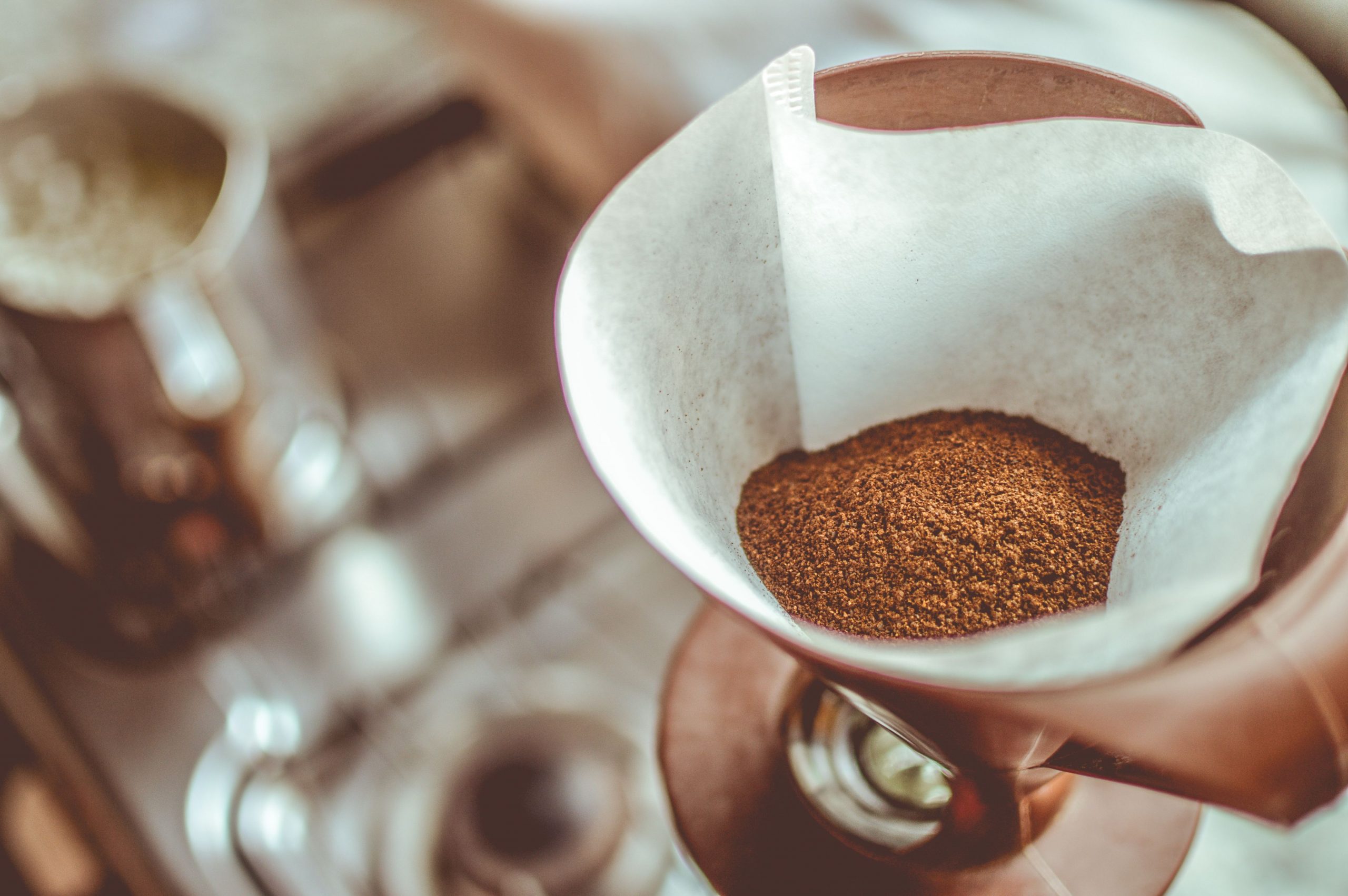
A finer grind exposes more surface area to water, so flavor compounds – including the bitter ones – extract faster and more completely. If your grind is too fine for your brewing method, you can over-extract even with a “normal” brew time. This is one of the most common mistakes with methods like pour-over and drip, where a grind meant for espresso ends up in a machine designed for a coarser, faster pour.
Brewing Too Long
Longer contact time between water and grounds means more extraction. A French press left to steep well past its usual 4 minutes, or an espresso shot that pulls too slowly, will keep dissolving those late-stage bitter compounds long after the good flavors have already come out.
Water Temperature
Water that’s too hot accelerates extraction and pulls out compounds more aggressively, including bitterness, and can even scald the grounds. Most brewing guides recommend water between roughly 195–205°F (90–96°C). Water at a full rolling boil (212°F/100°C) is a common – and easy to fix – cause of bitter, harsh-tasting coffee.
Dark Roast Characteristics
As covered above, darker roasts undergo more thermal breakdown of chlorogenic acids into lactones and, eventually, phenylindanes. That means a dark roast will always carry more inherent bitterness than a light or medium roast, regardless of how carefully you brew it. This is roast chemistry, not a brewing mistake – but it does mean dark roasts have less room for error before bitterness becomes too dominant.
Low-Quality Coffee Beans
Bean quality and species matter. Robusta beans naturally contain more chlorogenic acids and roughly double the caffeine of Arabica beans, both of which push bitterness higher. Lower-grade blends, whether Robusta-heavy or poorly sorted, tend to taste more harshly bitter no matter how well they’re brewed.
Stale Coffee
Coffee is a food product, and it goes stale. As roasted beans age, aromatic oils break down and the flavor compounds that would normally balance out bitterness fade faster than the bitter compounds do. The result is a flatter, more one-dimensional bitterness with none of the sweetness or brightness that should be there to offset it. Beans used more than a few weeks after roasting, or pre-ground coffee that’s been open for a while, are common culprits.
Dirty Brewing Equipment
Coffee oils go rancid over time, and old residue builds up inside French press mesh, espresso portafilters, drip machine reservoirs, and AeroPress seals. That rancid buildup adds its own bitter, stale flavor to every new brew, on top of whatever bitterness the fresh coffee is producing. This is one of the most overlooked causes because the equipment looks clean even when it isn’t.
Incorrect Coffee-to-Water Ratio
Too much coffee for too little water concentrates every compound in the brew, bitter ones included. A common baseline is around 1:15 to 1:17 (coffee to water, by weight) for drip and pour-over, adjusted to taste. Ratios that are too strong tend to taste bitter and heavy; ratios that are too weak taste sour or watery.
How to Fix Bitter Coffee
If your current cup already tastes too bitter, here’s how to dial it back, method by method.
General fixes that apply everywhere:
- Coarsen your grind slightly. This is usually the fastest fix, since it slows extraction across the board.
- Lower your water temperature a few degrees, especially if you’ve been using water straight off the boil.
- Shorten contact time – pour faster, steep for less time, or pull your espresso shot quicker.
- Check your ratio and use slightly less coffee, or slightly more water.
- Clean your equipment thoroughly, including seals, mesh filters, and portafilter baskets.
- Use fresher beans, ideally brewed within 2–4 weeks of the roast date.
By brewing method:
- French Press: Steep for 4 minutes, not longer. Use a coarse, even grind – a too-fine grind is the most common bitterness culprit here, since the mesh filter lets fine particles keep extracting even after you plunge.
- Pour-Over: Aim for a total brew time of around 2.5–3.5 minutes for a standard 250–300ml cup. If your pour is finishing much slower than that, your grind is likely too fine.
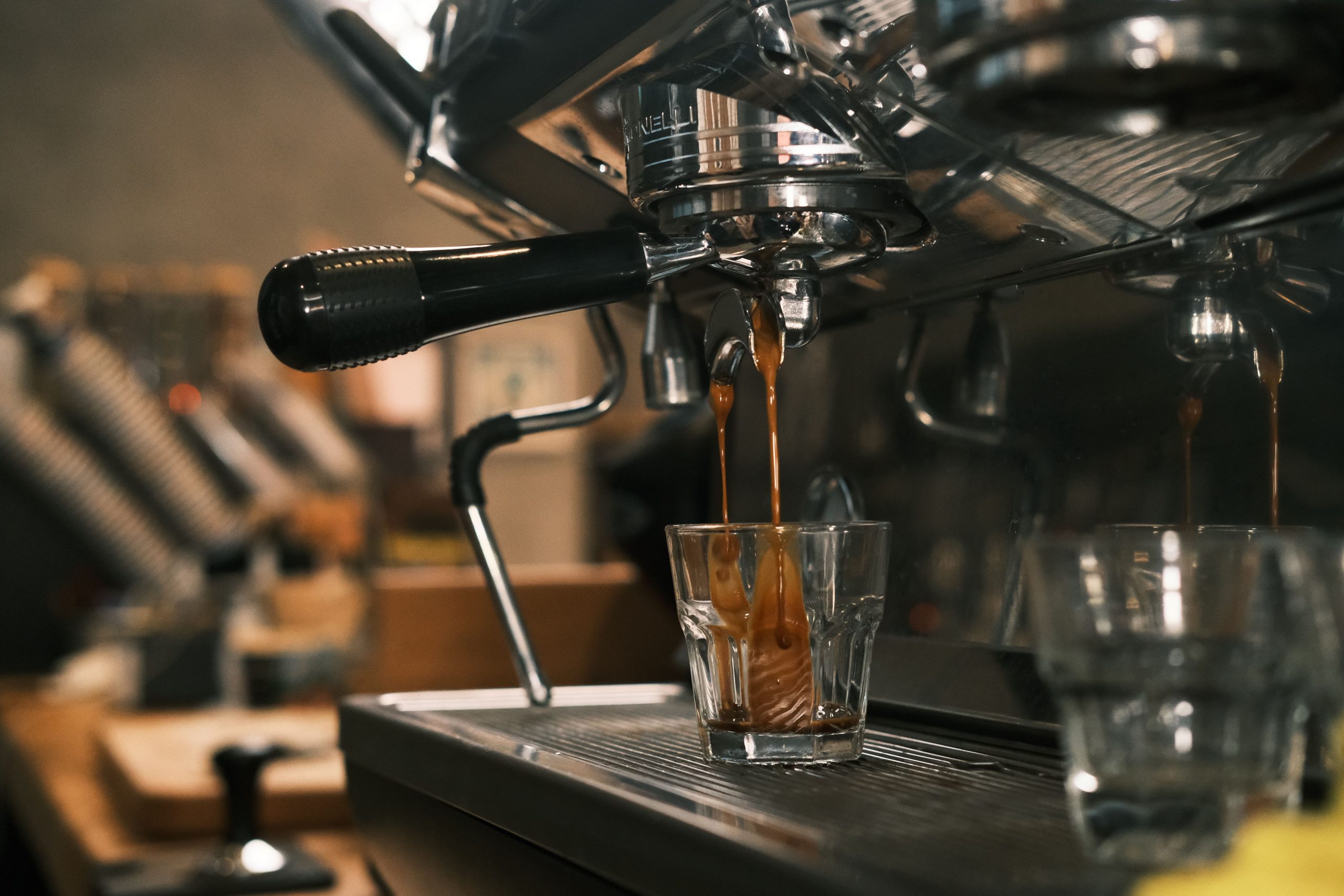
- Espresso: A 25–30 second shot time (for a double) is a reasonable target. A shot that runs long and slow, or drips out dark and thin at the end, is over-extracting – try a slightly coarser grind or a lower dose.
- AeroPress: Because it uses pressure and a paper filter, AeroPress is forgiving, but a long steep time combined with hard pressing can still over-extract. Keep steep time under 2 minutes for a standard recipe.
- Drip Coffee: Check your machine’s water temperature (many budget machines run too hot) and make sure the grind matches your machine’s brew basket – a common mistake is using an espresso or Turkish grind in a standard drip machine.
Brewing Tips for Better-Tasting Coffee
- Buy whole beans and grind fresh right before brewing – pre-ground coffee stales fast and loses the aromatics that balance bitterness.
- Store beans in an airtight container away from light, heat, and moisture.
- Use filtered water if your tap water is very hard or heavily chlorinated – off flavors in the water carry straight into the cup.
- Weigh your coffee and water instead of eyeballing it; consistency is what turns “sometimes good” coffee into “always good” coffee.
- Taste and adjust one variable at a time – grind, then temperature, then time – so you know what actually fixed the problem.
- Clean brewing equipment weekly, and descale machines regularly if you’re in a hard-water area.
Common Mistakes That Make Coffee Bitter
- Using boiling water straight off the kettle instead of letting it rest for 30–60 seconds first.
- Grinding too fine for the brewing method being used.
- Leaving coffee brewing (or steeping) longer than the method calls for, often out of distraction rather than intent.
- Reusing old, stale, or pre-ground coffee well past its useful window.
- Skipping equipment cleaning because gear “looks” clean.
- Using too much coffee per cup in an attempt to make it “stronger,” which usually just makes it more bitter and concentrated rather than better-tasting.
- Assuming a bitter cup means bad beans, when the real issue is often grind size or water temperature.
Frequently Asked Questions
Is bitter coffee bad for you?
No – bitterness itself isn’t a health concern. It’s a taste characteristic, not a sign the coffee is spoiled or unsafe, unless the bitterness comes from rancid oils in dirty equipment or genuinely stale, old beans.
Why does my coffee taste bitter even with good beans?
High-quality beans can still produce a bitter cup if the brewing variables are off. Grind size, water temperature, and brew time affect the outcome as much as bean quality does.
Does adding sugar or milk fix bitter coffee?
It can mask bitterness by adding sweetness or fat, but it doesn’t address the underlying cause. Fixing the extraction process will give you a better-tasting cup black or with additions.
Why does my French press coffee taste more bitter than my pour-over?
French press uses a metal mesh filter that lets fine particles and oils through, and it also has a naturally longer contact time. Both factors increase extraction, so a French press needs a coarser grind than a pour-over to land in the same flavor zone.
Can hard water make coffee taste bitter?
Water with a very high mineral content can influence extraction and contribute to a harsher, more mineral-heavy taste. Filtered water tends to produce a cleaner cup than very hard tap water.
Why does espresso taste more bitter than drip coffee?
Espresso uses a much finer grind, higher pressure, and a more concentrated ratio, all of which extract more compounds in a short time. This higher concentration includes more of the bitter compounds, which is why espresso naturally reads as more intense than drip coffee.
Is it normal for dark roast coffee to always taste more bitter?
Yes. Darker roasts undergo more chemical breakdown of chlorogenic acids, producing more inherently bitter compounds. This is a roasting characteristic, not necessarily a brewing mistake.
How quickly should I use coffee beans after roasting to avoid bitterness?
Most specialty roasters recommend using beans within 2–4 weeks of the roast date for the best balance of flavor, since staling beans lose the brighter, sweeter notes that offset bitterness.
Final Thoughts
Bitter coffee isn’t a mystery, and it isn’t bad luck – it’s the predictable result of a few variables: grind size, water temperature, brew time, ratio, bean freshness, roast level, and equipment cleanliness. A little bitterness is completely normal and even desirable; it’s when it dominates the cup that something needs adjusting.
Start with the easiest changes – a slightly coarser grind, slightly cooler water, a shorter brew time – and taste as you go. Small, deliberate adjustments, one at a time, will get you to a smoother, more balanced cup far faster than guessing at a whole new brewing method. Once you’ve got the basics dialed in, the same fundamentals apply whether you’re troubleshooting a French press, chasing the perfect pour-over, or dialing in an espresso shot.