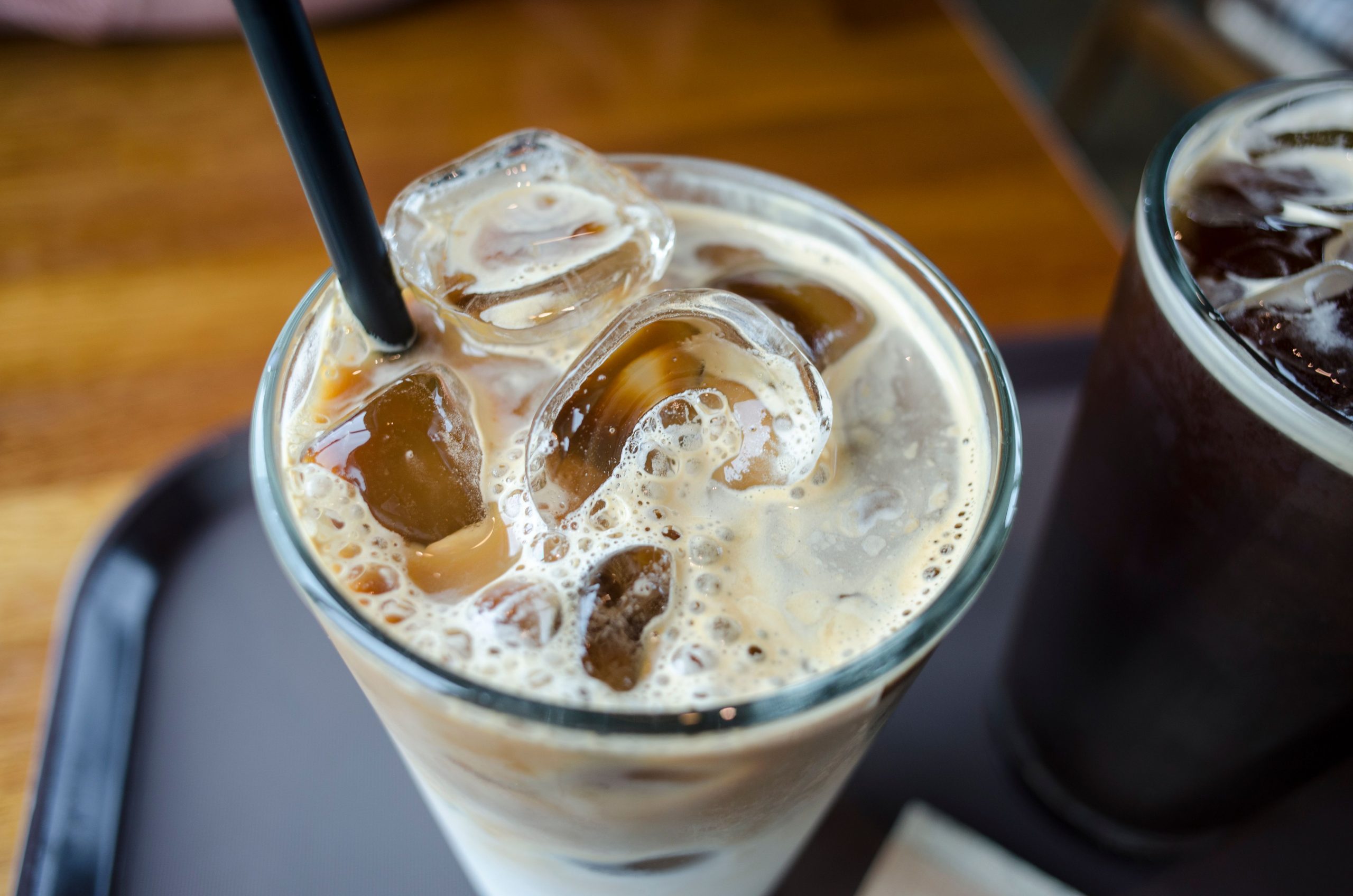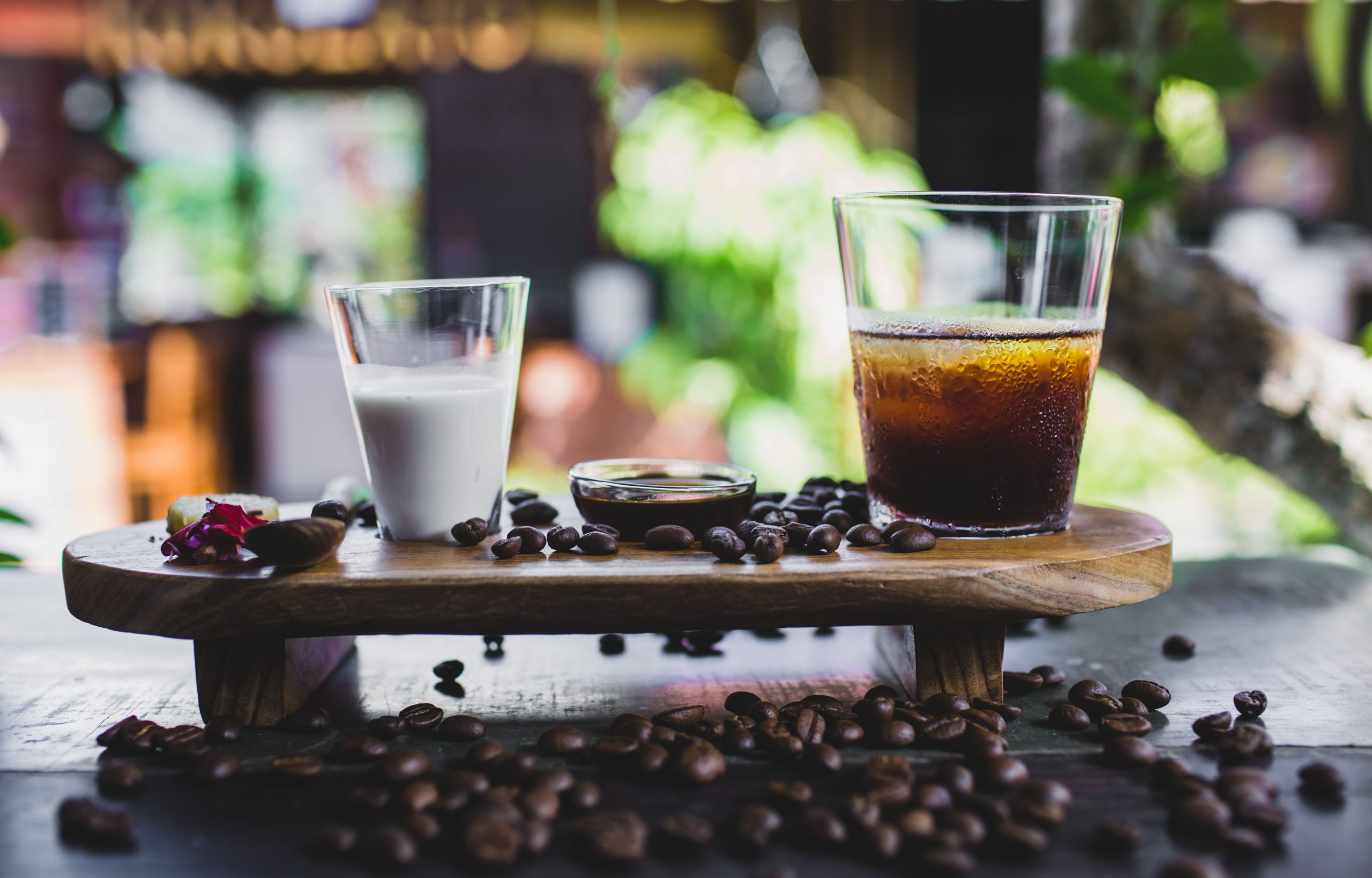
Cold brew has gone from a niche café offering to a daily ritual for millions of coffee drinkers – and for good reason. It’s smooth, naturally sweet, low in acidity, and deeply satisfying whether you’re sipping it straight over ice or mixing it into your morning oat milk latte.
But here’s what most guides won’t tell you: the coffee you choose matters far more than your brewing technique. You can nail the ratio, the steep time, and the filtration – and still end up with a mediocre glass if your beans aren’t up to the task.
So what is the best coffee for cold brew? The short answer is freshly roasted, high-quality coffee beans with a flavor profile that thrives in cold extraction. The longer answer is what this guide is all about.
At Cafe do Paraiso, we’ve spent years roasting fresh roasted coffee specifically for Las Vegas coffee lovers who demand more from their cup. This guide distills everything we know about choosing the right beans – so you can brew cold brew that actually tastes extraordinary.
What Is Cold Brew Coffee and Why Do Beans Matter So Much?
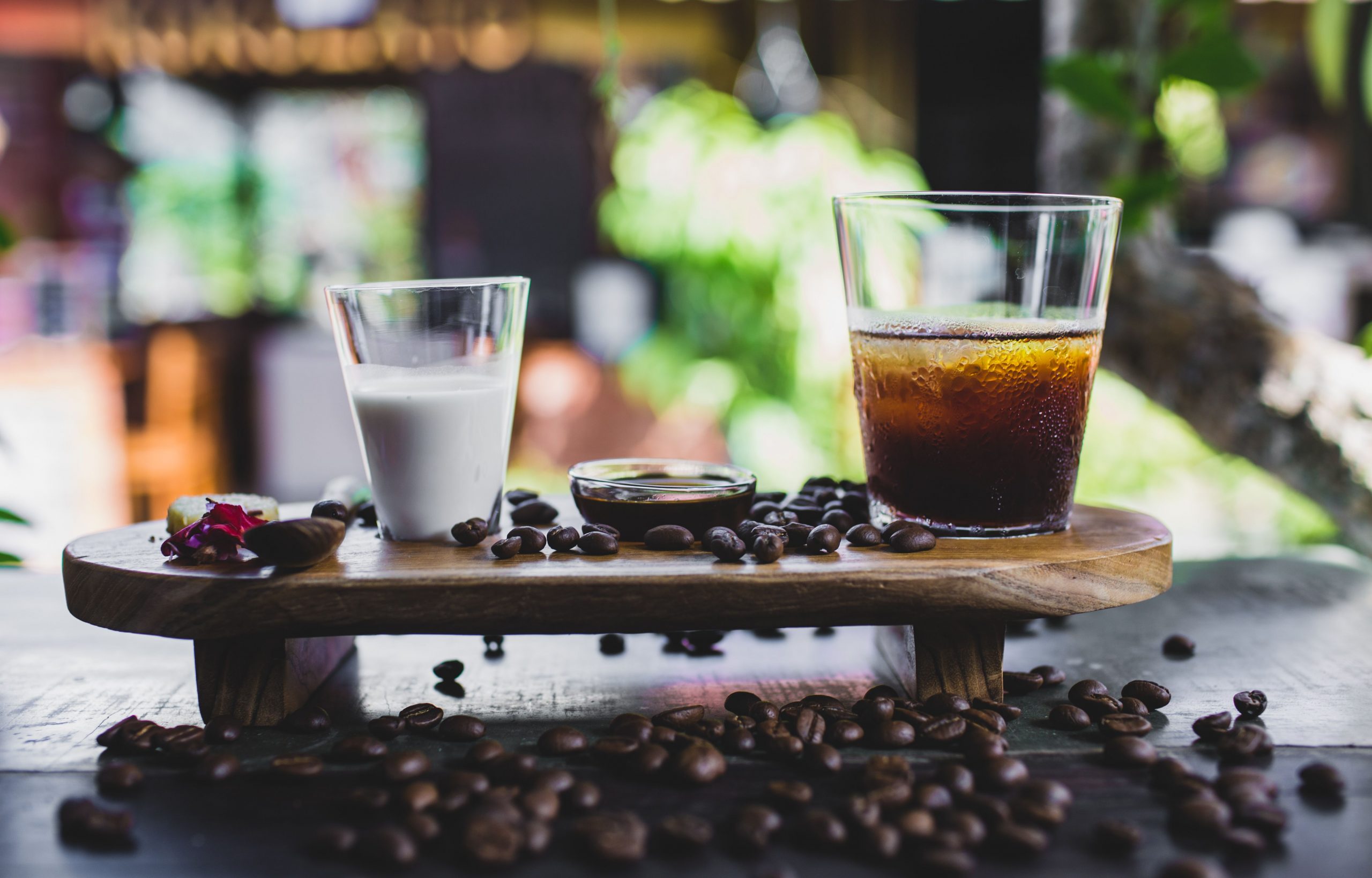
Cold brew is made by steeping coarsely ground coffee in cold or room-temperature water for 12 to 24 hours. No heat. No pressure. Just time and water doing the work.
This slow, gentle extraction process pulls out a very different set of compounds than hot brewing does. Sweetness and body come forward. Harsh acids and bitter tannins stay behind. The result is a concentrate that’s naturally richer, rounder, and easier to drink than hot coffee poured over ice.
But here’s the catch: cold water is far less efficient at extracting flavor than hot water. That means cold brew can only bring out what’s already abundant in your beans. If the coffee is low-quality, old, or poorly roasted, cold extraction won’t save it – it’ll expose every flaw.
High-quality beans, on the other hand, reward cold brew generously. Complex flavor compounds, natural sweetness, and good body all shine through in ways that simpler brewing methods sometimes obscure.
This is why bean selection is the single highest-leverage decision you’ll make in your cold brew process.
What Makes the Best Coffee Beans for Cold Brew?
Not all coffee behaves the same way in cold water. Here are the four characteristics that separate great cold brew beans from average ones.
Origin and Flavor Profile
Cold brew emphasizes sweetness, body, and low-frequency flavors like chocolate, caramel, stone fruit, and nuts. These characteristics are largely determined by where the coffee was grown.
Some of the best origins for cold brew coffee include:
- Brazil – Low natural acidity, full body, consistent notes of dark chocolate, hazelnut, and brown sugar. One of the most reliably excellent cold brew origins.
- Colombia – Well-balanced with gentle caramel sweetness and mild stone fruit. Versatile and approachable for any skill level.
- Guatemala – Warm, complex flavors: brown sugar, baking spice, cocoa. Excellent body that holds up beautifully in milk-based drinks.
- Ethiopia – Higher natural brightness with distinctive berry, floral, and citrus notes. Produces a vibrant, tea-like cold brew that’s completely unlike anything else.
- Sumatra – Earthy, full-bodied, with low acidity and deep herbal or dark fruit undertones. A bold choice for cold brew drinkers who want intensity.
The key principle: whatever flavors exist in the bean will be amplified in cold brew. Choose an origin that aligns with the experience you’re after.
Processing Method
How coffee is processed after harvest significantly affects its cold brew character.
Natural-processed coffees (dried with the fruit still on) tend to produce more sweetness and body – both highly desirable for cold brew. Washed-processed coffees are cleaner and brighter, offering more clarity and precision. Honey-processed coffees fall somewhere in between, blending sweetness with some of the clean complexity of a washed coffee.
All three can make exceptional cold brew. Knowing the processing method helps you predict what’s in your glass before you brew.
Roast Level
Roast level is arguably the most discussed variable when choosing the best coffee beans for cold brew. We’ll break this down fully in the next section.
Freshness
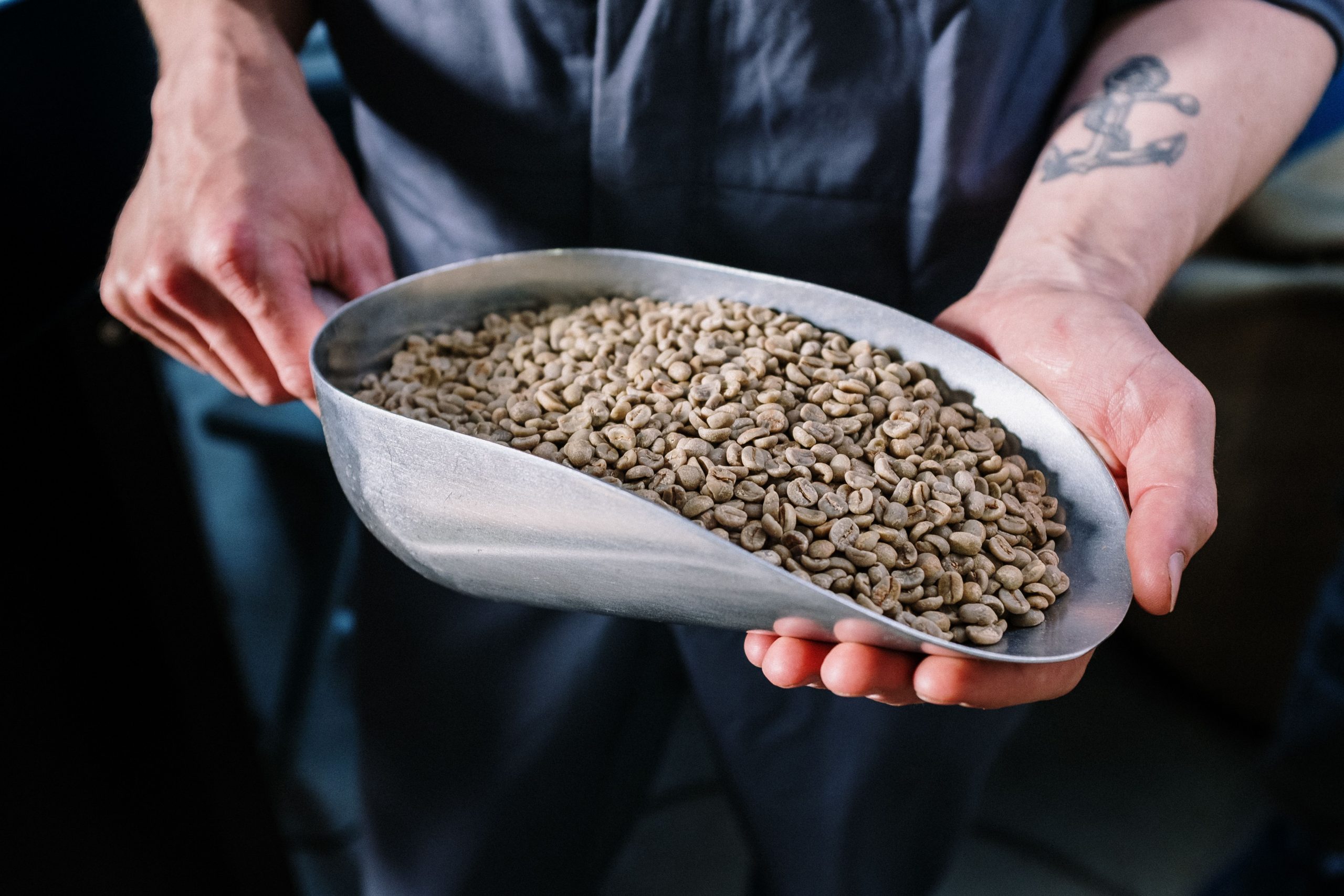
Coffee begins losing its volatile aromatic compounds the moment it’s roasted. By the time most grocery store coffee reaches your hands, it may be months old – and cold brew, with its gentle extraction, simply cannot compensate for stale beans.
Freshly roasted coffee, ideally consumed within 2–6 weeks of the roast date, gives cold brew the soluble compounds it needs to produce rich, complex flavor. We’ll come back to this point because it’s that important.
Light, Medium, and Dark Roast: Which Is Best for Cold Brew?
This is the question we get most often, and the truth is: all three roast levels can produce outstanding cold brew. The right choice depends on what you enjoy drinking.
Light Roast Cold Brew
What to Expect
Light roasts preserve the most of the bean’s original character. Cold brewing a high-quality light roast produces results that can be genuinely surprising – vibrant, nuanced, sometimes tea-like, with pronounced fruit and floral notes.
Ethiopian light roast cold brew, for example, can taste of hibiscus, ripe peach, and jasmine. Colombian light roast might offer tangerine brightness and delicate floral sweetness. It’s coffee that challenges the assumption that cold brew should always taste like chocolate.
Best For
Coffee enthusiasts who enjoy complexity, drink their cold brew black or with minimal additions, and want to explore the full spectrum of what high-quality coffee can taste like.
Watch Out For
Light roasts are less forgiving of low bean quality. If the coffee isn’t genuinely excellent, a light roast cold brew can taste thin, sour, or underdeveloped. This is where sourcing from a quality roaster makes all the difference.
Medium Roast Cold Brew
What to Expect
Medium roast is the sweet spot for most cold brew drinkers – and the roast level we most often recommend to customers new to home brewing. The development process creates natural caramelization that adds sweetness and body, while still preserving enough of the bean’s origin character to keep things interesting.
Expect caramel, milk chocolate, brown sugar, dried stone fruit, and a round, satisfying mouthfeel. Medium roast cold brew works beautifully straight, with cream, with oat milk, or as the base for cold brew cocktails.
Best For
Everyday cold brew, milk-based drinks, and anyone who wants a reliably delicious result without a steep learning curve. This is our most-recommended starting point.
If you’re ready to find your perfect medium roast match, you can buy coffee beans online directly from our Las Vegas roastery – many of our offerings are selected with cold brew performance in mind.
Dark Roast Cold Brew
What to Expect
Dark roasts bring intensity. The extended roasting process develops deep flavors of dark chocolate, molasses, roasted nuts, and bittersweet espresso-like richness. Cold brewing softens some of the roast’s harder edges – the acidity and astringency that can make dark roast hot coffee taste sharp – while preserving its satisfying depth and body.
The result is a cold brew concentrate that’s bold, lush, and indulgent.
Best For
Cold brew concentrate, cream-heavy drinks, coffee cocktails, and drinkers who want something that tastes unmistakably like coffee with serious backbone.
Watch Out For
Very dark roasts can taste flat, ashy, or one-dimensional in cold brew if they’re over-roasted or stale. Quality matters here as much as anywhere. If you love dark roast cold brew, invest in beans from a roaster who treats the dark end of the spectrum with care – not one who uses darkness to mask low-grade beans.
Why Freshly Roasted Coffee Is Non-Negotiable for Cold Brew
Let’s talk about freshness – because this is where most people’s cold brew falls short without them realizing it.
After roasting, coffee releases CO₂ through a process called degassing. In the first few days post-roast, this gassing-off is so active that it can interfere with extraction. After roughly 5–14 days, the coffee enters an optimal window: it’s settled enough to extract evenly and still packed with the soluble flavor compounds and aromatic oils that make coffee taste exceptional.
After several weeks, those compounds begin to oxidize and dissipate. The coffee still tastes like coffee, but the complexity, sweetness, and vibrancy fade. You’re left with something flat.
Cold brew is more sensitive to this degradation than hot brewing methods because there’s no heat to force extraction. A hot brew can extract adequately from moderately stale coffee. Cold brew cannot. It depends entirely on those compounds being present and accessible.
This is why the standard of fresh roasted coffee isn’t a marketing claim – it’s a measurable difference in your cup.
When you shop coffee beans online from a trusted coffee roaster, you’re buying coffee roasted to order, typically within days of shipping. Compare that to a grocery store bag sitting on a shelf with a “best by” date 12 months out. Both bags contain coffee. Only one of them contains great cold brew.
If you want a consistent supply of freshly roasted beans without having to remember to reorder, our coffee subscription delivers rotating single-origins and seasonal blends to your door on your schedule – no stale beans, no running out.
Expert Tips for Choosing Cold Brew Coffee at Home
Whether you’re just starting out or refining a process you’ve used for years, these recommendations will help you brew better cold brew consistently.
1. Always check the roast date. A roast date within the last 2–4 weeks is the sweet spot for cold brew. If a bag doesn’t list a roast date – only a “best by” date – that’s a red flag.
2. Buy whole beans. Pre-ground coffee loses aromatics rapidly after grinding. Whole beans preserve their flavor far longer, and grinding immediately before brewing makes a noticeable difference.
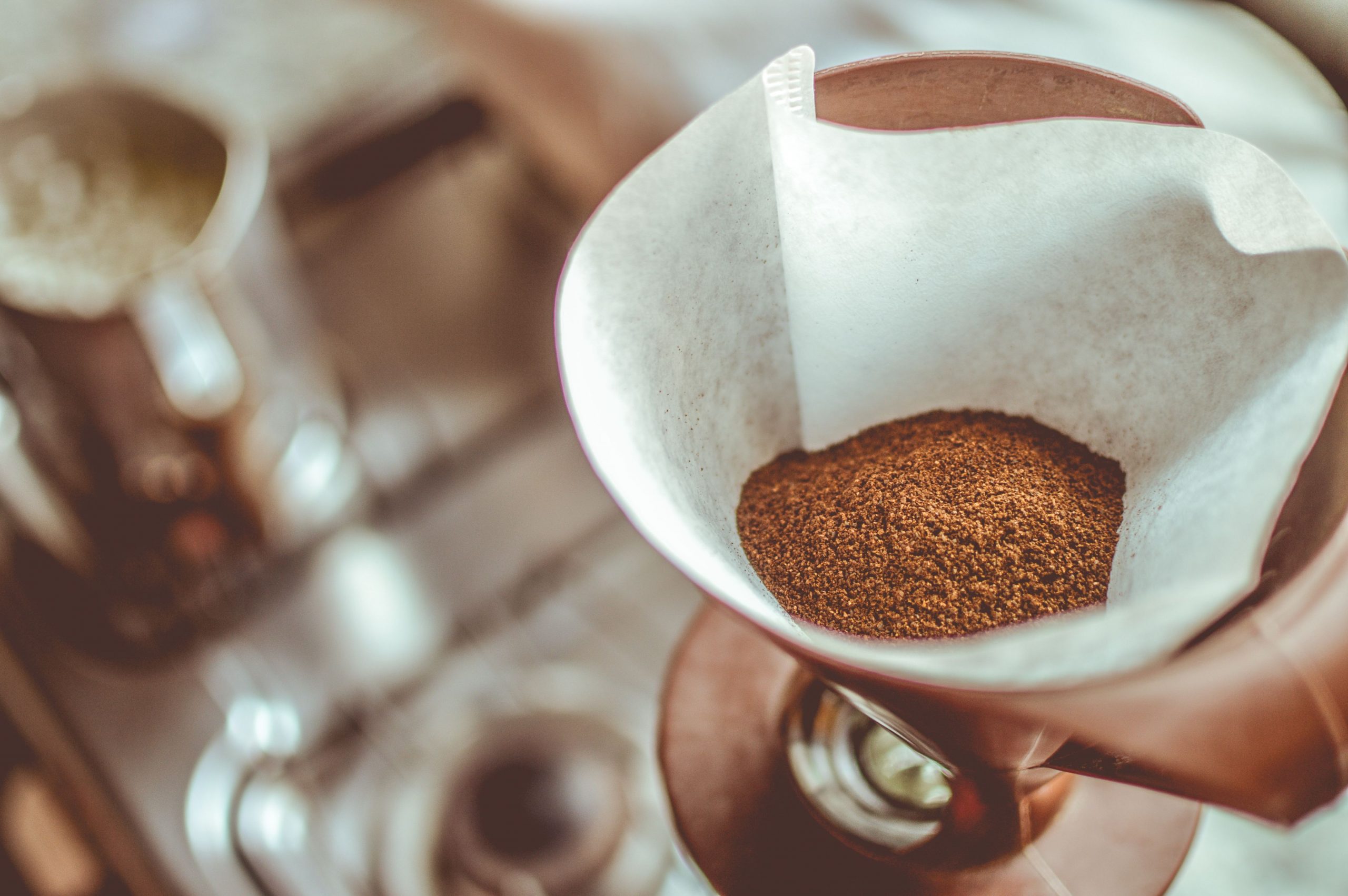
3. Grind coarse. Cold brew requires a coarser grind than any other method – think raw sugar or coarse sea salt. Too fine and you’ll over-extract and get bitterness; too coarse and the brew will taste thin and underdeveloped.
4. Use a 1:4 ratio for concentrate. One cup of coarsely ground coffee to four cups of cold filtered water makes a rich concentrate. Dilute to taste when serving. For ready-to-drink strength, use a 1:8 ratio.
5. Steep for 12–18 hours. Shorter steeps produce lighter, less extracted brews. Longer steeps add depth and intensity. Find your sweet spot through experimentation.
6. Consider organic coffee beans for cold brew. Clean-grown coffee without pesticide residue can make a genuine difference in a brewing method as gentle as cold brew – especially since you’re consuming the resulting concentrate in higher quantities than a standard drip cup. You can explore our selection of organic coffee beans to find single-origin and blend options that meet this standard.
7. Explore single-origin coffees. Once you’re comfortable with your process, single-origin cold brew is one of the most revelatory coffee experiences available. Brazilian cold brew and Ethiopian cold brew taste completely different from each other – both are extraordinary in their own way.
Frequently Asked Questions
What is the best coffee for cold brew?
The best coffee for cold brew is freshly roasted, high-quality coffee with a flavor profile that complements cold extraction – typically chocolatey, caramel-forward, or fruit-forward characteristics. Brazilian, Colombian, Guatemalan, and Ethiopian origins all perform exceptionally well. Medium roast is the most versatile starting point, but light and dark roasts both produce outstanding results depending on your preferences.
Is dark roast or light roast better for cold brew?
Neither is universally better. Dark roast produces bold, chocolatey cold brew with deep body. Light roast produces vibrant, complex cold brew with fruit and floral notes. Medium roast strikes a balance and is the most widely recommended for beginners. The best choice depends on how you like to drink your coffee and what flavor experience you’re after.
Does roast date matter for cold brew?
Yes – significantly. Cold brew’s gentle extraction process depends entirely on the volatile flavor compounds present in the bean. These compounds degrade over time after roasting. For the best cold brew, use beans within 2–6 weeks of their roast date. Always look for the roast date on the bag; if it’s not listed, the coffee may already be too old to perform well.
How much coffee do I use for cold brew?
A standard cold brew concentrate uses a 1:4 ratio – one cup of coarsely ground coffee to four cups of cold filtered water. Steep for 12–18 hours, then strain and dilute to taste (typically 1:1 with water, milk, or a milk alternative). For ready-to-drink cold brew, use a 1:8 ratio and skip the dilution step.
Can I use flavored coffee for cold brew?
You can, but it’s generally not recommended by experienced coffee roasters. Artificial flavorings added to coffee beans can become overpowering and chemically tasting when concentrated through cold extraction. If you want flavored cold brew, start with a high-quality natural coffee – a naturally sweet Brazilian or a naturally fruity Ethiopian – and add your own flavoring (vanilla extract, cinnamon, etc.) during or after brewing for far better results.
What grind size is best for cold brew?
Coarse – similar in texture to raw turbinado sugar or coarse sea salt. This allows for adequate extraction over the long steep time without over-extracting bitter compounds. If your cold brew tastes bitter, try grinding coarser. If it tastes thin or weak, try grinding slightly finer or extending your steep time.
Should I use filtered water for cold brew?
Yes. Cold brew requires a large volume of water, and tap water with chlorine, mineral imbalances, or off-flavors will translate directly into your concentrate. Filtered water is one of the simplest, cheapest upgrades you can make to your cold brew process – and it makes a real, perceptible difference.
Conclusion:
So, what is the best coffee for cold brew? Freshly roasted, high-quality coffee beans – ideally medium roast for versatility, or whatever roast level matches your taste preference – sourced from a roaster who treats every step of the process with intention.
At Cafe do Paraiso, every bean we roast is selected and developed with this standard in mind. Whether you prefer a bold dark roast concentrate or a delicate light roast single origin, we have something worth brewing.
Explore our full selection and buy coffee beans online – or lock in freshness and convenience with a coffee bean subscription that keeps great cold brew in your fridge year-round.