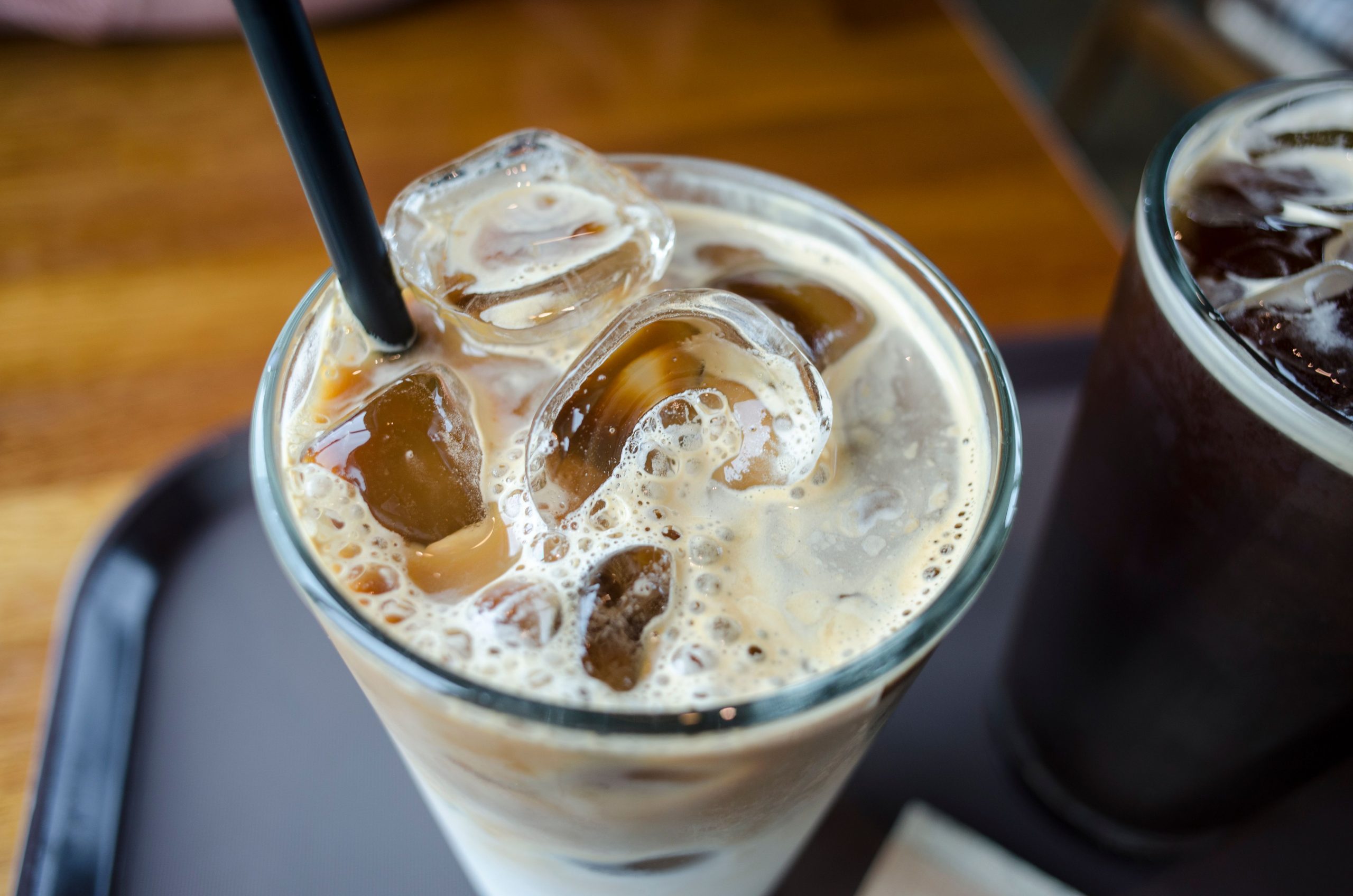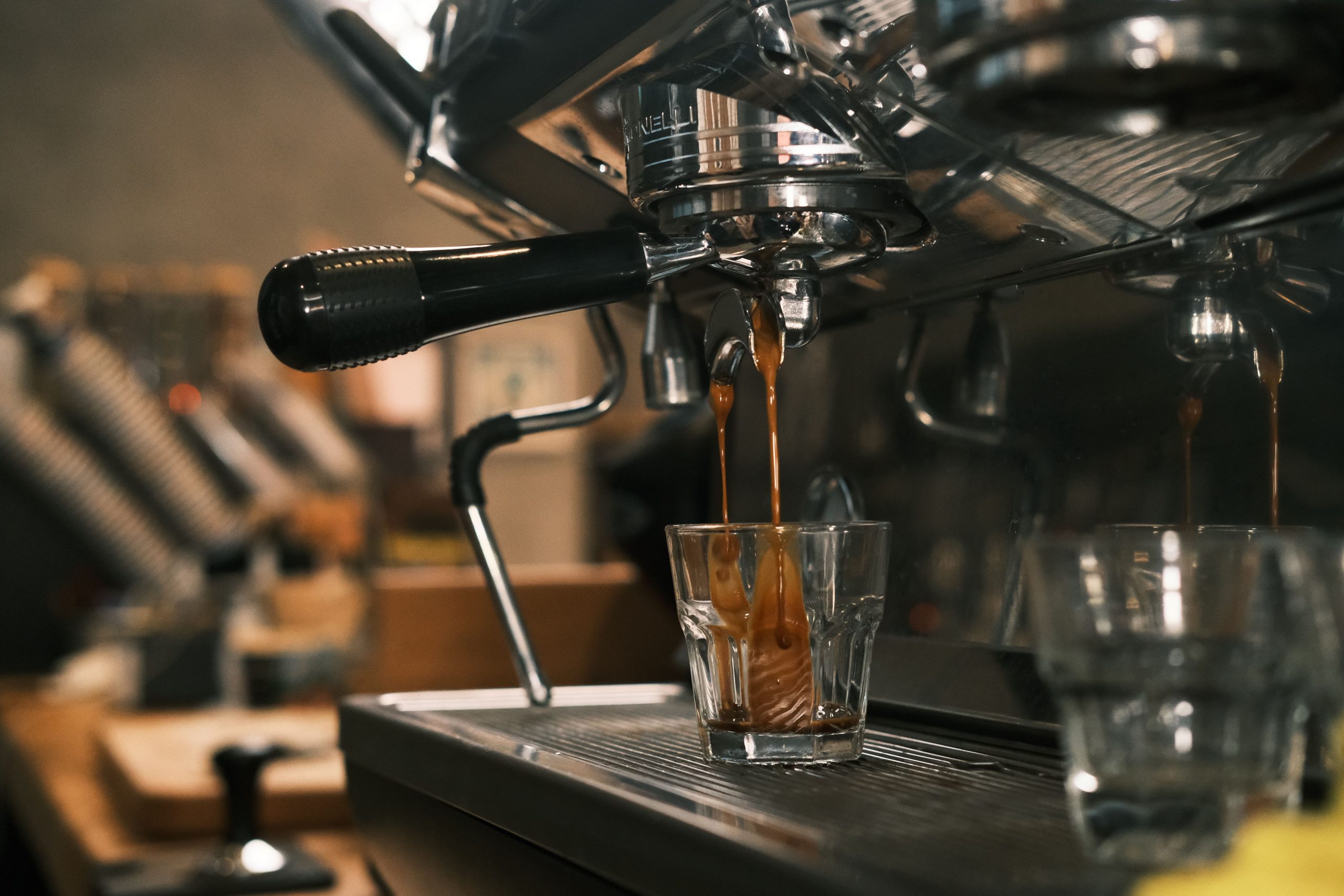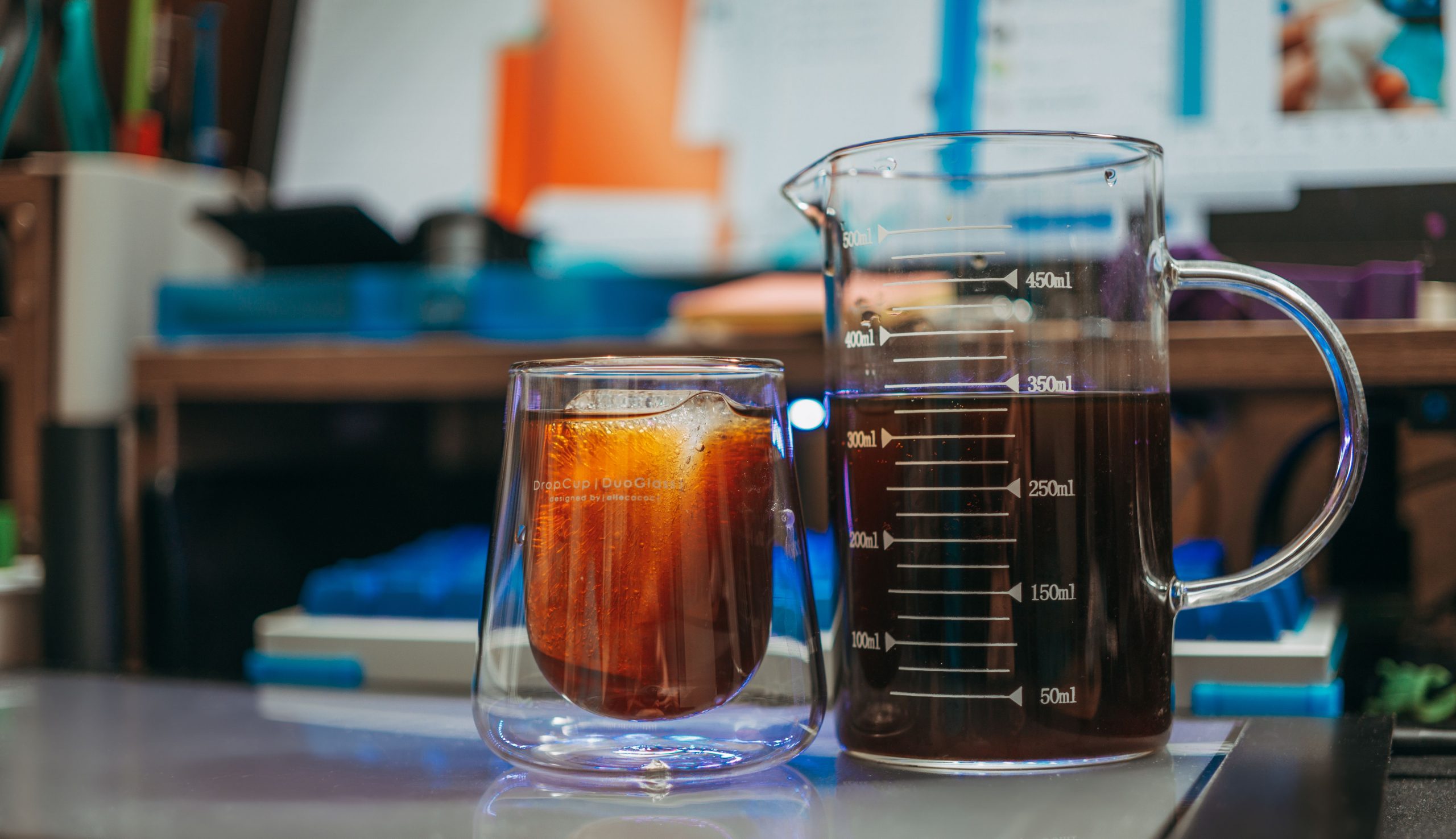
Ask ten cold brew drinkers what makes their brew perfect, and nine of them will mention flavor, smoothness, or strength. Ask a specialty coffee roaster, and the answer is almost always the same: the ratio.
The cold brew coffee ratio – the proportion of ground coffee to water – is the single most controllable variable in your brew. Get it right, and even a simple mason jar batch can rival what you’d pay six dollars for at a café. Get it wrong, and no amount of time, fancy equipment, or premium beans will save it.
At Cafe do Paraiso, we’ve roasted and brewed thousands of cold brew batches using fresh roasted coffee sourced from farms across Ethiopia, Colombia, Brazil, and beyond. This guide distills everything we know about ratios into one practical, no-fluff resource – whether you’re brewing your first batch or troubleshooting your tenth.
Why the Coffee-to-Water Ratio Is the Foundation of Great Cold Brew
What Ratio Actually Controls
Hot coffee relies on temperature to drive extraction. Cold brew has no such shortcut. With water sitting at refrigerator temperatures for 16 to 24 hours, the ratio of coffee to water becomes the primary lever controlling how much flavor, caffeine, and body ends up in your cup.
A ratio that’s too low – say, 1 part coffee to 12 parts water – produces a brew that’s thin, watery, and almost flavorless regardless of how long you steep it. A ratio that’s too high compresses too many soluble compounds into too little water, which can produce a syrupy, harsh, or unpleasantly intense result.
The goal is to find the sweet spot where extraction is complete, flavor is balanced, and the brew suits your personal preference for strength and use.
The Three Things Ratio Affects Most
Strength and caffeine: A higher coffee-to-water ratio means more caffeine and a bolder cup. Concentrate ratios can contain two to three times the caffeine of standard ready-to-drink cold brew.
Sweetness and mouthfeel: Quality beans brewed at the right ratio develop a natural sweetness and silky body during the cold steep. Too much dilution strips this away; too little water makes it dense and cloying.
Flexibility: A concentrate can be diluted to match any preference. A ready-to-drink batch is locked in at its brewed strength, giving you less room to adjust after the fact.
The Best Cold Brew Coffee Ratios for Every Brewer
For Beginners: The 1:8 Ratio
1 part coffee : 8 parts water
The 1:8 ratio is the most widely recommended starting point for homemade cold brew coffee and for good reason – it’s forgiving, balanced, and produces a smooth, medium-bodied cup that works beautifully straight over ice.
Practical Measurements at 1:8
| Batch Size | Coffee (grams) | Water |
|---|---|---|
| Small (1 Jar) | 75g | 600ml |
| Medium | 100g | 800ml |
| Large | 150g | 1,200ml |
| 1 Liter Batch | 125g | 1,000ml |
If you don’t own a kitchen scale yet, a reliable approximation is 1 heaping tablespoon of coarsely ground coffee per 4 ounces of water.
For Experienced Drinkers: The 1:6 Ratio
1 part coffee : 6 parts water
Once you’re comfortable with cold brew and want more depth and body, the 1:6 ratio produces a noticeably stronger cup while remaining fully drinkable without dilution. Many specialty coffee enthusiasts settle here permanently – it’s bold enough to stand up to milk or oat milk without losing character.
Practical Measurements at 1:6
| Batch Size | Coffee (grams) | Water |
|---|---|---|
| Small | 100g | 600ml |
| Medium | 150g | 900ml |
| 1 Liter Batch | 166g | 1,000ml |
Cold Brew Concentrate Ratios: Brew Once, Serve All Week
What Makes a Cold Brew Concentrate Different
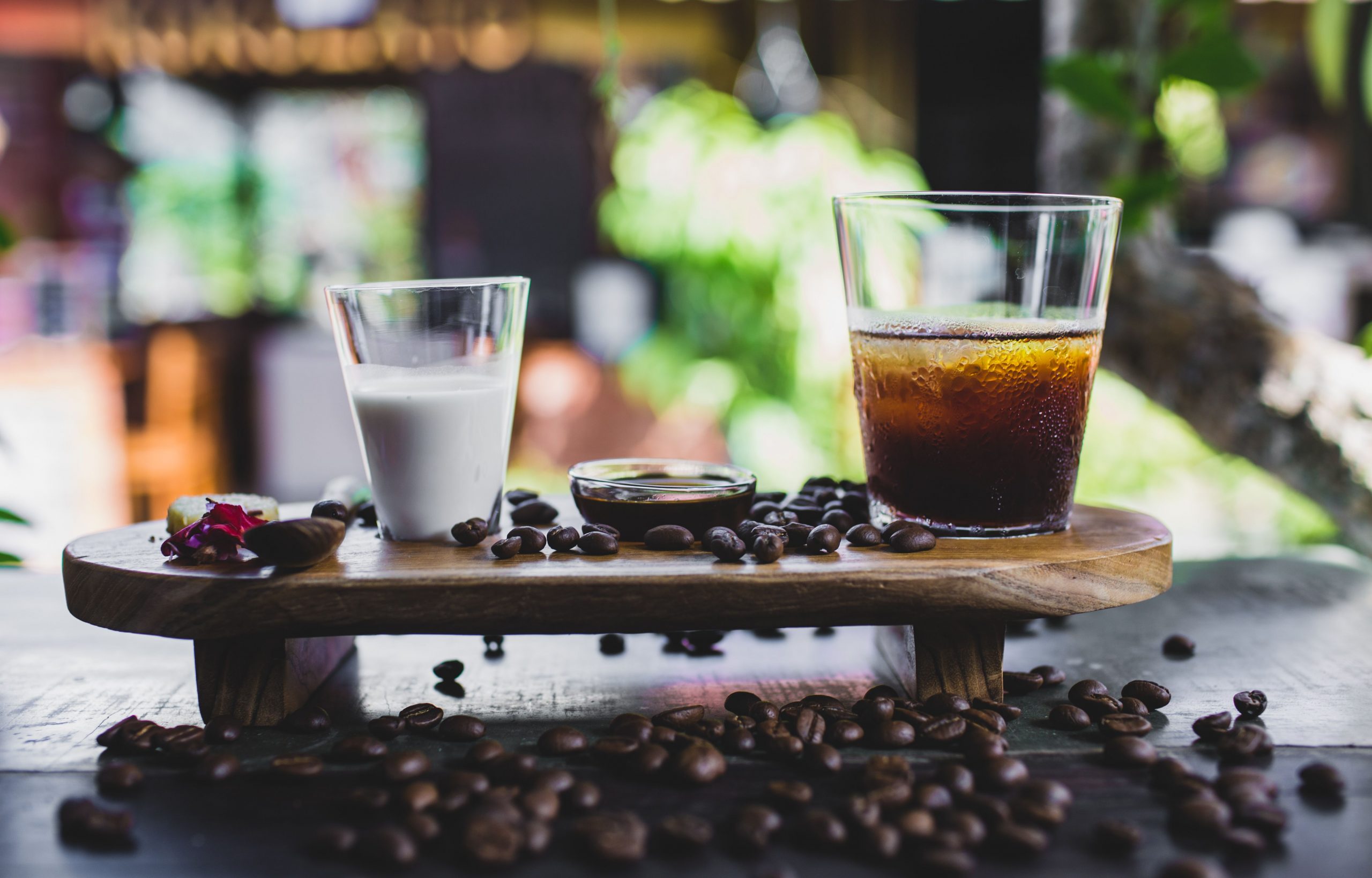
A cold brew concentrate is intentionally brewed at a high coffee-to-water ratio so it can be diluted to taste at serving time. This approach has several real advantages for home brewers:
- One batch produces more servings than the same volume of ready-to-drink cold brew
- You can adjust strength per glass – lighter one morning, stronger the next afternoon
- Concentrate stores longer in the refrigerator (up to two weeks)
- It’s more economical with refrigerator space
Standard Concentrate: The 1:4 Ratio
1 part coffee : 4 parts water
The 1:4 ratio is the most common concentrate standard among home brewers and small cafes. After brewing, dilute with an equal part of water, milk, or plant milk before serving.
Practical Measurements at 1:4
| Batch Size | Coffee (grams) | Water |
|---|---|---|
| Small | 100 g | 600 ml |
| Medium | 150 g | 900 ml |
| 1 Liter Batch | 166 g | 1,000 ml |
Dilution guide: Start with a 1:1 ratio (equal parts concentrate and liquid). Adjust from there – more concentrate for a stronger cup, more liquid for something lighter.
Barista-Strength Concentrate: The 1:3 Ratio
1 part coffee : 3 parts water
This is the ratio professional cold brew operations and high-volume cafes use for maximum batch efficiency. The resulting concentrate is intensely strong and should be diluted at roughly 1 part concentrate to 2–3 parts liquid before drinking.
At this ratio, bean quality matters more than ever. The extreme concentration amplifies both the best and worst qualities in your coffee. This is where investing in genuinely specialty-grade, freshly roasted beans pays off most visibly – consider picking up a bag through our coffee subscription to ensure you always have the right beans on hand.
The Ready-to-Drink vs. Concentrate Decision
Not sure which direction to go? Here’s a simple framework:
Choose ready-to-drink (1:8 or 1:6) if:
- You drink cold brew consistently at the same strength
- You prefer a simpler process with no dilution step
- You’re new to cold brew and want predictable results
Choose concentrate (1:4 or 1:3) if:
- Different household members prefer different strengths
- You want to use cold brew in lattes, cocktails, or cooking
- You want to maximize how long a batch lasts in the refrigerator
How to Measure Cold Brew Coffee Accurately
Always Weigh Your Coffee
The single most impactful measurement habit you can develop is weighing your coffee in grams rather than measuring by volume. Here’s why this matters so much:
A cup of finely ground coffee can weigh 30–40% more than a cup of coarsely ground coffee. Since cold brew requires a coarse grind, using a volume measurement based on a typical coffee scoop (calibrated for drip-grind coffee) will leave you with far less coffee than your intended ratio specifies.
A basic kitchen scale costs very little and removes the most common source of batch-to-batch inconsistency in homemade cold brew.
The Water Absorption Factor
Coffee grounds absorb approximately 1–2ml of water per gram during steeping. For a 100g batch using 800ml of water, expect a final yield of roughly 700–750ml. Plan for this when brewing for a specific serving volume.
Common Mistakes When Measuring Cold Brew Ratios
Using Too Fine a Grind
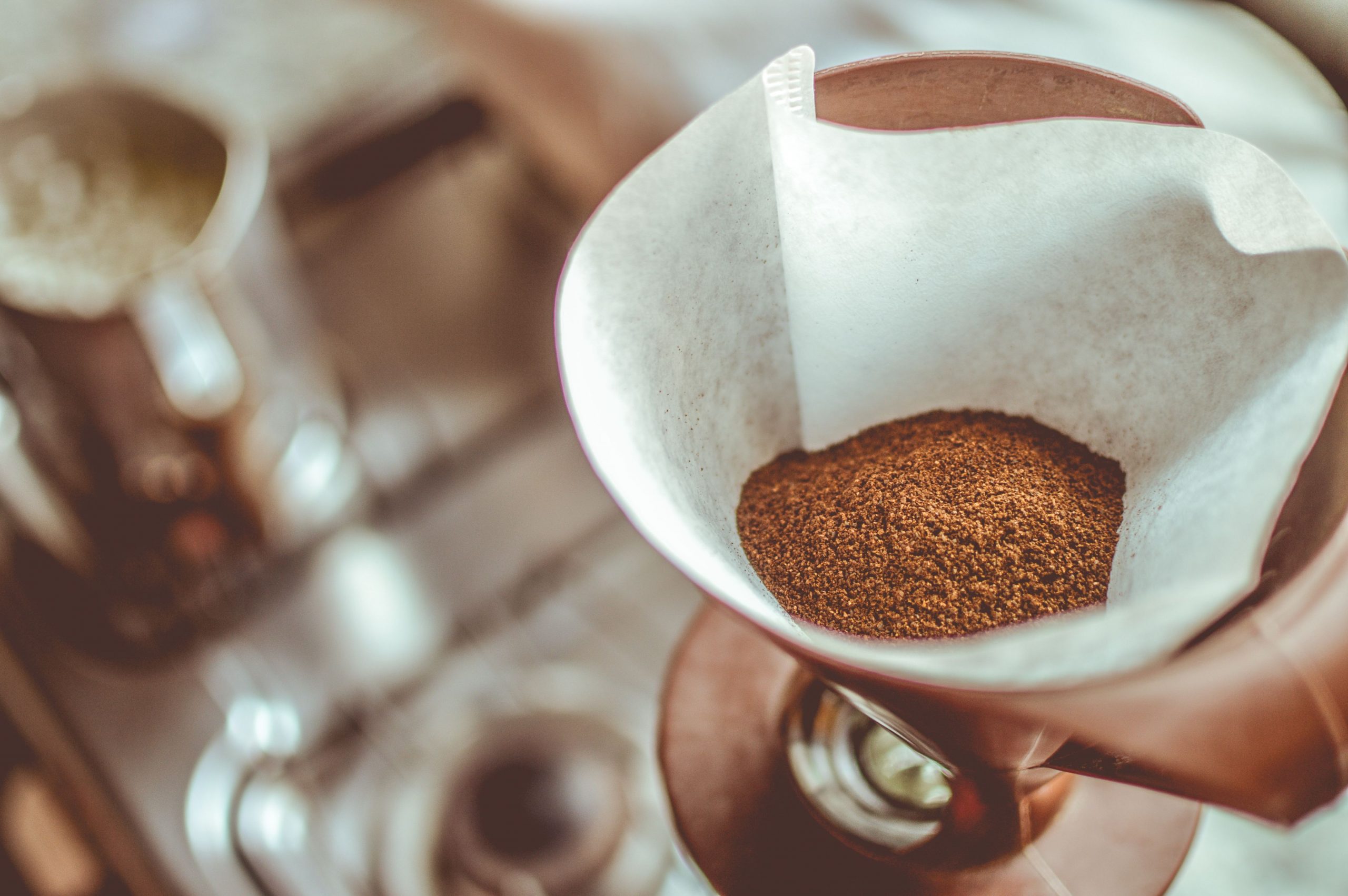
Grind size and ratio interact directly. Cold brew requires a coarse grind – roughly the texture of raw sugar or coarse sea salt. A fine or medium grind extracts significantly faster during the long cold steep, and even a perfectly calibrated 1:8 ratio will produce an over-extracted, bitter result if the grind is wrong.
Eyeballing Instead of Measuring
“About a handful” or “fill it up to here” are not ratios. Inconsistent measurement is the most common reason home brewers get inconsistent results. Even approximate weight measurements (a kitchen scale set to grams) dramatically outperform eyeballing.
Ignoring Water Quality
The water in your cold brew is not a neutral background ingredient – it’s 85–90% of what’s in the glass. Hard water with high mineral content or tap water with noticeable chlorine will mute the subtle flavors that quality coffee develops during a cold steep. Use filtered water whenever possible.
Starting With Stale Beans
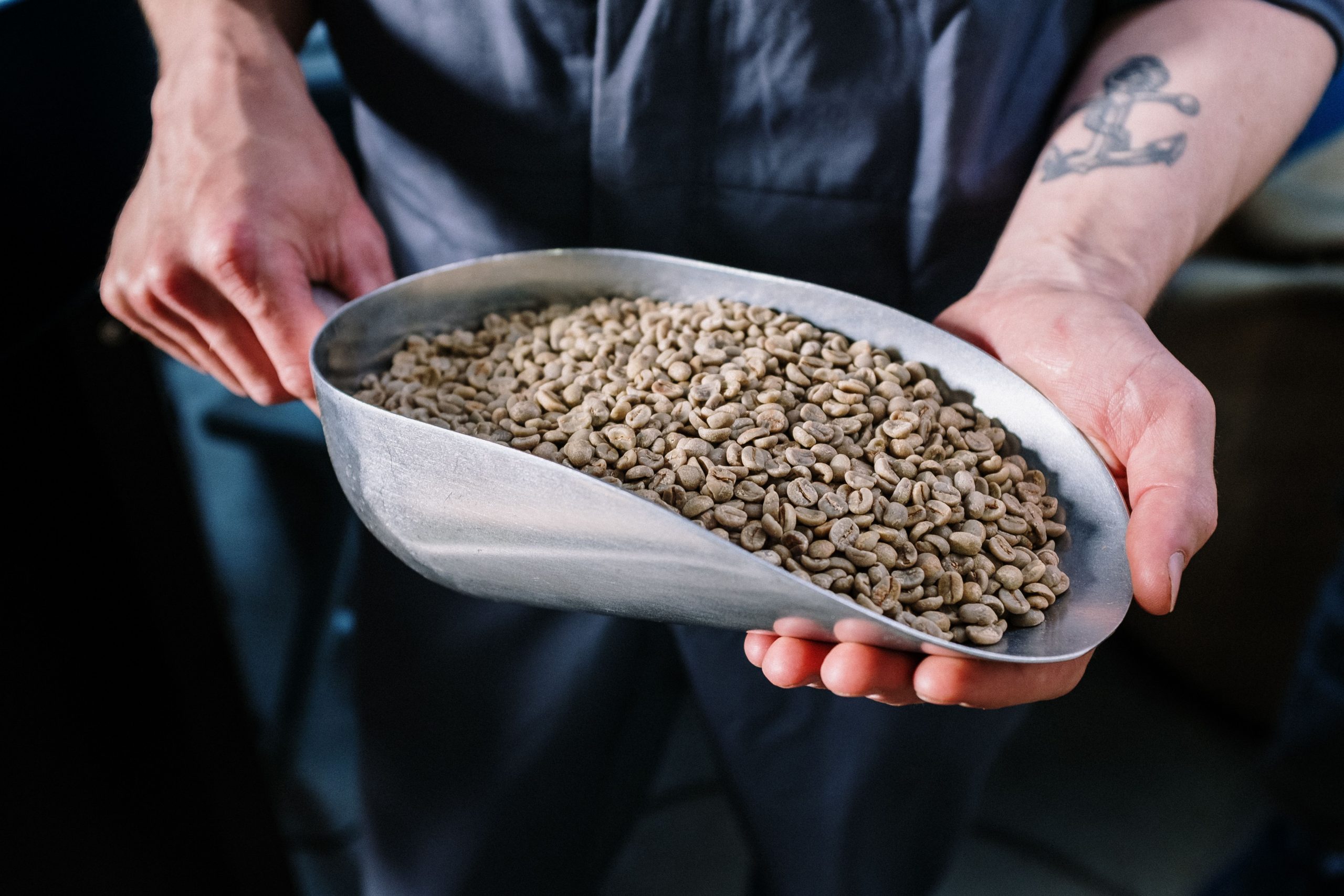
No ratio compensates for stale coffee. Cold brew that tastes flat, papery, or one-dimensional is almost always a freshness problem, not a ratio problem. Freshly roasted beans brewed at 1:8 will consistently outperform stale beans brewed at any ratio. Shop coffee beans online and check the roast date before every purchase.
Step-by-Step Cold Brew Recipe (1:8 Ready-to-Drink)
This simple cold brew recipe works with any vessel – mason jar, pitcher, or French press.
What you need:
- Kitchen scale
- 100g coarsely ground coffee
- 800ml cold filtered water
- Fine mesh strainer + cheesecloth or paper coffee filter
- Sealed glass jar or pitcher for storage
Steps:
- Add 100g of coarsely ground coffee to your brewing vessel
- Pour about 50ml of water over the grounds and let them rest for 30 seconds – this brief bloom degases fresh coffee and improves clarity
- Add the remaining 750ml of filtered water, stirring gently to saturate all grounds
- Cover the vessel and refrigerate for 16–24 hours
- Strain through a fine mesh strainer into a clean container; for a cleaner brew, line the strainer with cheesecloth or a paper filter
- Store in a sealed glass jar; serve over ice within 7–10 days
Troubleshooting Your Cold Brew
The brew tastes weak and watery. Increase your ratio – move from 1:8 to 1:6 or try 1:5. Alternatively, extend your steep time by 4–6 hours.
The brew tastes bitter or harsh. Your grind may be too fine, or you’ve over-steeped. Pull the batch at 16–18 hours next time, and confirm your grinder is set to coarse. A lower ratio (1:9 or 1:10) can also reduce intensity.
The brew is cloudy. Double-filter through a paper coffee filter after straining. Some cloudiness is normal and harmless; excessive cloudiness indicates fine ground particles passed through.
The brew tastes flat, with no sweetness or complexity. This is almost always a freshness issue. Quality cold brew has natural sweetness and vibrant flavor notes. If yours tastes dull, switch to fresher beans – look for a roast date on the bag, ideally within 2–4 weeks of purchase.
Frequently Asked Questions
What is the best ratio for cold brew coffee?
The best cold brew coffee ratio for most people is 1:8 (1 part coffee to 8 parts water by weight). This produces a balanced, ready-to-drink brew with smooth flavor and moderate strength. For a concentrate designed to be diluted before drinking, use 1:4.
How much coffee do I need for 1 liter of cold brew?
For a 1:8 ready-to-drink ratio, use 125g of coarsely ground coffee per 1 liter of water. For a 1:4 concentrate, use 250g of coffee per liter of water, then dilute 1:1 before serving.
Should I brew cold brew in the fridge or at room temperature?
Both work. Room-temperature brewing is faster (12–15 hours) but slightly increases the risk of over-extraction. Refrigerator brewing is slower (18–24 hours) and produces a cleaner, more controlled result. For beginners, refrigerator brewing is recommended.
Does the type of coffee bean affect which ratio I should use?
Yes, somewhat. Lighter roasts tend to require a slightly higher coffee dose or longer steep to achieve comparable extraction to medium or dark roasts. If you’re using a delicate light roast, consider a 1:7 ratio as a starting point rather than 1:8.
Why does my homemade cold brew taste different each time?
Inconsistency almost always comes from one of three sources: variable grind size, inconsistent measurement, or fluctuating steep time. Standardize all three – use a scale, grind consistently coarse, and set a timer – and your batches will become dramatically more repeatable.
How long does cold brew last in the refrigerator?
Ready-to-drink cold brew keeps for 7–10 days in a sealed glass container in the refrigerator. Cold brew concentrate keeps for up to 14 days. Never leave cold brew at room temperature after brewing.
Can I reuse cold brew grounds for a second batch?
Technically possible, but not recommended. Cold brew grounds that have already steeped for 16–24 hours have given up most of their soluble flavor compounds. A second batch from the same grounds will be weak, flat, and lacking complexity.
Actionable Takeaways
Mastering the cold brew coffee ratio doesn’t require advanced equipment or years of experience. It requires three things: consistency, good measurement habits, and quality beans.
Start here:
- Beginners: Use the 1:8 ratio with 100g of coarsely ground coffee per 800ml of filtered water. Steep in the refrigerator for 18–20 hours.
- Intermediate brewers: Try the 1:6 ratio for a bolder, more complex cup that holds up to milk and ice.
- Concentrate enthusiasts: Brew at 1:4, then dilute 1:1 at serving time for the most flexible, efficient batch brewing.
- Always measure by weight, not volume, for consistent results.
- Prioritize freshness – a great ratio with stale beans will always underperform a standard ratio with freshly roasted coffee.
The best cold brew you’ve ever made is one great batch away. A coffee bean subscription from Cafe do Paraiso delivers freshly roasted, specialty-grade coffee on your schedule – so the beans are never the limiting factor. Browse our full selection, find your ideal roast, and brew something exceptional.