If you’ve ever brewed the same bag of beans two different ways and ended up with two completely different cups, grind size is probably the reason. One cup tastes bright and balanced. The other tastes sour, weak, or oddly bitter. Same coffee, same water, sometimes even the same brewer – but the grind was off.
So why does grind size affect coffee flavor so much? The short answer: grind size controls how fast water pulls flavor out of coffee grounds. Change the particle size, and you change the extraction speed. Change the extraction speed without adjusting your brew time, and you end up with a cup that’s either under-extracted or over-extracted.
This guide breaks down the science in plain language, walks through the right grind for every major brewing method, and shows you how to fix a bad cup by adjusting one variable instead of guessing.
Why Does Grind Size Affect Coffee Flavor?
Coffee flavor comes from extraction – the process of water dissolving soluble compounds out of ground coffee. Acids, sugars, and bitter compounds all dissolve at different rates. Acids and lighter flavor notes come out first. Sweetness follows. Bitter compounds are the last to dissolve in meaningful amounts.
Grind size determines how quickly water can get at those compounds. A fine grind exposes more surface area per gram of coffee, so water pulls flavor out fast. A coarse grind exposes less surface area, so extraction happens slowly. This is the core reason grind size and taste are so closely linked – it’s not really about the grind size itself, it’s about how much surface area that grind size creates and how fast water can extract through it.
If your grind size doesn’t match your brew method’s contact time, you’ll pull out the wrong ratio of acids, sugars, and bitter compounds – even with excellent beans.
The Science Behind Grind Size and Extraction
Surface Area Controls Extraction Speed
Picture a whole coffee bean sitting in hot water for five minutes. Almost nothing happens – the surface area is too small for water to extract much of anything. Now picture that same bean ground into powder. The surface area explodes, and extraction happens almost instantly.
This is the basic principle behind every grind size decision. Finer particles mean more total surface area exposed to water, which means faster extraction. Coarser particles mean less surface area, which means slower extraction. Every brewing method is built around matching a grind size to how long the water and coffee will actually be in contact.
What Over-Extraction From Too Fine a Grind Tastes Like
When the grind is too fine for the brew method, water pulls out compounds faster than intended. By the time brewing finishes, it has already extracted the acids and sugars and moved on to pulling out excessive bitter and astringent compounds.
Over-extracted coffee tends to taste:
- Bitter, sometimes in a way that lingers on the tongue
- Harsh or ashy
- Dry or chalky in the mouth (astringency)
- Muted, with fruit or floral notes buried under bitterness
This is one of the most common wrong grind size coffee problems, and it’s often mistaken for “bad beans” when it’s really just a grind adjustment away from fixing.
What Under-Extraction From Too Coarse a Grind Tastes Like
When the grind is too coarse, water moves through the coffee bed too quickly to pull out enough of the sweeter, more soluble compounds. Brewing ends before the coffee has given up much beyond its brightest, most acidic notes.
Under-extracted coffee tends to taste:
- Sour or sharp, sometimes described as vinegary
- Thin or watery
- Salty in an odd, unpleasant way
- Lacking sweetness, even from beans that are naturally sweet
If you’ve ever wondered does a coarser grind make coffee taste sour or weak, this is the mechanism. It’s not that coarse grinds are inherently sour – it’s that they slow extraction down, and if your brew time doesn’t compensate, the process stops before enough flavor develops.
Why Contact Time and Grind Size Have to Match
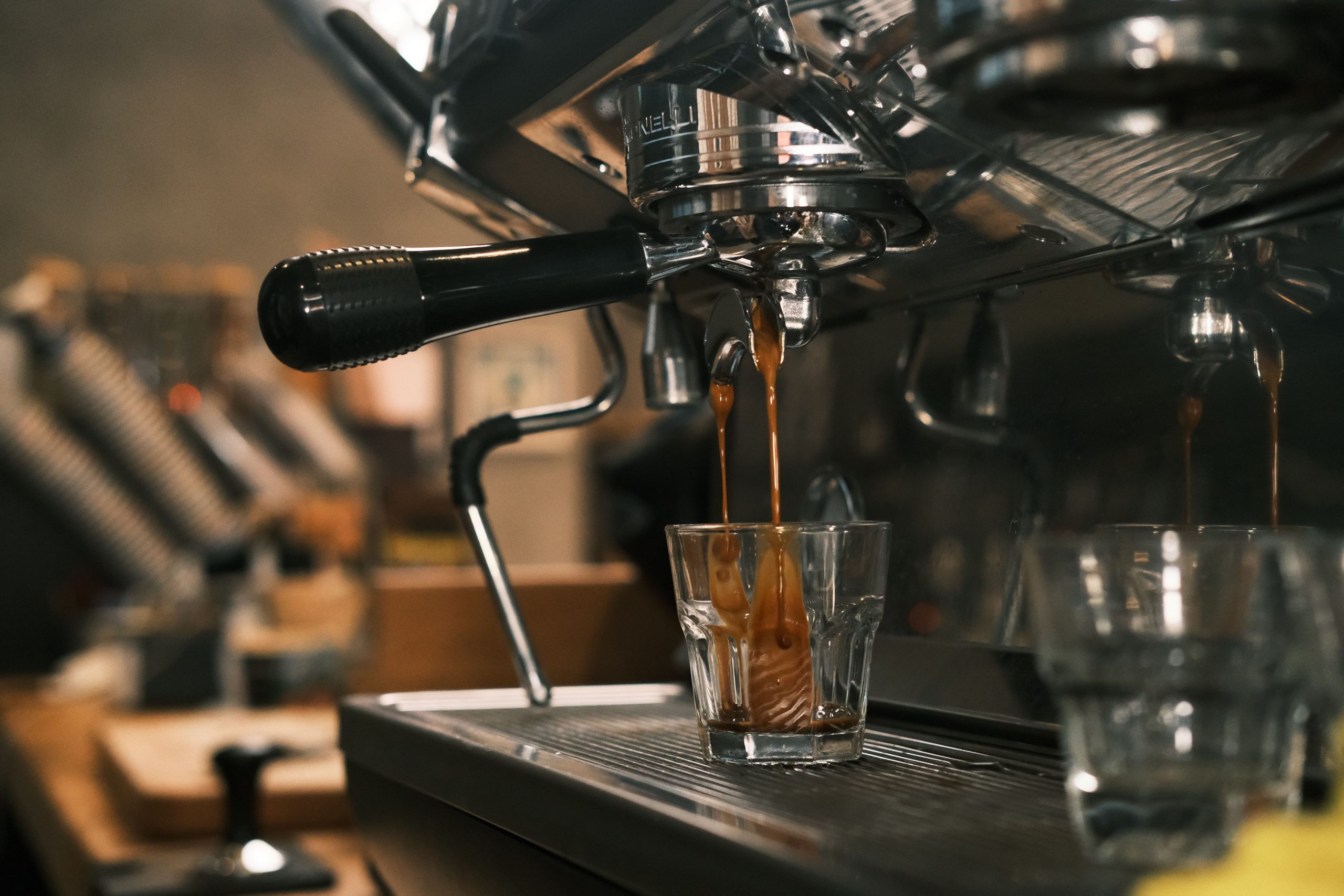
Every brewing method has a built-in contact time. Espresso pushes water through coffee in roughly 25–30 seconds. A French press steeps grounds for several minutes. Cold brew steeps for 12–24 hours.
Grind size exists to control extraction speed so it matches that contact time. Espresso needs a fine grind because it only has seconds to extract. Cold brew needs a coarse grind because it has many hours – a fine grind over that much time would extract far past the point of balance and taste harsh and bitter.
This is why the same grind setting that works beautifully for one method can ruin coffee brewed a different way. The grind and the contact time are a matched pair, not independent choices.
Does Grind Size Matter More Than Brew Time or Water Temperature?
Grind size, brew time, and water temperature all affect extraction, but grind size is usually the biggest lever – and the easiest one to get wrong by a wide margin.
Water temperature typically stays within a narrow range for good extraction, generally between 195°F and 205°F (90–96°C). Brew time varies more by method, but most home brewers keep it fairly consistent once they find a routine. Grind size, on the other hand, can vary enormously between too fine and too coarse, and a small adjustment produces a noticeably different cup.
In practice, most bad-tasting coffee traces back to grind size before it traces back to water temperature. If your coffee tastes off, adjusting grind size is usually the fastest path back to a balanced cup, with brewing temperature and coffee-to-water ratio as secondary checks once grind size is dialed in.
What Grind Size Works Best for Each Brewing Method
Different brew methods need different grind sizes because they give water a different amount of contact time. Here’s how that plays out in practice.
| Brewing Method | Grind Size | Texture Comparison | Typical Contact Time |
| Espresso | Fine | Similar to table salt or fine sand | 25–30 seconds |
| AeroPress | Medium-fine to fine | Slightly coarser than table salt | 1–2 minutes |
| Pour Over | Medium | Similar to coarse sand | 2.5–4 minutes |
| Drip Coffee Maker | Medium | Similar to coarse sand | 4–6 minutes |
| French Press | Coarse | Similar to sea salt or breadcrumbs | 4 minutes |
| Cold Brew | Extra coarse | Similar to peppercorns | 12–24 hours |
Espresso
Espresso forces hot water through tightly packed coffee in under half a minute, so it needs a fine grind to create enough resistance and surface area for proper extraction in that short window. Too coarse, and the shot runs too fast, tasting sour and thin. Too fine, and it can choke the machine or over-extract into harsh bitterness.
AeroPress
The AeroPress is flexible – it can handle a range of grind sizes depending on your recipe, but most methods land on medium-fine to fine, closer to table salt. Shorter steep times call for a finer grind; longer steeps can use a slightly coarser one.
Pour Over
Pour over methods like a V60 or Chemex rely on a medium grind, similar to coarse sand. Water flows through by gravity, so the grind needs to be fine enough to extract well but coarse enough to avoid clogging the filter and slowing the pour to a crawl.
Drip Coffee Maker
Standard drip machines use a similar medium grind to pour over, since both rely on gravity-fed water moving through a filter over several minutes.
French Press
French press uses full immersion with no filter to catch fine particles, so a coarse grind is essential. Anything finer creates muddy sediment at the bottom of the cup and can push extraction into bitter territory during the four-minute steep.
Cold Brew
Cold brew steeps for half a day or more without heat, so it needs the coarsest grind of any common method. Because there’s no heat to speed up extraction, the long steep time does the work instead – but only if the grind is coarse enough to prevent over-extraction and excessive bitterness by the time it’s ready.
Coffee Grind Sizes
A reliable Café do Paraíso Adjustable Burr Grinder makes it much easier to move between these grind sizes accurately, especially if you brew more than one way during the week.
Grind Consistency: Why Uniform Particles Matter
Grind size is only half the story. Grind consistency – how uniform the particles are – matters just as much.
Blade Grinders vs. Burr Grinders
Blade grinders chop coffee with a spinning blade, similar to a small food processor. The result is a mix of particle sizes: some pieces are practically powder, others are closer to gravel, all in the same batch. Burr grinders crush coffee between two abrasive surfaces set at a fixed distance apart, producing particles that are far more uniform in size.
This difference explains why the same coffee, ground on a blade grinder versus a burr grinder, can taste completely different even when the grind setting is aimed at the same target. With a blade grinder, the fine particles over-extract while the coarse particles in the same batch under-extract – at the same time, in the same brew. You end up with a cup that’s simultaneously bitter and sour, because you’re essentially brewing two different grind sizes at once.
Why Uneven Extraction Happens
Uneven particle size means uneven extraction. The tiny fragments release their flavor almost immediately and keep extracting well past the point of balance. The larger chunks barely extract at all. What lands in your cup is a blend of over-extracted and under-extracted coffee, which tends to taste muddled, harsh in some ways and thin in others, rather than clean and balanced.
This is one reason burr grinders are considered a serious upgrade for anyone who wants consistent results. A Café do Paraíso Conical Burr Grinder produces the kind of uniform grind consistency that lets you actually taste what your beans are capable of, rather than fighting inconsistent particle size batch after batch.
Coffee Grinders
How to Tell If Your Grind Size Is Wrong
Your taste buds are the best diagnostic tool you have. Here’s how to read the signals.
Your coffee tastes sour or sharp. This usually points to under-extraction from too coarse a grind, though it can also mean your water wasn’t hot enough or your brew time was too short.
Your coffee tastes bitter or harsh. This usually points to over-extraction from too fine a grind, though water that’s too hot or a brew time that’s too long can contribute as well.
Your coffee tastes weak or watery. Often a coarse grind combined with a fast brew time, though it can also signal too little coffee relative to water.
Your coffee tastes muddled or inconsistent from cup to cup. This points to grind consistency problems rather than grind size itself, especially if you’re using a blade grinder.
Your espresso shot pulls too fast or too slow. A shot that finishes in under 20 seconds usually means the grind is too coarse. A shot that drags past 35–40 seconds or barely drips usually means the grind is too fine.
How to Fix Common Grind Size Mistakes
- Identify the flavor problem first. Taste the coffee and note whether it leans sour, bitter, weak, or harsh before touching your grinder.
- Make one adjustment at a time. Move your grind setting slightly finer or coarser – not both grind and brew time in the same test, or you won’t know which change fixed the problem.
- Brew a small batch to test. A single cup or a short espresso shot is enough to check the change without wasting a full pot of beans.
- Taste again before changing anything else. If the cup still tastes off, adjust further in the same direction rather than switching directions.
- Keep water temperature and coffee-to-water ratio steady while you test. Isolating grind size as the only variable makes troubleshooting far faster.
- Write down what worked. Once you land on a grind setting that produces a balanced cup for a specific bean and method, note it down. Different roast levels and origins often need slightly different settings.
Quick tip: If a cup tastes sour, grind finer. If a cup tastes bitter, grind coarser. That single rule solves the majority of grind size and taste complaints.
Common Grind Size Mistakes to Avoid
- Using one grind setting for every brew method. Espresso, pour over, and French press all need different grind sizes because they give water different amounts of contact time.
- Grinding coffee too far in advance. Ground coffee loses aroma and freshness quickly, and grind size can’t fix beans that have already gone stale.
- Ignoring grind consistency. A cheap blade grinder can make it nearly impossible to dial in flavor no matter how carefully you adjust the setting.
- Changing grind size and brew time at once. This makes it impossible to tell which change actually fixed – or worsened – the cup.
- Assuming the beans are bad when the grind is the real issue. Plenty of good coffee gets blamed for a flavor problem that’s really about extraction, not bean quality.
- Not adjusting grind size for roast level. Darker roasts are generally more porous and extract faster, so they often need a slightly coarser grind than lighter roasts to avoid tipping into bitterness.
Does Grind Size Need to Change for Different Roast Levels?
Yes, though the adjustment is usually modest. Darker roasts are more brittle and porous, which means they tend to extract faster than lighter roasts at the same grind setting. Many home brewers grind darker roasts slightly coarser to avoid over-extraction and the harsh, ashy bitterness that dark roast beans can develop if ground too fine.
Lighter roasts are denser and extract more slowly, so they can often handle a slightly finer grind – or a slightly longer brew time – to develop full sweetness and avoid tasting sour or under-extracted.
This isn’t a strict rule, since bean origin, freshness, and moisture content all play a role too. But it’s worth treating roast level as one more input when you’re fine-tuning grind size, alongside brew method and personal taste. If you’re exploring different roast levels, our Café do Paraíso Single-Origin Medium Roast is a good baseline for testing grind adjustments, since medium roasts tend to be more forgiving than very light or very dark ones while you dial things in.
Frequently Asked Questions
Can the wrong grind size ruin good coffee beans?
Yes. Even excellent, freshly roasted beans will taste sour, bitter, weak, or harsh if the grind size doesn’t match the brewing method’s contact time. Grind size is often the difference between a mediocre cup and a great one from the exact same bag of beans.
Does a finer grind make coffee more bitter?
A finer grind speeds up extraction, and if the brew time isn’t shortened to match, it can pull out too many bitter compounds. It’s not the fineness itself that causes bitterness – it’s fine grounds combined with too much contact time.
Does a coarser grind make coffee taste sour or weak?
Often, yes, if the brew time and grind size are mismatched. A coarse grind slows extraction, and if brewing finishes before enough sweetness and body develop, the coffee tastes sour, thin, or watery.
Why does the same coffee taste different from a blade grinder versus a burr grinder?
Blade grinders produce inconsistent particle sizes in every batch, causing some grounds to over-extract while others under-extract at the same time. Burr grinders produce far more uniform particles, which leads to more even, predictable extraction.
What grind size should I use for pour over coffee?
A medium grind, similar in texture to coarse sand, works well for most pour over methods like a V60 or Chemex.
How do I know if my grind size is wrong?
Taste is the clearest signal. Sourness usually points to too coarse a grind, bitterness usually points to too fine a grind, and inconsistent flavor from cup to cup often points to a grind consistency problem rather than grind size itself.
Does grind size matter more than water temperature?
Grind size is usually the bigger factor in day-to-day flavor problems, since it has a much wider range of effect on extraction speed. Water temperature matters too, but most home brewing sits within a fairly narrow, forgiving range.
How often should I adjust my grind size?
Any time you change brewing methods, switch to a different roast level, or notice your usual cup tasting off. Fresh beans can also behave slightly differently than beans that have rested for a week or two, so small adjustments now and then are normal.
Final Thoughts
Grind size isn’t a minor detail – it’s one of the main variables standing between good beans and a genuinely great cup. Understanding why does grind size affect coffee flavor comes down to one idea: particle size controls extraction speed, and extraction speed has to match your brewing method’s contact time.
Once you understand that relationship, troubleshooting a bad cup gets a lot less mysterious. Sour means grind finer. Bitter means grind coarser. Inconsistent means check your grinder. From there, it’s a matter of small adjustments and tasting as you go.
If you’re ready to get more consistent results, pairing quality beans with a reliable burr grinder makes the whole process easier to dial in.