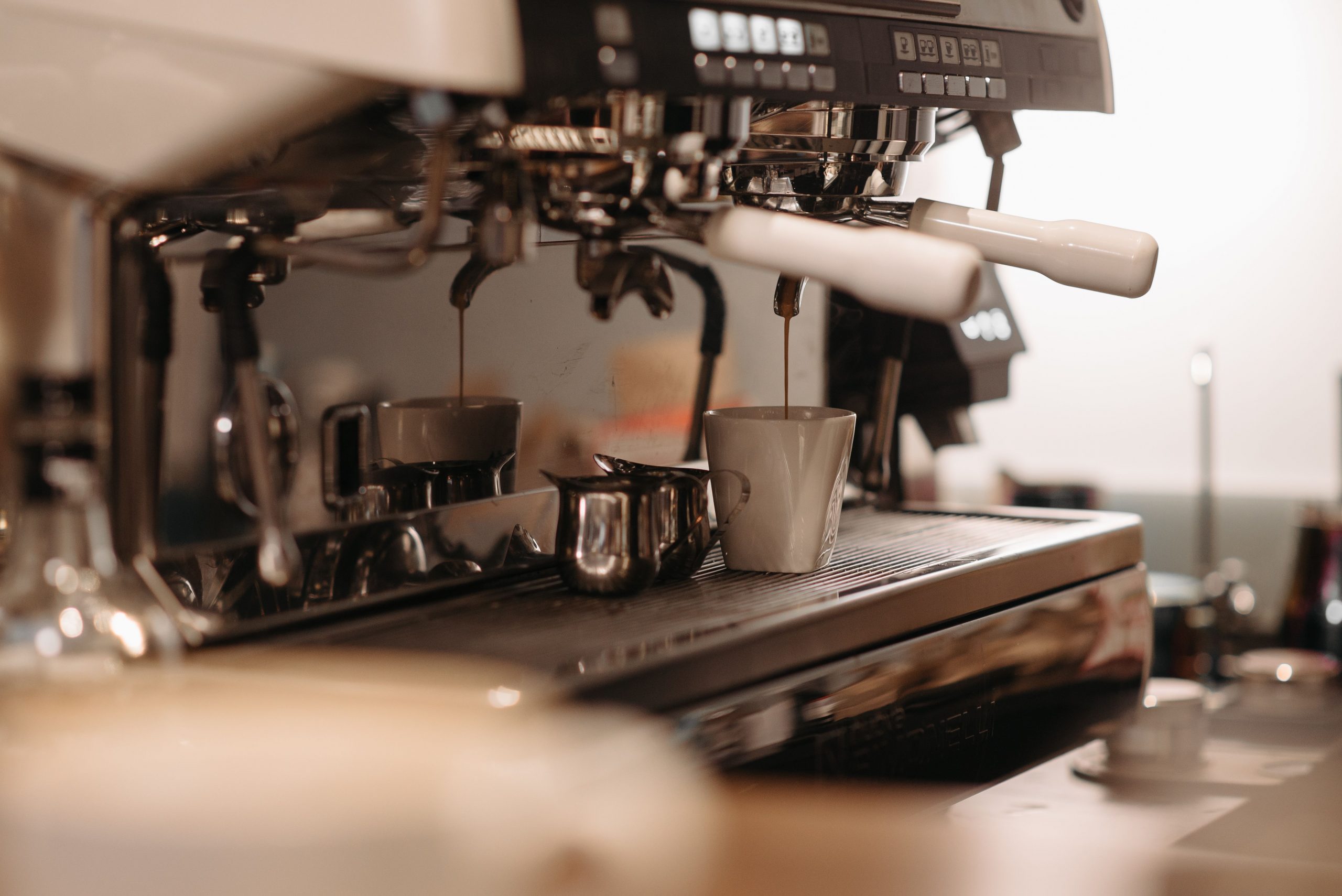
If your coffee has been tasting a little stale, slightly bitter, or just “off” for no clear reason, your coffee maker itself might be the problem, not the beans. Coffee makers stay warm and damp for hours every day, which makes them a comfortable environment for oil residue, mineral buildup, and even mold to build up quietly in places you don’t see.
So how often should you clean a coffee maker? As a general rule, some parts need attention daily, others weekly, and a full descale or deep clean should happen monthly, though hard water areas often need that deep clean more often. The exact schedule depends on how frequently you brew and what kind of machine you’re using, but the underlying reason stays the same: buildup happens gradually, and it affects both flavor and hygiene long before it becomes obvious.
Safety first: Always unplug your coffee maker before cleaning any part of it. Follow the manufacturer’s guidance on which cleaning solutions are safe for your specific machine, and never mix cleaning chemicals together, since some combinations can create harmful fumes.
How Often Should You Clean a Coffee Maker?
There isn’t a single number that applies to every machine, but a reliable general framework looks like this: rinse removable parts daily, wash them more thoroughly weekly, and deep-clean or descale the whole machine monthly. Hard water areas, or machines used multiple times a day, often need that deep clean every two to four weeks instead of monthly.
This schedule isn’t arbitrary. It’s built around how quickly different types of residue accumulate and how quickly that residue starts affecting your coffee.
Why Regular Cleaning Matters More Than People Think
Coffee Oil Residue and How It Turns Rancid
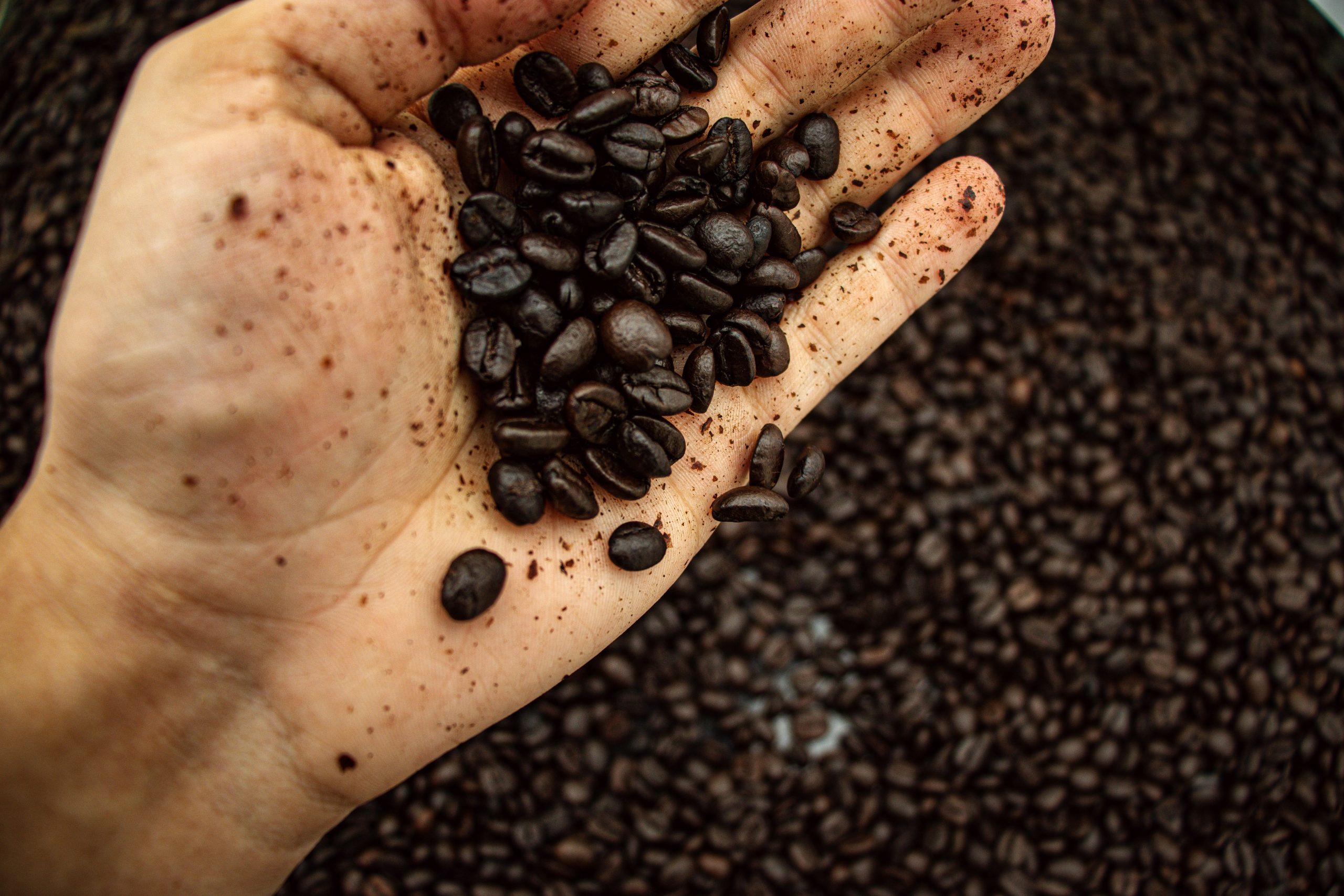
Coffee beans contain natural oils, and some of that oil ends up coated on the inside of your coffee maker’s basket, carafe, and internal pathways after every brew. Left alone, those oils don’t just sit there quietly – they oxidize and turn rancid over time, similar to how oil left out on a countertop develops an off smell after a while.
Once that residue builds up, it doesn’t wash away with a quick rinse of water alone. It sits there and mixes into every new pot of coffee you brew, which is a major reason a dirty coffee maker directly affects flavor rather than just being an aesthetic issue.
Mineral and Limescale Buildup From Water
Every time water passes through your coffee maker, it leaves behind trace minerals, mainly calcium and magnesium. Over time, those minerals accumulate into limescale, a hard, chalky buildup inside water lines, heating elements, and internal pathways.
Hard water speeds this process up considerably, which is why hard water areas need a shorter descaling interval than areas with naturally soft water. Limescale buildup can affect brewing temperature, slow down water flow, and eventually affect how evenly coffee extracts, which shows up in the cup as flat or inconsistent flavor.
Mold and Bacteria Risk in Damp, Warm Parts
Coffee makers stay warm and moist for hours at a time, which creates a genuinely favorable environment for mold and bacteria if parts aren’t cleaned regularly. Reservoirs, drip trays, and any removable parts that don’t fully dry between uses are the most common places this shows up.
General food-safety guidance on kitchen appliances consistently points to damp, warm environments as higher-risk spots for microbial growth, and a coffee maker fits that description closely. This isn’t meant to be alarming – it’s simply why “rinsing occasionally” isn’t quite the same as actually cleaning the machine.
How Buildup Directly Affects Taste
Rancid oil residue tends to add a stale, slightly bitter edge to coffee that wasn’t there with fresh beans. Limescale buildup can throw off brewing temperature and water flow, leading to weak, flat, or inconsistent extraction. Put together, a coffee maker that hasn’t been cleaned in a while can make even great beans taste noticeably worse, which is often mistaken for a problem with the coffee itself.
The Ideal Coffee Maker Cleaning Schedule
| Frequency | Tasks |
| Daily | Rinse the carafe, basket, portafilter, or pod chamber; empty and rinse the drip tray |
| Weekly | Wash all removable parts with warm, soapy water; wipe down the exterior and warming plate |
| Monthly (or every 2–4 weeks in hard water areas) | Run a full descaling cycle; deep-clean internal pathways and any parts prone to oil buildup |
Daily Tasks
Rinsing the carafe, basket, and any removable brewing parts after each use prevents oil residue from sitting and oxidizing overnight. This takes under a minute and is the single easiest habit that keeps flavor consistent day to day.
Weekly Tasks
A more thorough wash with warm, soapy water removes buildup that a quick rinse alone leaves behind. This is also a good time to wipe down the exterior, warming plate, and any buttons or surfaces that collect splashes and drips.
Monthly Tasks
A full descaling cycle clears mineral buildup from internal water pathways before it starts affecting temperature and flow. This is also the point to deep-clean parts that don’t get fully addressed by daily rinsing, like the inside of a reservoir or hard-to-reach tubing.
Adjusting for Hard Water
If you live somewhere with hard water, or you’re not sure, a simple way to check is by watching for white, chalky residue on the outside of a kettle or showerhead. If that shows up around your home, plan on descaling your coffee maker every two to four weeks rather than monthly, since mineral buildup happens faster in hard water conditions.
Equipment Maintenance
Signs Your Coffee Maker Needs Cleaning Now
Certain signs mean it’s time to clean before your next scheduled cleaning day, not after:
- Coffee tastes bitter or stale even with fresh beans. This often points to oil residue buildup rather than a problem with the coffee itself.
- Brewing takes noticeably longer than usual. This is a common sign of limescale slowing down water flow.
- Visible white or chalky residue around the reservoir, water lines, or heating element.
- A musty or sour smell coming from the reservoir, drip tray, or any removable parts.
- Water in the reservoir looks cloudy or has visible particles.
- Coffee tastes different from batch to batch with no change in beans, grind, or ratio – often a sign of inconsistent buildup affecting extraction.
How to Clean a Coffee Maker Step by Step
Basic Clean
- Unplug the machine and let it cool if it’s been in use.
- Remove the carafe, basket, portafilter, or pod chamber, along with the drip tray.
- Wash all removable parts in warm, soapy water, then rinse thoroughly.
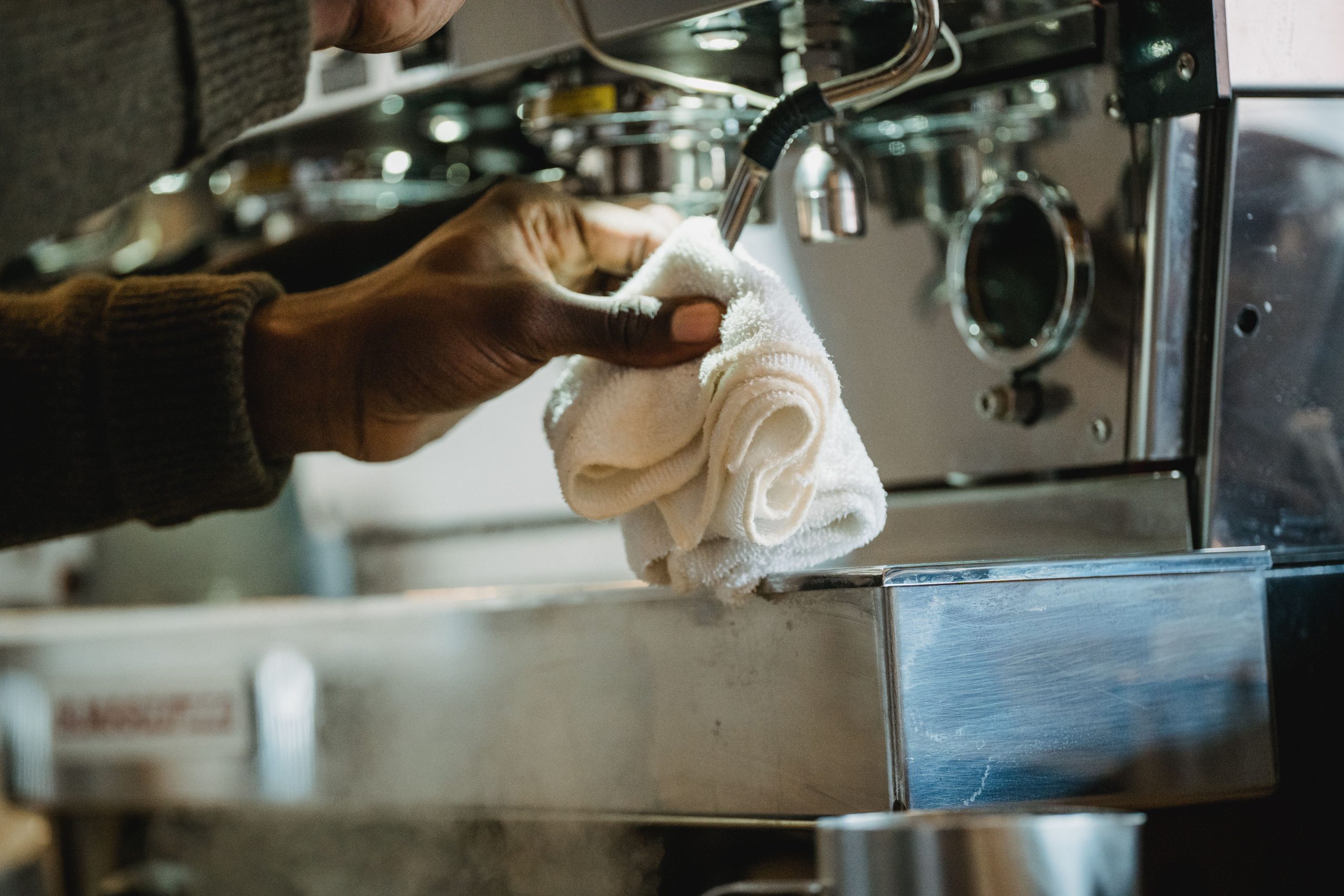
- Wipe down the exterior, warming plate, and any control surfaces with a damp cloth.
- Let all parts air dry fully before reassembling, since damp parts left inside the machine encourage mold growth.
Deep Clean and Descale
- Unplug the machine and remove any coffee grounds, pods, or leftover coffee.
- Fill the reservoir with a descaling solution mixed according to the product’s instructions, or a water and white vinegar solution if your manufacturer’s guidance allows it.
- Run a brew cycle without any coffee, letting the solution move through the machine’s internal pathways.
- Let the solution sit in the reservoir briefly if your machine’s instructions recommend it, then run one or two additional cycles with plain water to rinse the system thoroughly.
- Wash all removable parts separately with warm, soapy water.
- Run one final cycle with fresh water only to confirm no descaling solution taste remains before brewing coffee again.
A Café do Paraíso Coffee Maker Descaling Solution is formulated specifically for home brewing equipment and makes this process straightforward, since it’s pre-measured for a standard descaling cycle rather than requiring you to guess a dilution ratio.
Quick tip: Set a recurring reminder for your descaling schedule. Limescale buildup happens gradually enough that it’s easy to lose track of the last time you actually deep-cleaned the machine.
Does the Cleaning Schedule Change by Machine Type?
Drip Coffee Makers
Drip machines follow the general schedule closely: daily rinsing of the basket and carafe, weekly washing of removable parts, and monthly descaling. The warming plate also deserves regular wiping, since spills there can bake on and become harder to remove over time.
Single-Serve and Pod Machines
Pod machines have narrow internal water lines that are especially prone to limescale buildup, since the pathways are smaller and clog more easily than a standard drip machine’s tubing. Many manufacturers recommend descaling every one to three months for this reason. The pod chamber and needle area also need regular rinsing, since coffee grounds and oils can collect there even though you don’t see a traditional basket.
Espresso Machines
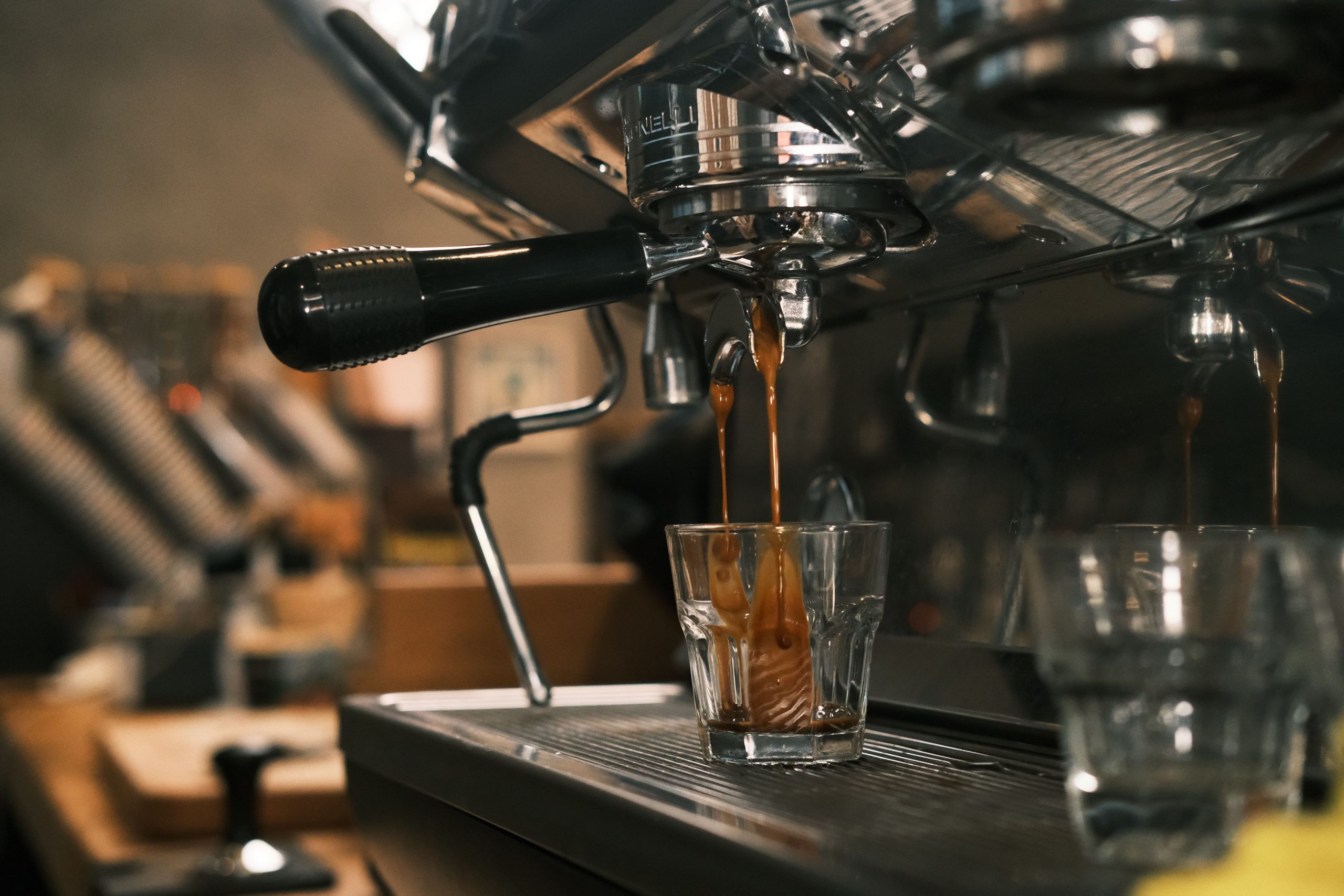
Espresso machines need the most frequent attention among common home brewing equipment, since the portafilter, basket, and group head all come into direct contact with coffee oils and grounds multiple times a day. Daily cleaning of the portafilter and basket, along with a group head wipe-down, prevents oil buildup from affecting the seal and flavor. Descaling frequency for espresso machines often runs shorter than for drip machines, particularly in hard water areas, given how much water passes through a relatively small internal system.
Equipment Maintenance
French Press and Manual Brewers
French press and other manual brewers, like pour over drippers, are simpler mechanically but still need regular attention. Coffee oils can build up on the mesh filter of a French press and on the inside of a carafe, giving old coffee a rancid, muddy taste if it’s not washed thoroughly after each use. These brewers don’t need descaling in the traditional sense since they don’t heat water internally, but a daily wash and an occasional deeper soak in warm, soapy water keeps them performing well.
Common Coffee Maker Cleaning Mistakes
- Rinsing with water only and skipping soap. Water alone doesn’t fully break down oil residue, which is one of the main contributors to stale-tasting coffee.
- Letting parts air dry inside a closed machine. Damp, enclosed spaces are exactly the environment mold and bacteria need to grow.
- Skipping descaling because “the coffee still tastes fine.” Limescale buildup often affects brewing temperature and flow well before flavor changes become obvious.
- Using cleaning products not intended for coffee equipment, which can leave residue or damage internal seals.
- Mixing different cleaning chemicals together in an attempt to clean faster or more thoroughly. Always follow product instructions and never combine cleaning solutions.
- Forgetting parts that aren’t visible, like the inside of a pod machine’s water lines or the underside of a reservoir.
Frequently Asked Questions
What happens if you don’t clean your coffee maker regularly?
Oil residue turns rancid and affects flavor, mineral buildup can slow water flow and affect brewing temperature, and damp, uncleaned parts create a favorable environment for mold and bacteria.
What’s the difference between rinsing daily parts and deep-cleaning the machine?
Daily rinsing removes surface-level coffee oils and grounds from parts like the basket and carafe. Deep cleaning, including descaling, addresses mineral buildup inside internal water pathways that a rinse alone can’t reach.
Does hard water make you need to clean your coffee maker more often?
Yes. Hard water contains more calcium and magnesium, which speeds up limescale buildup considerably. Homes with hard water typically need to descale every two to four weeks instead of monthly.
Can a dirty coffee maker actually make coffee taste bad?
Yes. Rancid oil residue adds a stale, bitter edge to coffee, and limescale buildup can affect brewing temperature and water flow, both of which change how the final cup tastes.
Is mold or bacteria a real risk in an uncleaned coffee maker?
Yes. Coffee makers stay warm and damp for extended periods, which creates conditions favorable to mold and bacteria, particularly in reservoirs and drip trays that don’t fully dry between uses.
Does the cleaning schedule change for different machine types?
Yes. Espresso machines and pod machines generally need more frequent attention due to oil buildup and narrow internal water pathways, while drip machines and manual brewers like French press follow a somewhat more relaxed schedule.
What household products are safe to use for cleaning a coffee maker?
Warm, soapy water is safe for most removable parts. For descaling, use a solution specifically made for coffee equipment, or check your manufacturer’s guidance on whether a vinegar-and-water solution is appropriate for your specific machine.
How long does a deep clean or descale actually take?
Most descaling cycles take between 30 and 60 minutes total, including rinse cycles, though the amount of active hands-on time is usually just a few minutes.
Final Thoughts
How often should you clean a coffee maker? Daily for the basics, weekly for a more thorough wash, and monthly for a full descale, with more frequent descaling if you’re dealing with hard water. The reasoning behind that schedule matters as much as the schedule itself: oil residue turns rancid, minerals build into limescale, and damp parts create conditions where mold and bacteria can grow, and all three of those directly affect how your coffee tastes.
A consistent routine, even a simple one, keeps your machine working the way it’s supposed to and keeps your coffee tasting the way it should. If you’ve been noticing an off flavor lately, a cleaning session is often a faster fix than switching beans.