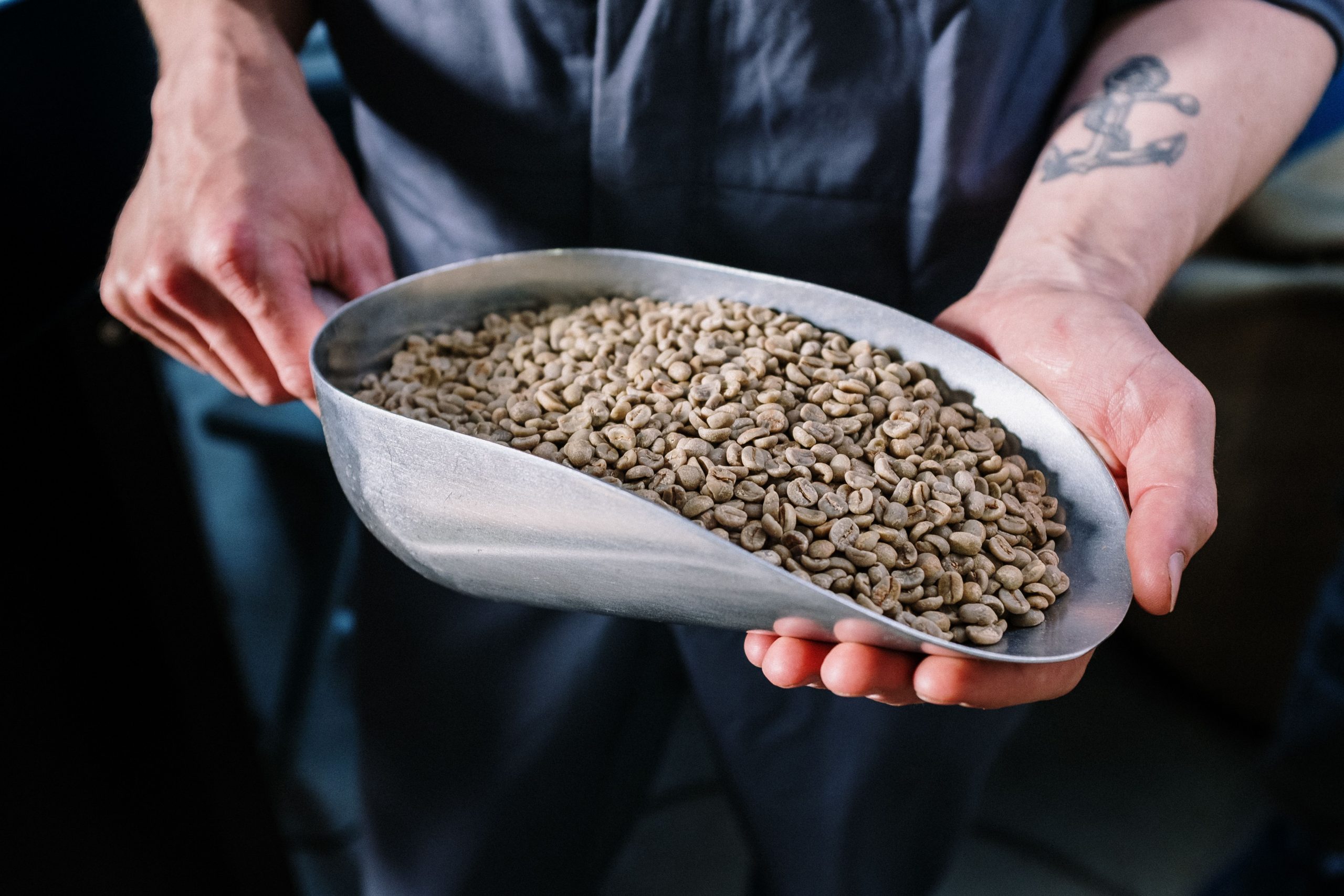
If you’ve ever opened a bag of coffee and noticed it just didn’t smell as good as it used to, you already know that freshness matters. So how long do coffee beans stay fresh, exactly? The short answer: whole beans hold their best flavor for about 2 to 4 weeks after roasting, and they stay drinkable for several months beyond that if you store them well. But the real answer is a little more layered, and understanding it will change how you buy, store, and brew coffee at home.
In this guide, we’ll walk through what actually happens to coffee beans after roasting, how long they last in different conditions, what causes them to go stale, and how to store them so they last as long as possible without losing what makes them worth drinking.
How Long Do Coffee Beans Stay Fresh?
Here’s the quick version before we get into the details.
| Coffee Stage | Best Flavor Window | Still Usable |
| Whole beans, unopened bag | 2–4 weeks after roast | Up to 6–9 months |
| Whole beans, opened bag | 1–3 weeks after opening | Up to 4 weeks |
| Ground coffee, opened | A few hours to 1 week | Up to 2 weeks |
| Ground coffee, unopened (vacuum-sealed) | A few weeks | Up to 3–5 months |
Coffee doesn’t have a single expiration date the way milk does. It gradually loses aroma and flavor complexity over time, so “fresh” is really a spectrum rather than a hard cutoff. A bag of beans isn’t unsafe to drink after a few months, but it won’t taste like it did in week one.
Whole beans always last longer than ground coffee. Once coffee is ground, the surface area exposed to air multiplies dramatically, which speeds up flavor loss. That’s why buying whole bean coffee and grinding just before brewing is one of the simplest ways to extend how long your coffee tastes good.
Café do Paraíso Whole Bean Coffee with Roast Date – buying whole beans with a visible roast date lets you track exactly how fresh your coffee is and plan your brewing around its peak flavor window.
What Happens to Coffee Beans After Roasting?
Roasting transforms green coffee into the aromatic beans you brew with, but the moment beans come out of the roaster, they start changing again. Three things happen almost immediately: degassing, oxidation, and gradual flavor loss.
Degassing
During roasting, the intense heat creates carbon dioxide inside the bean. Some of that gas escapes right away, but a large portion stays trapped and slowly releases over the following days and weeks. This is called degassing, and it’s the reason freshly roasted beans often look slightly puffed and can even make a faint crackling sound.
Degassing matters for brewing too. Beans that are too fresh (within the first 24 to 48 hours) can release so much CO2 during brewing that it interferes with water contact, leading to excessive crema on espresso or uneven extraction with pour-over. This is why many roasters recommend resting beans for a few days after roasting before brewing with them.
Oxidation
Once beans are exposed to air, oxygen starts reacting with the oils and compounds inside the coffee. This process, oxidation, is the single biggest driver of coffee going stale. It breaks down the aromatic compounds responsible for coffee’s complex smell and taste, replacing bright, layered notes with flat, cardboard-like flavors over time.
Flavor Development and Aroma Changes
In the first few days after roasting, coffee is actually still settling into its flavor. The immediate post-roast period tends to taste sharp or unbalanced. Most specialty coffee professionals agree that beans taste best somewhere between 4 and 14 days after roasting, once initial degassing has calmed down but before oxidation has had much chance to dull the aromatics. After that window, the aroma compounds that make coffee smell so good in the bag begin fading, even if the coffee still looks and grinds normally.
What Makes Coffee Beans Go Stale?
Staleness isn’t caused by one single factor. It’s the combined effect of several elements working against the bean over time.
Oxygen is the main culprit. Every time a bag is opened, fresh oxygen rushes in and accelerates the breakdown of flavor compounds. This is why resealing bags tightly and minimizing how often you open them actually makes a difference.
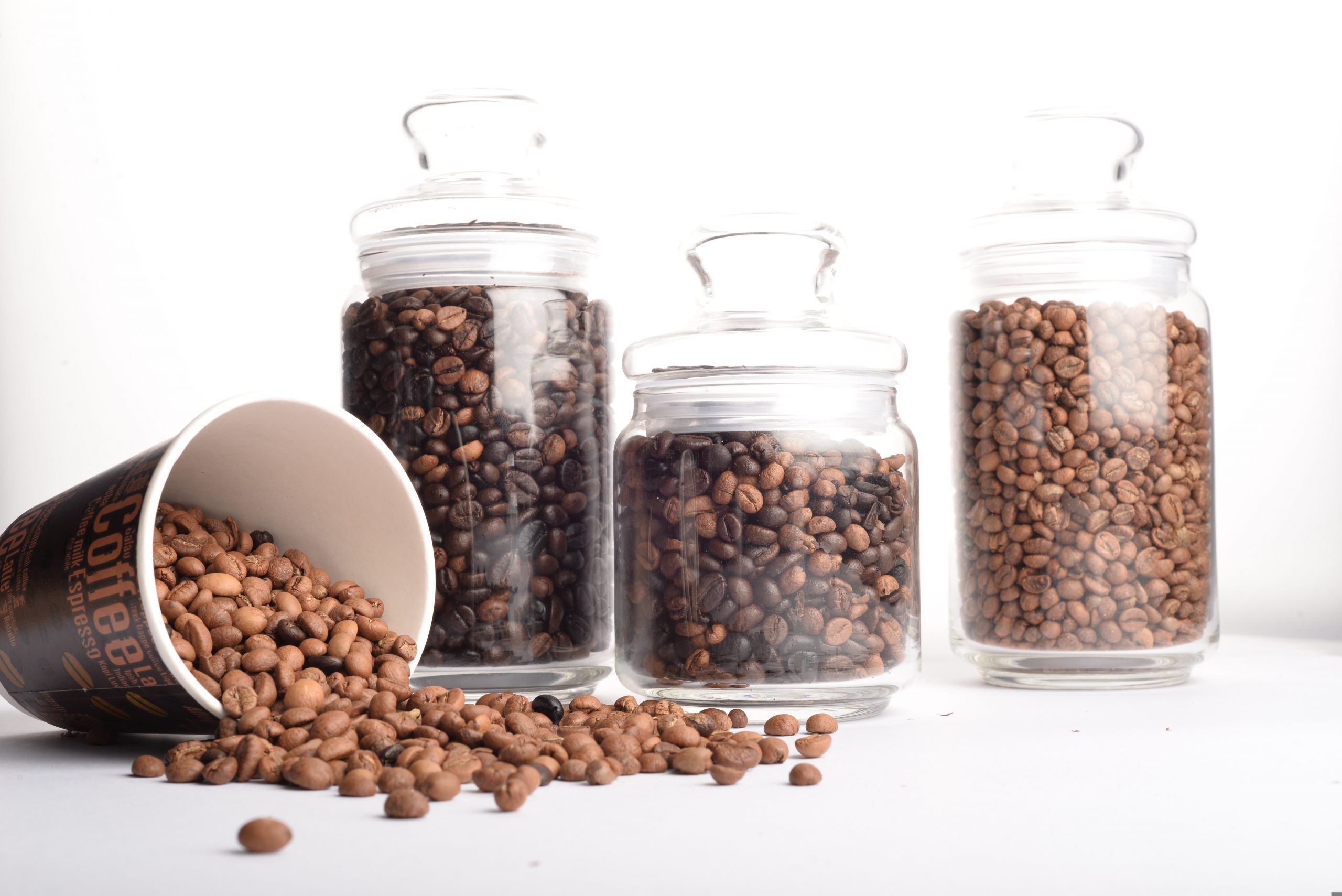
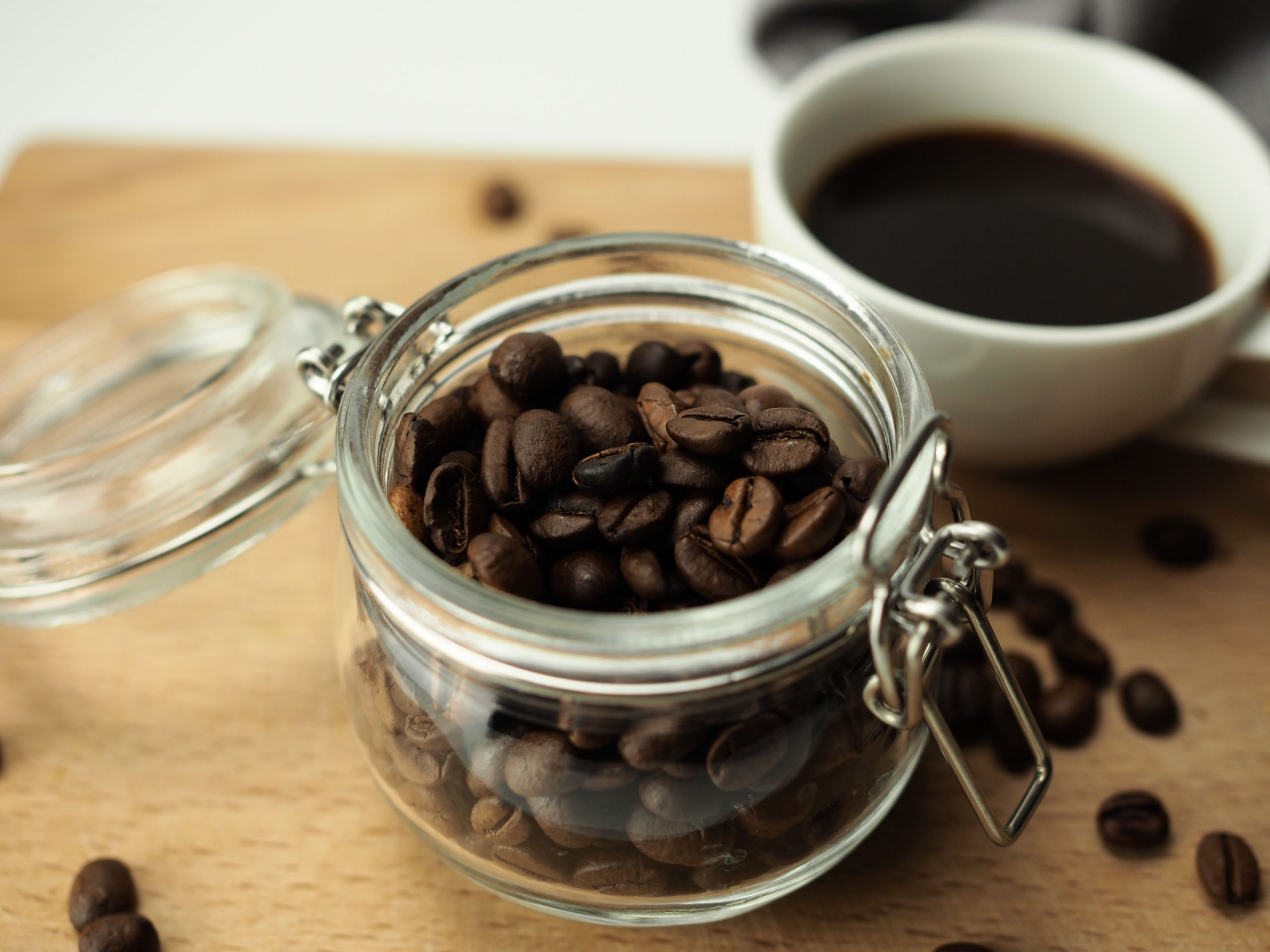
Light, especially direct sunlight, speeds up the same oxidative reactions and can also generate heat, which compounds the problem. Storing beans in a clear jar on a sunny counter looks nice but shortens their shelf life.
Heat speeds up nearly every chemical reaction happening inside the bean, oxidation included. A stovetop shelf or a spot near a warm appliance is one of the more common places coffee bean storage goes wrong.
Moisture is a bigger risk than most people expect. Coffee beans are porous and will absorb ambient moisture, which can lead to mold growth in humid climates and, at minimum, a duller cup.
Improper storage ties all of this together. Beans left in a bag that isn’t resealed, stored somewhere warm, or kept next to a window will go stale far faster than beans in a proper airtight coffee container kept in a cool, dark cupboard.
Best Ways to Store Coffee Beans
Good storage isn’t complicated, but it does need to hit a few specific targets: no air, no light, no heat, no moisture.
Airtight Containers
An airtight coffee container with a one-way valve or a solid seal is the single best upgrade most people can make to their coffee storage. The one-way valve lets CO2 escape from freshly roasted beans without letting oxygen back in, which is ideal for the first couple of weeks after roasting.
Pantry Storage
A dark cupboard or pantry away from the oven, stove, or any heat source is the right home for your daily coffee. Room temperature, away from light, is exactly what beans need for the two to four weeks you’ll likely take to work through a bag.
Vacuum-Sealed Bags
Many specialty roasters pack beans in vacuum-sealed or one-way valve bags for exactly this reason. If you buy coffee in bulk, transferring smaller portions into a vacuum-sealed bag and keeping the rest untouched is a smart way to slow oxidation across a larger supply.
Freezing
Freezing is a legitimate option for long-term storage, particularly if you’ve bought more coffee than you’ll use in a month. The key is doing it correctly: divide beans into small, airtight, portioned bags so you’re only ever thawing what you’ll use in one go. Repeated freezing and thawing introduces condensation, which damages beans faster than almost anything else on this list. When done properly, frozen beans can hold reasonably well for a few months.
Refrigeration (and Why It’s Usually a Bad Idea)
Refrigeration is one of the most common coffee storage mistakes. A refrigerator is a humid environment full of other food odors, and coffee is remarkably good at absorbing both moisture and smells. Beans stored in the fridge often pick up off-flavors from whatever else is in there, and the frequent temperature swings every time the door opens can cause condensation inside the container. Skip the fridge. If you want cold storage, the freezer, done correctly, is the better route.
How Long Do Unopened Coffee Beans Stay Fresh?
An unopened bag with a one-way valve, kept in a cool, dark spot, will typically hold reasonable quality for 6 to 9 months from the roast date, especially if it was packed with proper barrier materials. Peak flavor is still concentrated in that first month, but an unopened bag degrades much more slowly than one that’s been opened and resealed repeatedly.
This is one reason checking the roast date matters more than checking a printed “best by” date. Roast date tells you when the clock actually started.
Café do Paraíso Single-Origin Roasts – each batch is roasted in small quantities and labeled with its roast date, so you can choose a bag based on how soon you plan to brew it.
How Long Do Opened Coffee Beans Stay Fresh?
Once you break the seal, oxygen exposure begins in earnest every time you open the bag. Most whole bean coffee holds good flavor for 1 to 3 weeks after opening if it’s resealed tightly and stored properly. Beyond about four weeks, most people will notice a real drop in aroma and brightness, even if the coffee is technically still fine to drink.
Whole Beans vs. Ground Coffee
This distinction matters more than almost anything else in this article. Whole beans have far less surface area exposed to air, so they hold their aromatic compounds much longer than ground coffee.
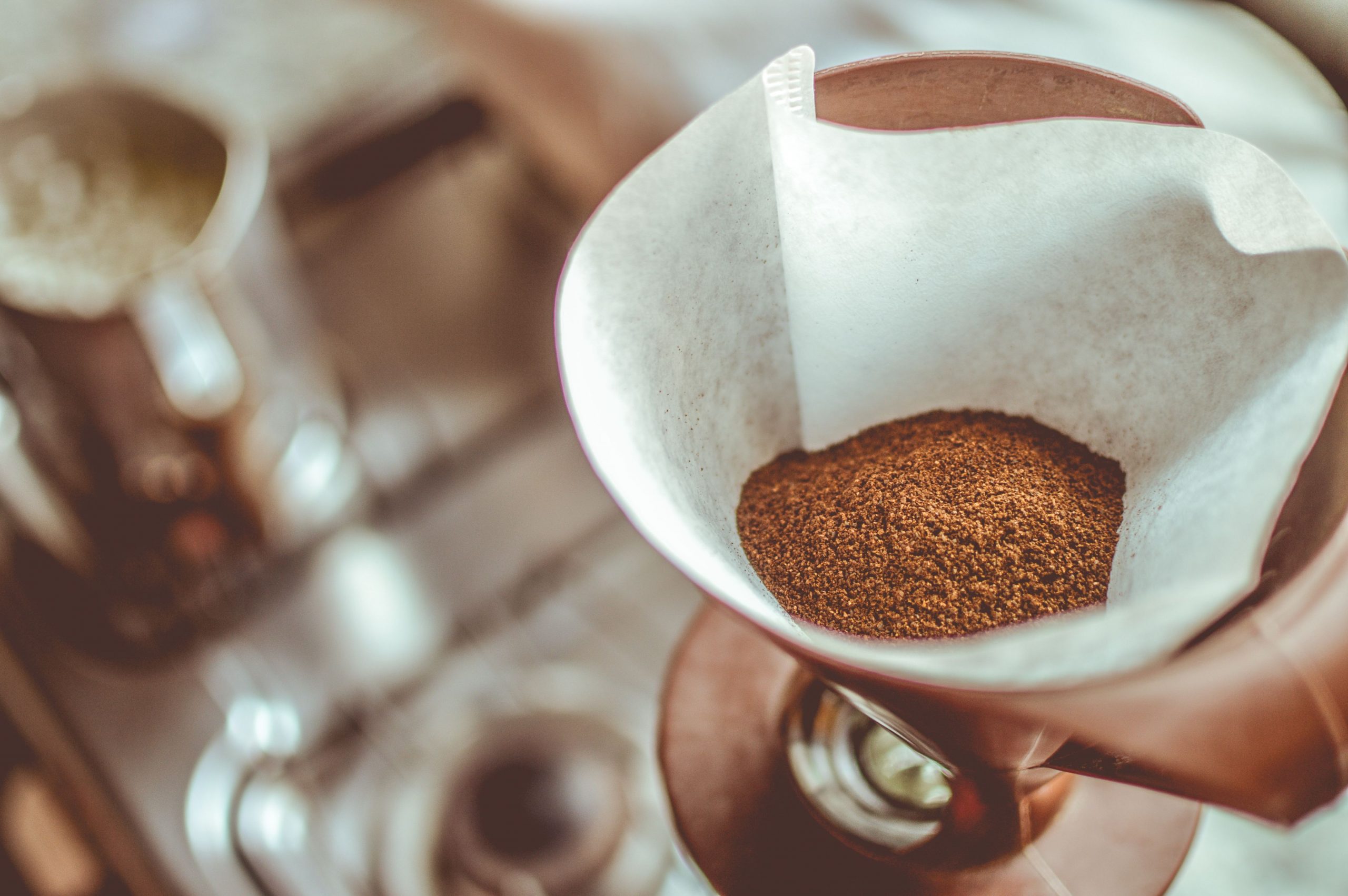
Ground coffee, by comparison, starts losing meaningful flavor within hours of grinding. For the best cup, grind only what you need right before brewing. If grinding fresh isn’t practical for your routine, an airtight container and a smaller bag size (so you finish it faster) will help minimize the damage.
How to Tell If Coffee Beans Are No Longer Fresh
You don’t need lab equipment to spot stale coffee. A few practical checks will tell you most of what you need to know.
Smell the beans. Fresh coffee has a noticeable, often sweet or fruity aroma the moment you open the bag. Stale coffee smells flat, faint, or slightly like cardboard.
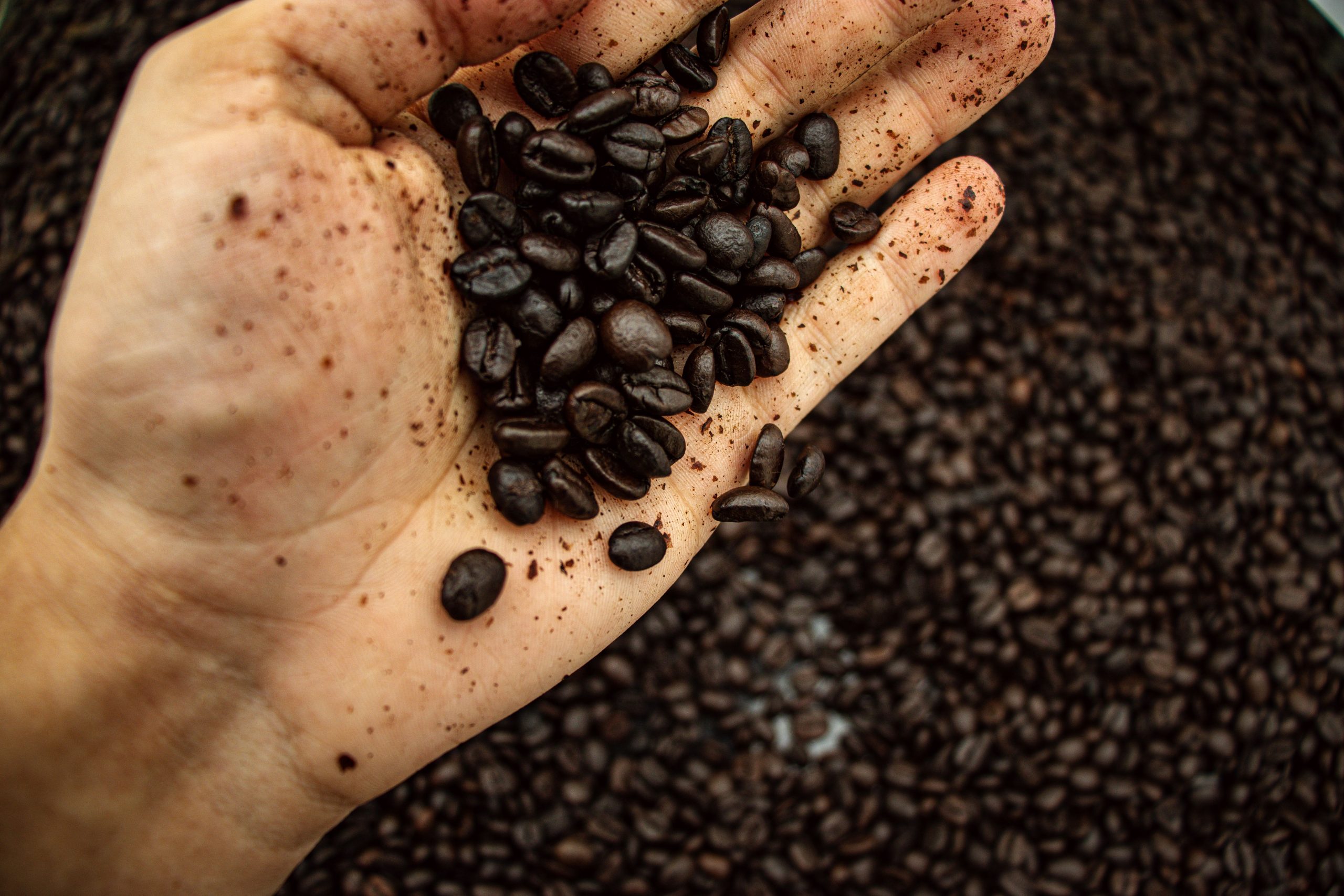
Look at the surface. Very fresh, darker roasts often have a light sheen from natural oils. As beans age, that sheen can fade or, in some cases, become excessively oily and dull-looking as oils break down.
Watch how they brew. Fresh beans, when ground and brewed, typically produce a noticeable bloom, that layer of bubbling foam when hot water first hits the grounds, caused by trapped CO2 escaping. A weak or nonexistent bloom is one of the clearest signs the coffee has lost most of its gas, and likely a good deal of its flavor too.
Taste it. Stale coffee often tastes flat, one-dimensional, or slightly bitter without the acidity or sweetness the bean should have. If a coffee you know well suddenly tastes muted, staleness is a likely reason.
Can Stale Coffee Beans Still Be Used?
Yes, stale coffee is not unsafe to drink, and it isn’t the same as spoiled. Beans that have simply lost their peak flavor and aroma can absolutely still be brewed. You’ll just get a flatter, less vibrant cup than you would from fresher beans.
If you have beans that are past their best window, a few tricks can help. Grinding slightly finer can help extract more from beans that have lost some strength. Cold brew methods, which rely less on the delicate aromatics that fade first, can also mask some staleness. That said, if beans show any sign of mold, an off or musty smell that goes beyond “flat,” or visible moisture damage, it’s best to throw them out rather than try to brew around it.
Common Coffee Storage Mistakes
Even careful coffee drinkers fall into a few repeat mistakes.
- Storing beans in the original bag without resealing it properly. Clips and folds aren’t airtight. Transfer to a sealed container once opened.
- Keeping coffee next to the stove or oven. The heat, even in small amounts over time, accelerates staling.
- Using clear glass jars on open counters. They look great in photos and terrible for freshness, since light exposure speeds up oxidation.
- Buying more coffee than you’ll use in a month. Large bags bought for convenience often mean the second half is stale before you get to it. Buying smaller amounts more often keeps your coffee closer to its peak window.
- Refrigerating beans. As covered above, moisture and odor absorption make this counterproductive.
- Grinding coffee far in advance. Pre-grinding a week’s worth of coffee at once trades convenience for flavor. Grind in small batches instead.
Frequently Asked Questions
Does the roast level affect how long coffee beans stay fresh?
Yes, to some degree. Darker roasts have more oil on the surface due to the extended time and heat of roasting, which can make them go stale slightly faster once exposed to air, since those oils oxidize readily. Lighter roasts tend to hold their aromatic complexity a bit longer, though both still benefit from the same storage principles.
How long do coffee beans stay fresh after roasting if left unopened?
Roughly 6 to 9 months in a sealed bag with a one-way valve, though peak flavor is really concentrated in the first month. After that, quality declines gradually rather than dropping off suddenly.
What causes coffee beans to go stale the fastest?
Oxygen exposure combined with heat is the fastest path to stale coffee. An opened bag left near a warm stove will lose its flavor far quicker than a sealed bag stored in a cool pantry.
Should I buy whole bean or pre-ground coffee for better shelf life?
Whole bean coffee lasts significantly longer than ground coffee because less surface area is exposed to oxygen. If you have a grinder at home, whole beans are the better choice for both freshness and flavor.
Is it better to freeze coffee beans or keep them in the pantry?
For coffee you’ll use within a month, the pantry in an airtight container is simplest and works well. Freezing is better suited to larger quantities you won’t get through quickly, as long as beans are portioned into small, sealed batches to avoid repeated thawing.
How can I make coffee beans last longer without a special container?
Any airtight container works better than an open bag, but pushing out excess air, folding and clipping the bag tightly, and keeping it in a dark, cool cupboard will meaningfully slow staling even without specialty equipment.
Can I tell coffee bean freshness just by the roast date on the bag?
Roast date is the most reliable indicator you have, far more useful than a “best by” date, which is usually calculated for shelf stability rather than peak flavor. Beans roasted within the last two to four weeks are generally your best bet for a lively cup.
Why does my coffee smell amazing when I open a fresh bag but weaker a few weeks later?
That’s oxidation and degassing at work. The volatile aromatic compounds that create that strong smell break down and escape gradually once beans are exposed to air, which is exactly why sealing bags tightly between uses matters so much.
Final Thoughts
So, how long do coffee beans stay fresh? Long enough to enjoy a great cup if you treat them right, and not nearly long enough if they’re left open on a sunny counter for months. The coffee bean shelf life you get really comes down to a few basic choices: buying whole beans, checking the roast date, sealing them properly, and keeping them away from heat, light, and moisture.
None of this requires special equipment or a complicated routine. A good airtight container and a cool, dark cupboard will take you most of the way there. What makes the biggest difference is simply buying coffee in amounts you’ll actually use while it’s fresh, rather than stockpiling more than you can brew through in a few weeks.
Café do Paraíso Small-Batch Roast Selection- smaller batch sizes mean you’re more likely to finish a bag while it’s still within its peak flavor window, rather than working through stale coffee at the bottom of a large bag.