If you found a bag of coffee at the back of your pantry and wondered whether it’s still safe to brew, you’re not alone. It’s one of the most common questions coffee drinkers ask, and the honest answer is a little more nuanced than a simple yes or no.
So, does coffee go bad? In short: coffee rarely spoils the way milk or bread does, but it does lose freshness over time, and in certain conditions it can genuinely become unsafe to drink. Understanding the difference between “stale” and “spoiled” will help you get more out of every bag you buy and know exactly when it’s time to toss one out.
Does Coffee Go Bad?
Coffee is a dry, roasted seed with very low moisture content, which makes it naturally resistant to the kind of bacterial spoilage that affects fresh food. Under normal storage conditions, coffee doesn’t “go bad” in a food-safety sense. What actually happens is staling: a slow, ongoing loss of the aroma and flavor compounds that make coffee taste good.
That said, coffee can go bad in the more serious sense if it’s exposed to moisture, stored improperly, or contaminated. Wet grounds or beans create the right environment for mold, and mold is where staleness turns into an actual safety concern.
So the real answer has two layers: almost all coffee goes stale eventually, and only mishandled coffee goes bad in a way that could make you sick. Knowing which one you’re dealing with is the key to answering “does coffee go bad” with confidence every time you open a bag.
Does Coffee Expire or Just Go Stale?
Coffee packaging often confuses this issue because it typically carries a “best by” date rather than a true expiration date. Here’s how the terms actually differ.
Best-by dates are a quality estimate set by the roaster. They mark the point after which the coffee may not taste its best, not a safety cutoff. A bag of ground coffee can sit past that date and still be perfectly fine to drink, just less vibrant. This is really what people mean when they ask whether coffee can expire.
Freshness refers to how close the coffee is to its roast date and how much of its original aroma and flavor remains. Fresh coffee smells bright, tastes complex, and often produces a good amount of bubbling (“bloom”) when hot water hits it, thanks to trapped carbon dioxide from roasting.
Staleness is the gradual, natural decline in flavor as coffee ages. It happens to every bag of coffee eventually and is driven mainly by oxidation, which we’ll get into below.
Spoilage is different from staling. Spoilage means the coffee has been compromised by moisture, mold, pests, or contamination, and it should be thrown away regardless of how “fresh” the bag technically is.
Understanding these four terms answers a big part of the “can coffee expire” question: coffee doesn’t expire the way perishable groceries do, but it absolutely can go stale, and in rare cases, it can spoil.
How Long Does Coffee Last?
How long coffee lasts depends heavily on its form (whole bean vs. ground), whether the package is sealed, and how it’s stored afterward.
Whole Bean Coffee
Whole beans have the least surface area exposed to oxygen, so they hold onto flavor the longest. An unopened, properly sealed bag of roasted coffee beans generally stays close to peak quality for several months, especially if the bag uses a one-way valve to release carbon dioxide without letting oxygen in. Once opened, whole bean coffee is best used within two to four weeks for the fullest flavor, though it remains drinkable well beyond that window.
Ground Coffee
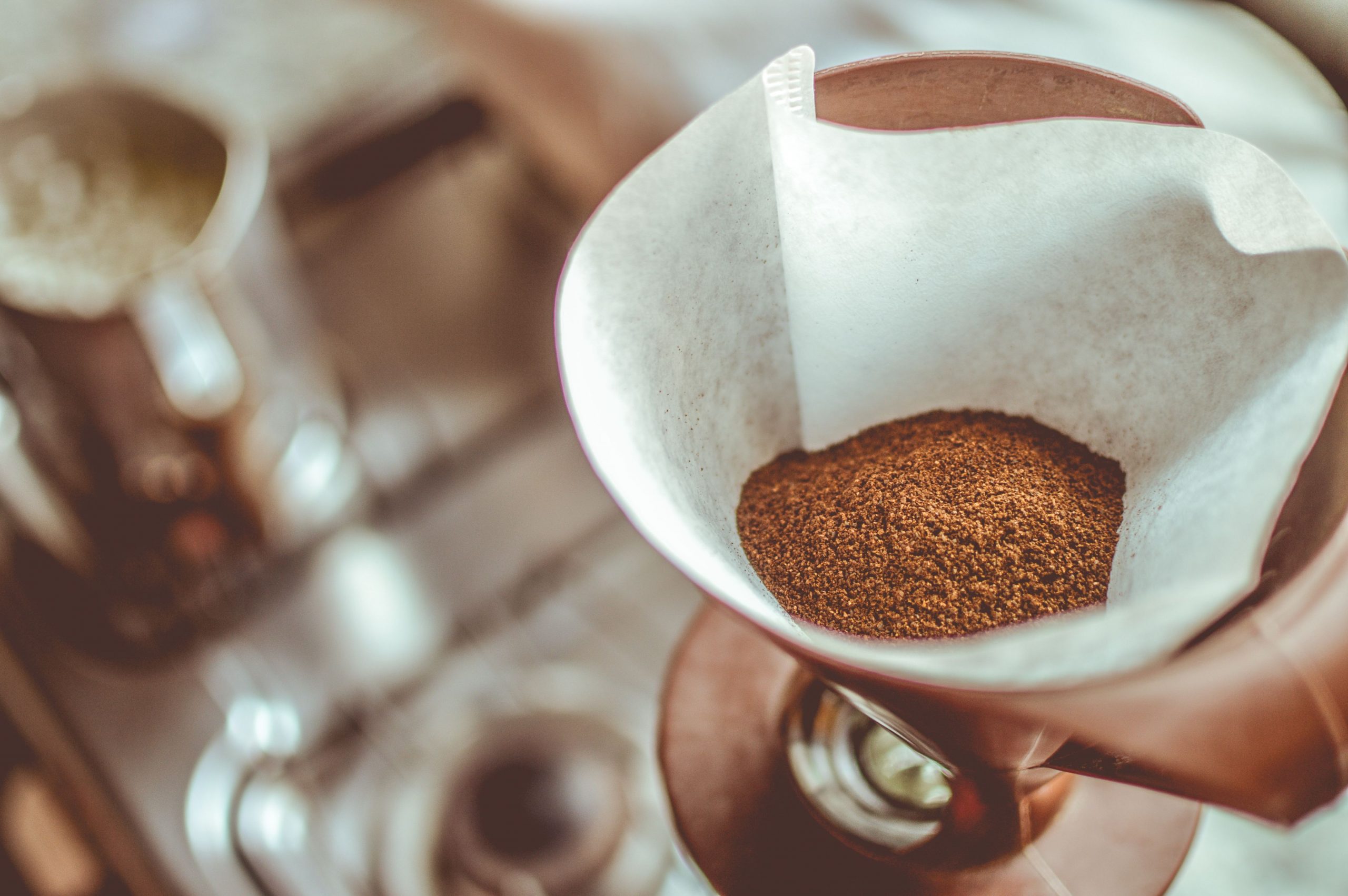
Grinding coffee shatters the bean and dramatically increases the surface area exposed to air. This is why ground coffee loses its aroma and flavor much faster than whole beans. Unopened, vacuum-sealed ground coffee can hold reasonable quality for a few months. Once opened, most of its peak aroma fades within one to two weeks, which is why buying smaller bags of ground coffee, or grinding your own beans, tends to produce a noticeably better cup.
Unopened vs. Opened Packages
An unopened, well-sealed bag protects coffee from its biggest enemies: oxygen, light, heat, and moisture. Once you break the seal, the clock speeds up considerably, since every scoop introduces more air into the container.
Brewed Coffee
Brewed coffee behaves differently because it contains water, which changes the chemistry entirely. Black coffee left at room temperature starts to taste flat within a few hours and should generally be finished within that window. Refrigerated in a sealed container, brewed coffee holds up for a few days, though the flavor declines steadily after the first 24 hours. Coffee with milk or cream should be treated more cautiously and consumed within a day or two, since dairy introduces its own spoilage risk.
Coffee Shelf Life at a Glance
| Coffee Type | Unopened | Opened | Best For Peak Flavor |
| Whole bean coffee | Several months, sealed bag | 2–4 weeks | Within 3 weeks of roast date |
| Ground coffee | A few months, sealed bag | 1–2 weeks | Within 7–10 days of opening |
| Instant coffee | 1–2 years or more | Several months to a year | Less time-sensitive due to low moisture |
| Brewed coffee (black), room temp | N/A | Within 4 hours | Same session |
| Brewed coffee (black), refrigerated | N/A | 3–4 days | First 24 hours |
| Brewed coffee with milk/cream | N/A | 1–2 days | Same day |
These ranges are general guidelines. Roast level, packaging quality, and how carefully you store your coffee all shift the numbers slightly.
Signs Coffee Has Gone Bad
Most of the time, what people notice first isn’t spoilage, it’s staleness. Here are the signs coffee has gone bad or is simply past its prime, and how to tell them apart.
Flat or muted aroma. Fresh coffee has a noticeable smell as soon as you open the bag. If it smells like very little, oxidation has already broken down most of the aromatic compounds.
Loss of flavor complexity. Stale coffee tastes generic, flat, or slightly bitter, without the origin-specific notes it had when fresh.
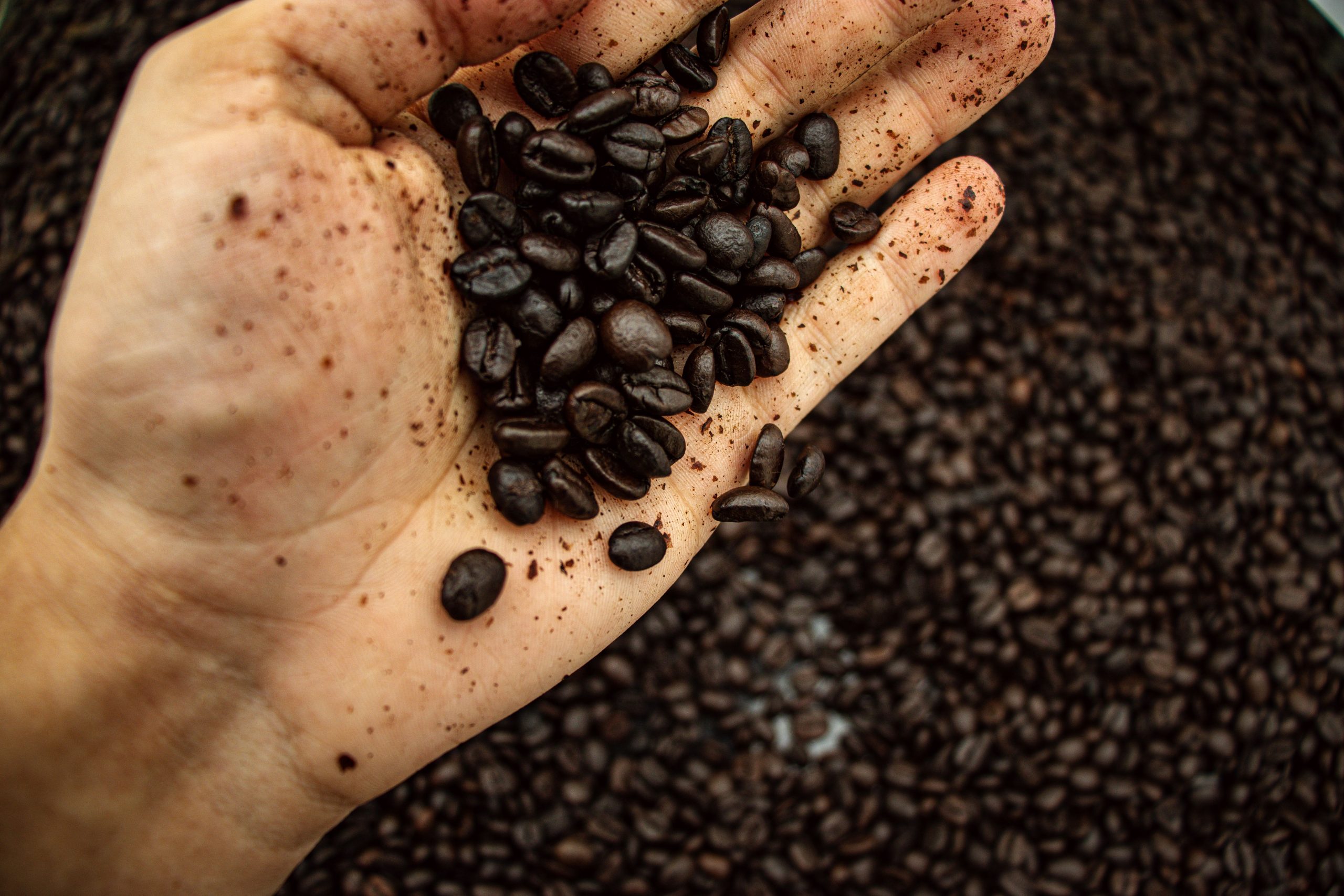
Dry, powdery texture. Freshly roasted coffee often looks slightly oily and feels a bit tacky. As it stales, the oils oxidize and the grounds or beans can look dull and dry.
Oily surface on beans that shouldn’t be oily. A light sheen on dark roast beans is normal, since darker roasting pushes oils to the surface. But oiliness on beans that are supposed to be a lighter, drier roast can signal advanced staleness or age.
Moisture, clumping, or dampness. If grounds feel damp or clump together, moisture has gotten into the container. This is one of the clearer signs coffee has gone bad rather than just stale.
Visible mold. Mold on coffee usually looks like fuzzy white, green, or grey spots and often comes with a musty smell. Any sign of mold means the coffee should be discarded immediately, no exceptions.
Strange or sour odors. A sour, musty, or chemical smell (rather than a simply weak coffee smell) is a red flag that something beyond ordinary staling has happened.
Pest activity or visible contamination. Any signs of insects or foreign material in the bag mean it’s time to throw the coffee out.
Can Mold Grow on Coffee?
Yes. While roasted coffee’s low moisture content makes mold growth unlikely under normal storage, it isn’t impossible. Mold needs moisture to grow, so it typically appears when coffee has been exposed to humidity, stored in a damp environment, or kept in a container that wasn’t properly sealed.
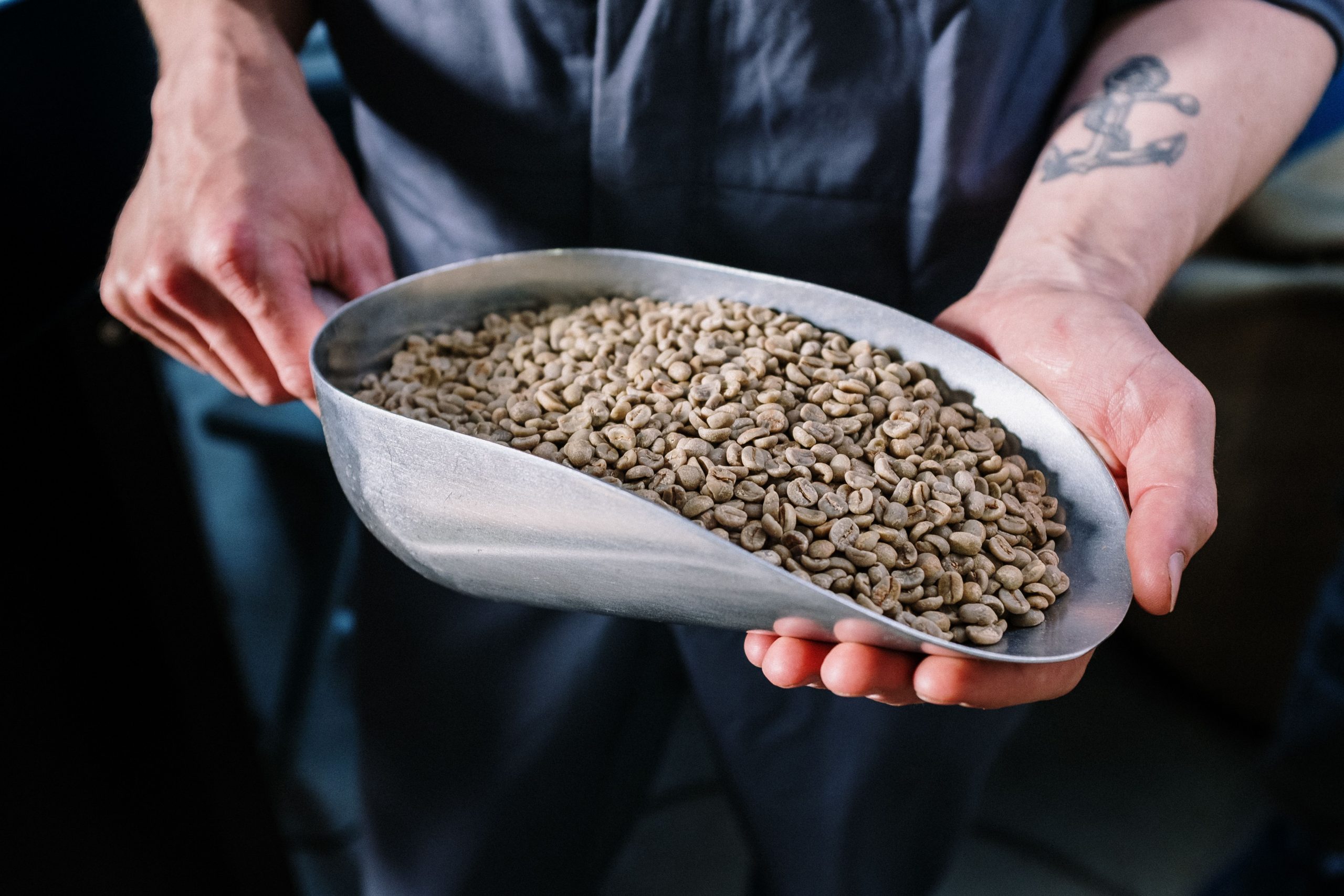
Green (unroasted) coffee is more vulnerable to mold during storage and shipping than roasted coffee, which is one reason reputable roasters store and handle green coffee carefully before it ever reaches your cup. Once coffee is roasted, the heat kills most existing microorganisms, but that protection only lasts as long as the coffee stays dry. If you ever see mold on your beans or grounds, don’t try to salvage the bag. Throw it out and start fresh.
Is Expired Coffee Safe to Drink?
In most cases, yes. Coffee that’s past its best-by date, or coffee that’s simply stale, is generally still safe to drink. It just won’t taste as good. The flavor compounds break down over time, but that process on its own doesn’t make coffee dangerous.
Where the answer changes is when moisture, mold, or contamination are involved. If your coffee shows any of the following, don’t drink it:
- Visible mold or fuzzy spots
- A musty, sour, or chemical smell
- Damp or clumped grounds that suggest water exposure
- Signs of pests or foreign debris
If none of these apply, and your coffee just tastes weaker or flatter than usual, it’s simply stale rather than spoiled. It’s disappointing in the cup, but it isn’t a health risk. This is the core distinction that answers whether coffee becomes unsafe to drink: staleness affects taste, spoilage affects safety, and they’re not the same thing.
Best Ways to Store Coffee
Good storage won’t stop coffee from aging, but it will slow the process considerably. Keep these four factors in mind, since they’re responsible for almost all coffee freshness loss.
Use an Airtight Container
Oxygen is the single biggest driver of staling. An airtight, opaque container keeps air exposure to a minimum every time you scoop out coffee. If you’re storing whole beans between grinding sessions, this single habit makes a bigger difference than almost anything else you can do.
Café do Paraíso Airtight Storage Canister – designed to keep air, light, and moisture away from your beans between pours, which helps preserve the flavor of freshly roasted coffee for longer.
Keep Coffee Cool and Dark
Heat speeds up oxidation, and light degrades flavor compounds directly. Store your coffee in a cupboard or pantry away from the stove, oven, or a sunny countertop. A cool, dark spot is one of the simplest upgrades you can make.
Avoid Moisture
Never store coffee near a sink, kettle, or steamy stovetop, and always use a dry scoop. Moisture is the main trigger for mold, so keeping your storage area dry protects both flavor and safety.
Freezing (When Appropriate)
Freezing can extend the shelf life of coffee, but only under the right conditions. Divide beans into small, airtight, moisture-proof portions before freezing, and thaw only what you plan to use so you’re not repeatedly exposing the beans to condensation. Freezing works best for coffee you don’t plan to use for several weeks or longer; for coffee you’ll finish within a couple of weeks, a cool pantry shelf works just as well with less hassle.
Why Refrigeration Is Usually Not Recommended
The refrigerator seems like an obvious choice, but it tends to do more harm than good. Every time you open the container, condensation forms as the cold coffee meets warmer kitchen air, introducing the exact moisture you’re trying to avoid. Refrigerators are also full of other aromas that coffee, being naturally absorbent, can pick up. A stable pantry shelf almost always outperforms the fridge for everyday storage.
Common Coffee Storage Mistakes
Even careful coffee drinkers fall into a few predictable habits that shorten freshness. Watch out for these:
- Storing coffee in the original bag after opening, especially bags without a resealable seal or one-way valve.
- Keeping the container next to the stove or in direct sunlight, where heat and light accelerate staling.
- Buying more coffee than you’ll use in a few weeks, which means part of the bag is always aging past its prime.
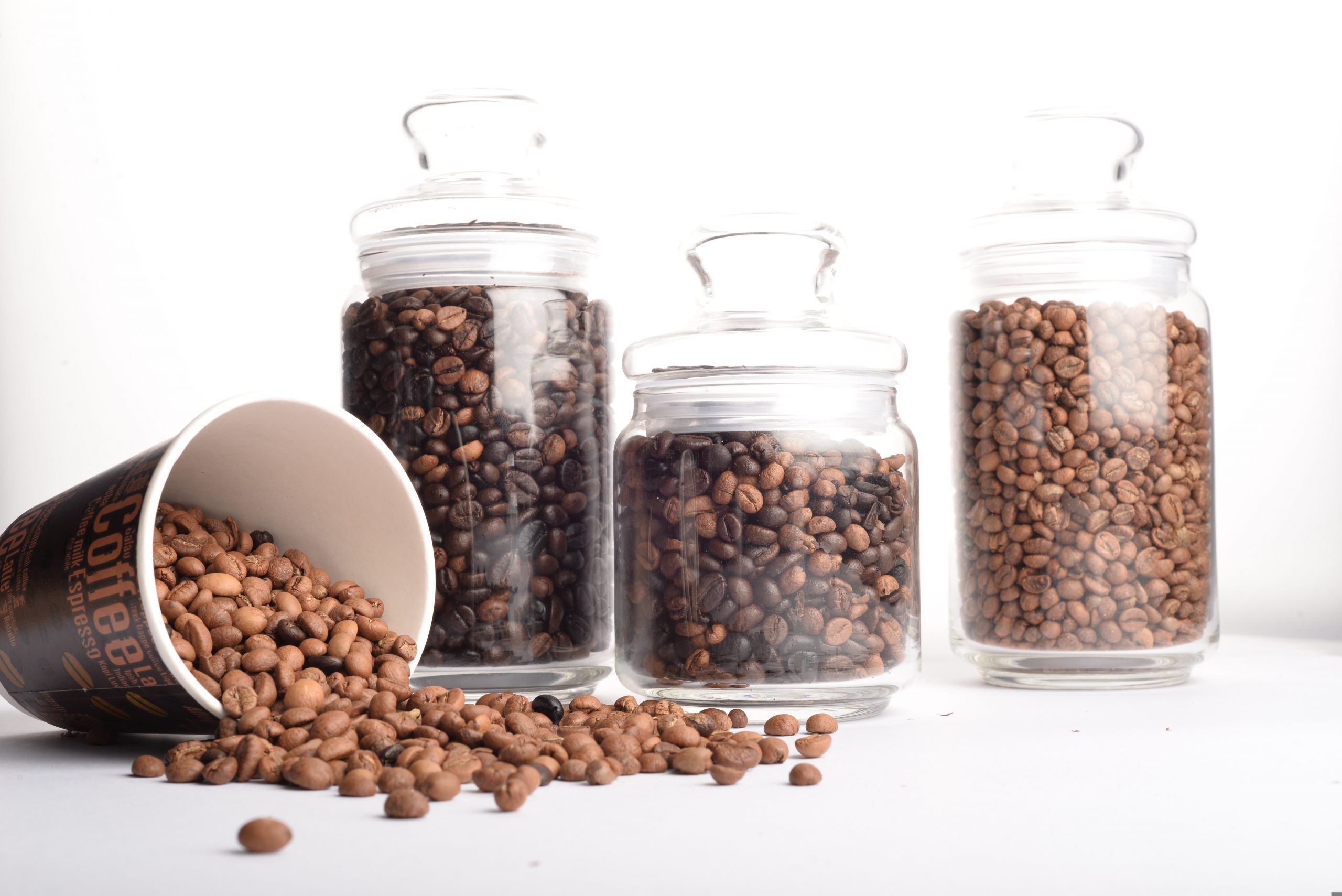
- Using a clear glass jar on the counter, which looks nice but exposes coffee to light around the clock.
- Refrigerating coffee, which introduces condensation and unwanted odors.
- Leaving the scoop or bag open for extended periods while making coffee, allowing unnecessary air exposure.
- Grinding coffee well in advance instead of grinding just before brewing, which sacrifices the aroma that fades fastest.
Quick Tips for Fresher Coffee
- Buy whole beans and grind only what you need for each pot.
- Store beans in an opaque, airtight container in a cool cabinet.
- Purchase smaller quantities more often rather than stocking up.
- Check the roast date on the bag, not just the best-by date.
- Freeze only what you won’t use within a couple of weeks, in sealed portions.
Buying coffee that’s roasted recently makes a real difference here. Café do Paraíso freshly roasted whole bean coffee arrives close to its roast date, giving you a longer window of peak flavor before staling sets in, especially when paired with proper storage at home.
Frequently Asked Questions
Does coffee go bad if left in an open bag? It won’t spoil in a food-safety sense, but it will stale faster because of ongoing exposure to air, light, and possibly moisture. Transfer opened coffee to an airtight container as soon as possible.
Can coffee expire and become dangerous to drink? Rarely, and only if it’s been exposed to moisture and developed mold, or if it’s been contaminated in some way. Ordinary staling doesn’t create a safety issue.
What are the clearest signs coffee has gone bad rather than just stale? Visible mold, a musty or sour smell, damp or clumped grounds, and pest activity are the clearest warning signs. A weak aroma or flat taste, on the other hand, usually just means the coffee has gone stale.
Does coffee lose flavor before it goes bad? Yes, almost always. Flavor loss through oxidation happens gradually and long before any safety issue would arise. Most coffee you’d call “stale” is still perfectly fine to drink.
How long does ground coffee last compared to whole beans? Ground coffee loses its peak flavor much faster than whole beans because grinding exposes far more surface area to oxygen. Whole beans typically stay fresher for several weeks longer than ground coffee once opened.
Can you drink expired coffee that’s past its best-by date? In most cases, yes, as long as there’s no mold, moisture damage, or off smell. The coffee may simply taste weaker or flatter than it did when fresh.
Is it safe to drink coffee that’s been sitting out all day? Brewed black coffee left at room temperature for several hours is usually more of a taste issue than a safety one, but if it’s been sitting out overnight, especially with milk or cream added, it’s best to discard it.
Does freezing coffee ruin the flavor? Freezing can actually help preserve flavor if beans are sealed airtight in small portions and only thawed once. Repeated freezing and thawing, however, introduces condensation and speeds up staling.
Final Thoughts
So, does coffee go bad? For the vast majority of coffee sitting in your pantry, the honest answer is that it goes stale, not bad. Oxidation, heat, light, and time slowly strip away the aroma and flavor that make a fresh cup so enjoyable, but that process on its own doesn’t make coffee unsafe. The real warning signs to watch for are moisture, mold, and off smells, which point to actual spoilage rather than ordinary aging.
The good news is that freshness is largely in your control. Buy coffee close to its roast date, store it in an airtight container away from heat, light, and moisture, and use it within a few weeks for the best flavor. Small habits like grinding just before brewing and buying smaller quantities more often go a long way toward keeping every cup tasting the way it should.
If you’re ready to taste the difference that real freshness makes, Café do Paraíso single-origin roasts are roasted in small batches and shipped with the roast date clearly marked, so you always know exactly how fresh your coffee is.