If your morning cup leaves your stomach in knots or your mouth puckering, you’re not imagining things. Coffee acidity is real, and it varies enormously depending on the beans, the roast, and how you brew. The good news is that you don’t need to give up coffee, or even switch to a bland, flat-tasting cup, to bring that sharpness down.
This guide covers how to reduce coffee acidity naturally by adjusting the choices you already control: roast level, brew method, water temperature, grind size, and bean origin. None of it requires special equipment or additives, just a better understanding of what’s actually happening in your cup.
How to Reduce Coffee Acidity Naturally
The fastest way to lower coffee acidity is to combine a few changes rather than rely on just one. Here’s the short version before we go deeper into each factor.
- Choose a darker roast. Extended roasting breaks down the compounds responsible for bright, tangy flavors.
- Switch your brew method. Cold brew and French press naturally produce a rounder, less acidic cup than pour-over or drip.
- Lower your water temperature slightly. Cooler water extracts fewer acidic compounds.
- Use a coarser grind and shorter brew time. This reduces over-extraction, which can make coffee taste sharper than it needs to.
- Pick your bean origin carefully. Some growing regions and processing methods naturally produce a softer, less bright cup.
Each of these levers works a little differently, and stacking two or three of them together makes a bigger difference than any single change on its own. The rest of this article breaks down why each one matters and how to put it into practice.
Perceived Acidity vs. Measurable Acidity
Before changing anything about how you brew, it helps to know that “acidity” means two different things in coffee, and people often confuse them.
Perceived acidity is a tasting note. It’s the bright, tangy, or fruit-forward quality you notice in a well-made light roast, similar to biting into a green apple or a citrus peel. In coffee cupping and sensory evaluation, this kind of acidity is considered a desirable trait. It’s part of what separates a lively, complex specialty coffee from a flat, dull one.
Measurable acidity refers to actual pH level, the chemical acidity of the liquid itself. Brewed coffee typically falls in a mildly acidic range, similar to many other everyday foods and drinks. This is the kind of acidity that can cause a sour stomach or a sensitive-teeth feeling for some drinkers, regardless of whether the flavor tastes “bright” or not.
Here’s the part that trips people up: these two types of acidity don’t always move together. A coffee can taste intensely bright and fruity while sitting at a fairly typical pH, and a flat-tasting, over-extracted brew can still register as acidic on a strip test. Roast level, brew method, and extraction each affect perceived and measurable acidity somewhat differently.
This article focuses on practical changes that tend to lower both the sharp taste and the general acid intensity of your cup, since that combination is what most people mean when they ask about reducing coffee acidity. For a deeper breakdown of how sensory acidity is evaluated in professional cupping, see our Acidity Explained guide.
What Naturally Affects Coffee’s Acidity
Several factors determine how acidic a cup of coffee will taste and measure, often working together rather than in isolation.
Bean origin and altitude. Coffee grown at higher elevations tends to develop more of the acids associated with bright, complex flavor, largely because slower ripening at altitude allows more of these compounds to build up in the cherry.
Processing method. How the coffee cherry is processed after harvest, whether washed, natural, or honey-processed, changes which compounds make it into the final bean and how the fruit’s sugars interact with the coffee during drying.
Roast level and roast development. The longer and hotter a bean roasts, the more its acidic compounds break down, which is why darker roasts consistently taste smoother and less sharp.
Brew method and extraction. How you brew, including water temperature, contact time, and grind size, determines which compounds get pulled out of the grounds and in what concentration.
Understanding these four levers gives you real control over your cup, rather than just guessing at what might work.
Choosing a Roast Level to Lower Acidity
Roast level is the single biggest factor most people can control, and it’s often the easiest place to start.
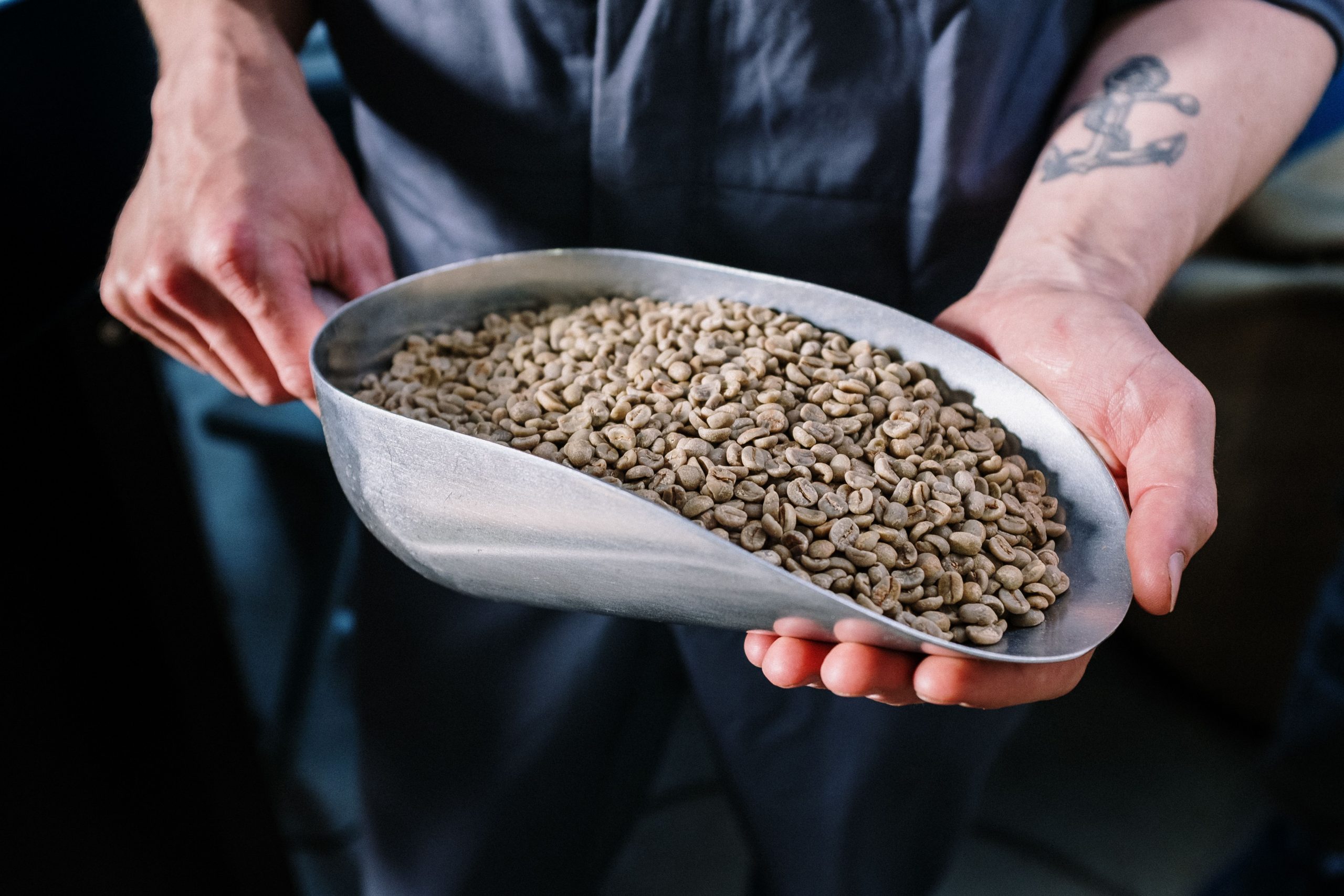
During roasting, coffee beans undergo a series of chemical changes driven by heat. Green coffee contains a family of compounds called chlorogenic acids, which contribute to the bright, tangy quality found in lighter roasts. As roasting continues, heat breaks these compounds down, converting them into other flavor compounds and reducing the sharp, tangy character they produce.
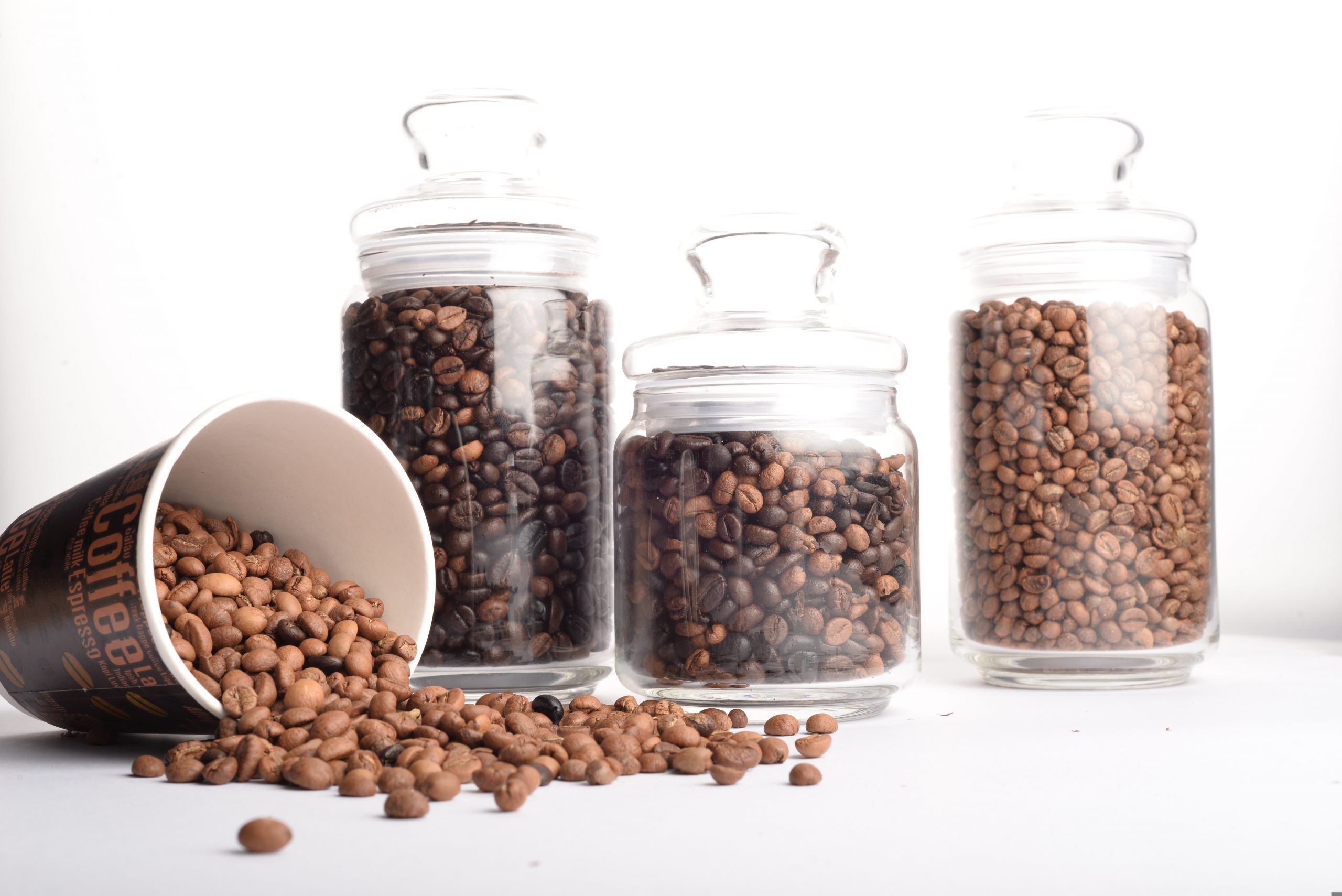
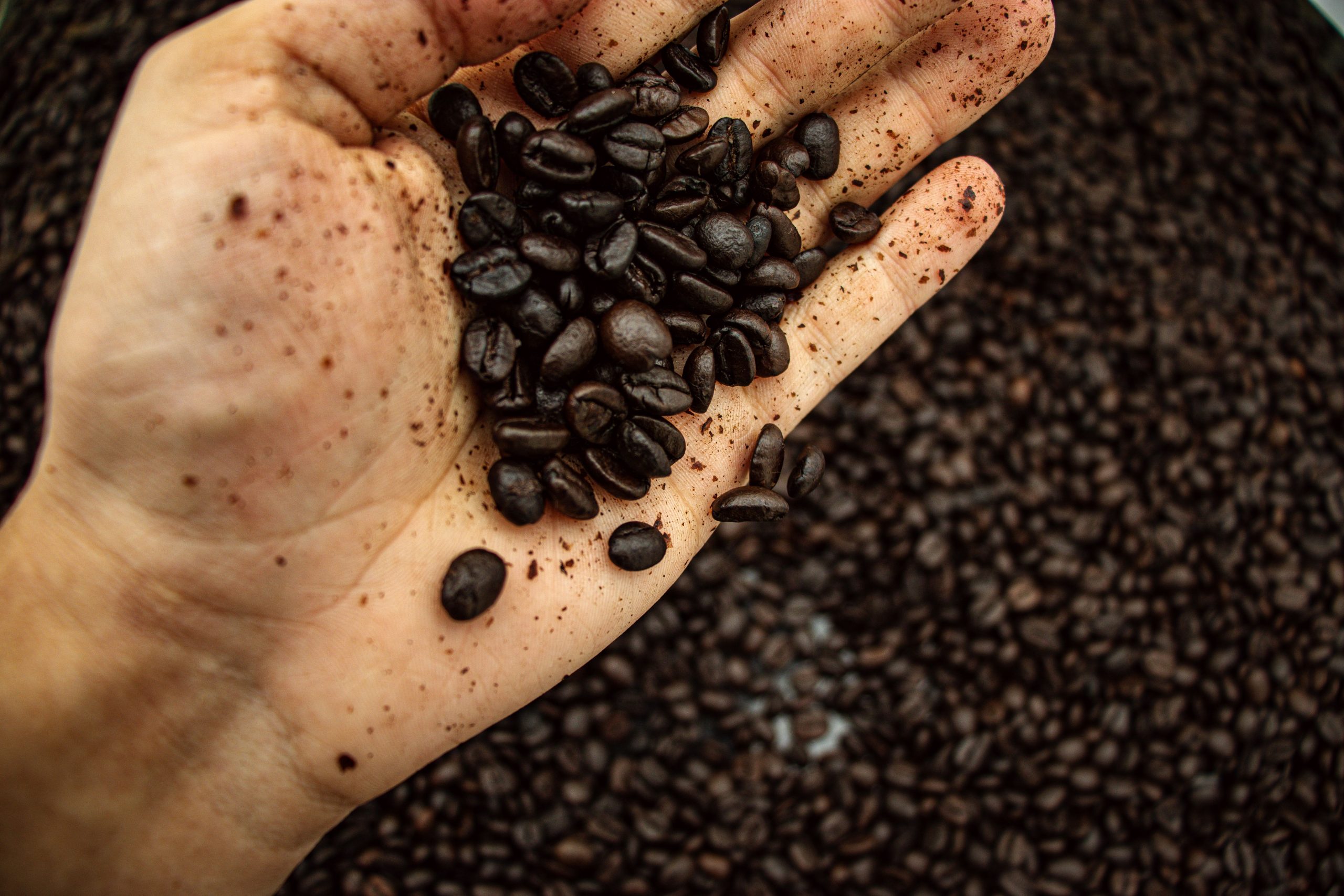
This is why dark roast coffee generally tastes less acidic than light roast coffee. By the time beans reach a dark roast stage, a large share of their original chlorogenic acid content has already broken down, leaving behind more of the deep, roasted, sometimes bittersweet flavors associated with darker profiles.
That tradeoff matters, though. Longer roasting doesn’t just reduce acidity, it also mutes some of the more delicate, fruit-forward, and floral notes that make certain origins interesting. You gain smoothness and body, but you lose some of the brightness and nuance that light-to-medium roasts are prized for. There’s also a ceiling: push the roast too far, and you trade acidity for straightforward bitterness rather than balance.
For readers who want a naturally smoother cup without any extra brewing adjustments, a medium-dark or dark roast is usually the most reliable single change to make. Café do Paraíso Dark Roast is a solid starting point here, developed with a longer roast profile specifically to soften acidity while keeping body and sweetness intact.
Choosing a Brew Method to Lower Acidity
Roast level isn’t the only lever. How you brew changes which compounds end up in your cup, sometimes just as dramatically as roast level does.
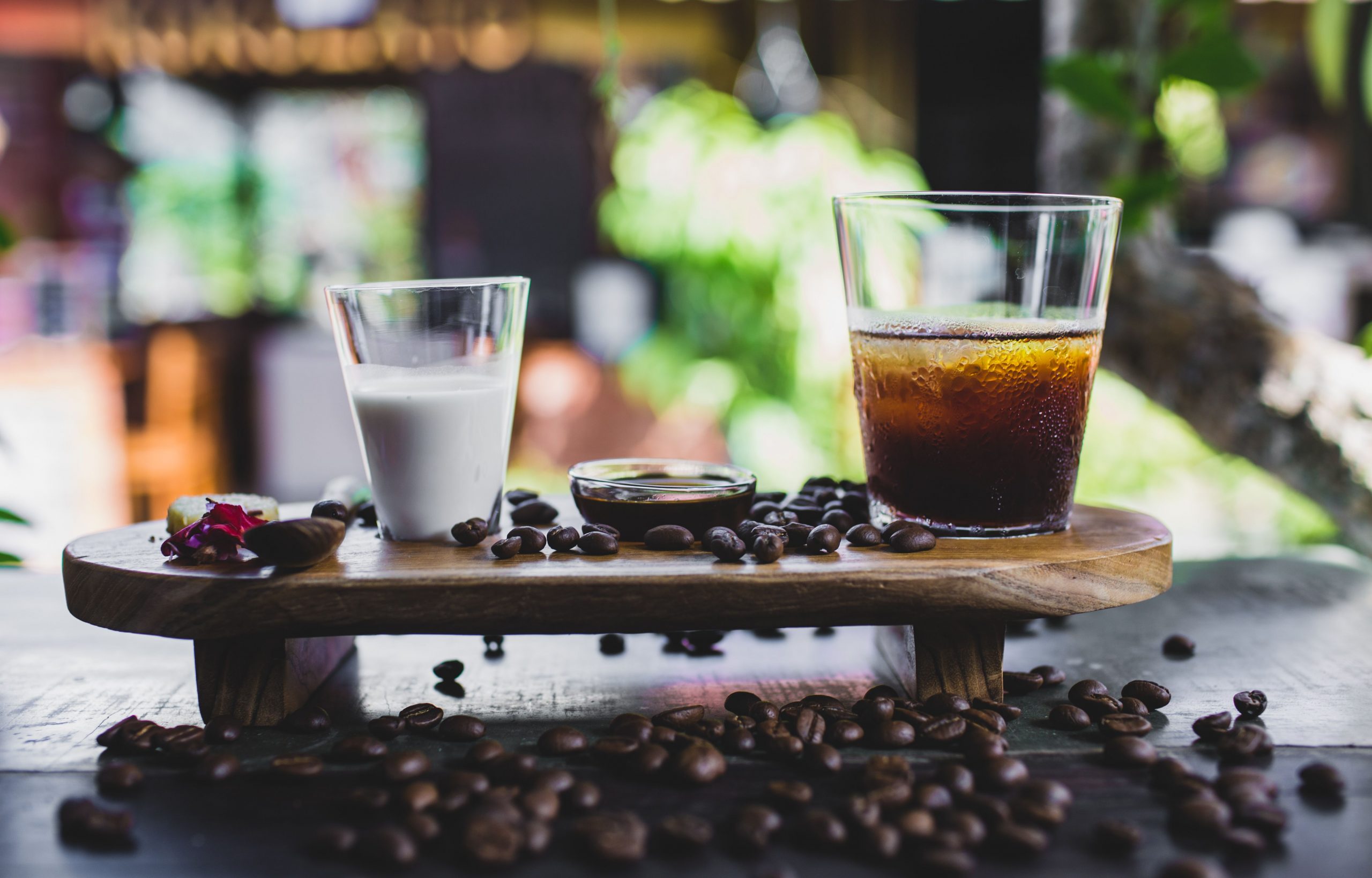
Cold brew. Cold brew steeps coarsely ground coffee in room-temperature or cold water for many hours instead of minutes. Because heat accelerates the extraction of acidic compounds, brewing without it produces a naturally smoother, lower-acid result. This is one of the most consistent, well-documented ways to get a genuinely milder cup, which is why cold brew has become a go-to recommendation for acid-sensitive drinkers.
French press. Full immersion brewing, where grounds steep directly in hot water rather than having water pass through them, tends to produce a fuller-bodied cup with less pronounced acidity than filtered methods. The metal mesh filter also lets more oils through, which adds body and can round out sharper notes.
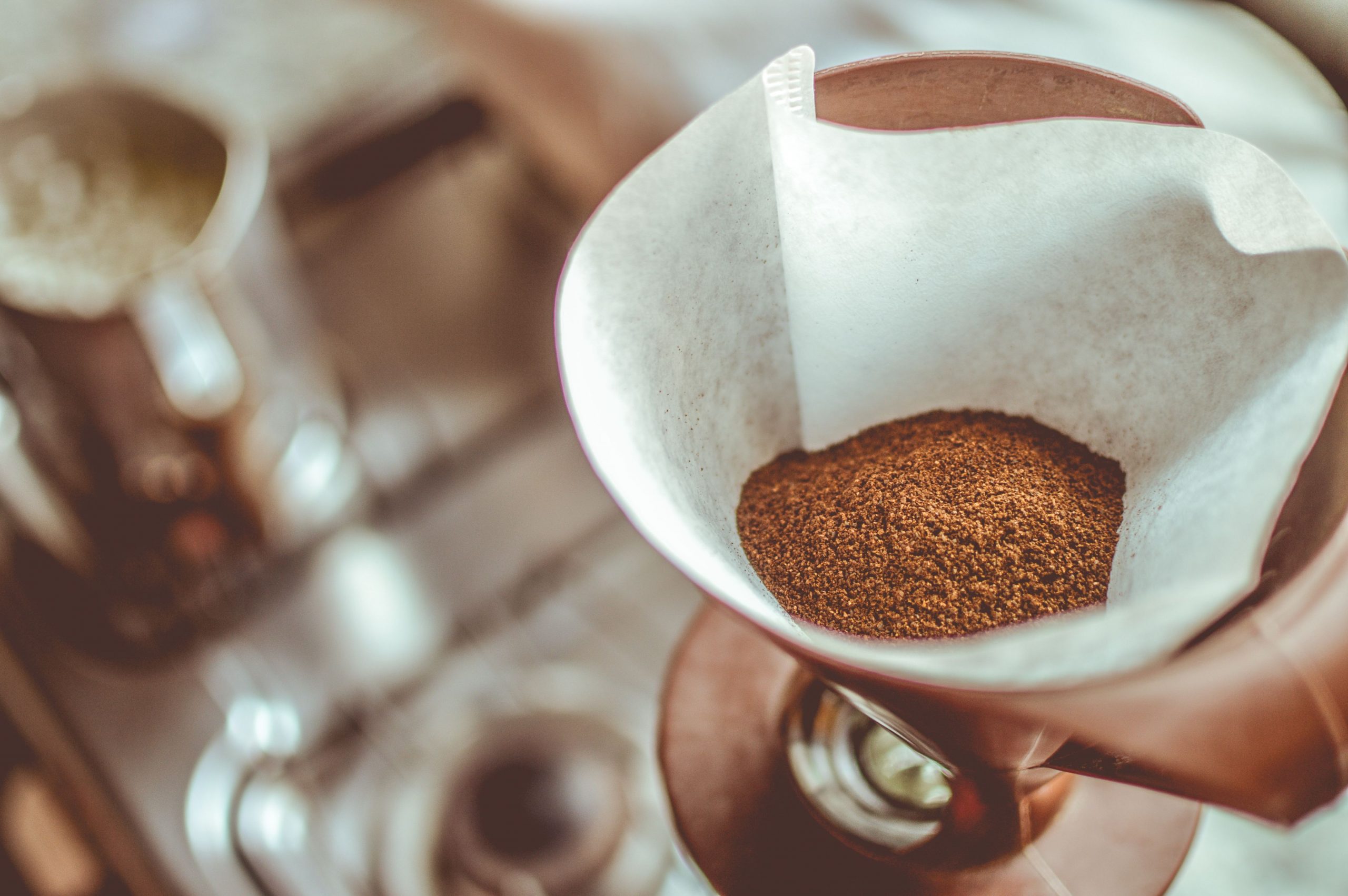
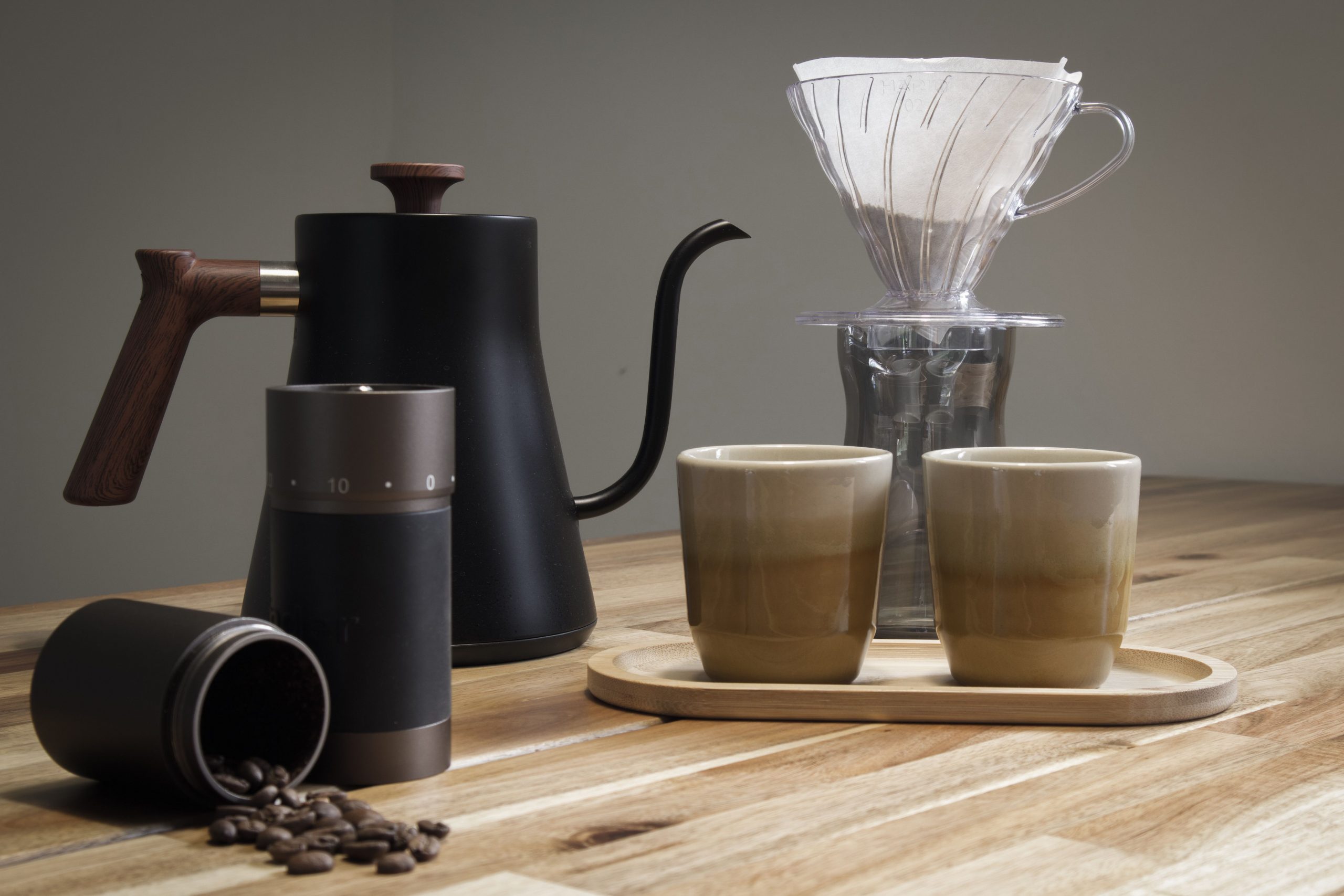
Pour-over and drip. These methods often highlight more acidity by comparison. Paper filters strip out oils and some heavier compounds, which lets the brighter, more acidic notes stand out more clearly in the final cup. This isn’t a flaw in the method, it’s exactly why pour-over is popular for showcasing delicate, high-altitude, fruit-forward coffees. But it does mean pour-over isn’t the best choice if lowering acidity is your main goal.
If you’re looking to switch brew methods specifically to bring down acidity, cold brew offers the most dramatic change, while French press offers a smaller shift with less equipment and no waiting overnight. For drinkers moving toward French press or cold brew, Café do Paraíso Medium-Dark Roast pairs well with both methods, since its body holds up nicely in full-immersion brewing.
Adjusting Brewing Variables
Beyond choosing a roast or brew method, several smaller adjustments can meaningfully change how acidic your coffee tastes, even using the exact same beans.
Lower the water temperature slightly. Water that’s too hot pulls more acidic compounds out of the grounds early in the brew. Bringing your brew temperature down by a few degrees, while staying within the range recommended for your method, can soften that sharpness without under-extracting the coffee.
Shorten the brew time. Some of the sourest, most acidic-tasting compounds extract quickly, while sweeter and heavier compounds extract more slowly. A shorter brew time, especially combined with a coarser grind, can reduce how much of that early sharpness ends up in your final cup.
Use a coarser grind. Finer grinds increase the surface area of the coffee, speeding up extraction and pulling out more compounds, acidic ones included. Going slightly coarser slows that process down and tends to produce a rounder, less sharp result.
Adjust your coffee-to-water ratio. A ratio with slightly less coffee relative to water can reduce overall intensity, including the perception of acidity, though this also affects strength and body, so it’s worth adjusting gradually and tasting as you go.
Common Mistakes to Avoid
- Grinding too fine for your brew method. This over-extracts the coffee and often increases sharpness rather than reducing it.
- Using water that’s too hot. Water at a rolling boil extracts too aggressively for most methods.
- Brewing longer to fix weak coffee. This usually pulls out more bitterness and acidity rather than more flavor. Adjust the grind or ratio instead.
- Assuming all dark roasts taste the same. Roast quality varies. A poorly roasted dark roast can taste burnt and flat rather than smooth.
Bean Origin and Processing: Natural Acidity Differences
Roast and brew method aren’t the only variables. The beans themselves carry natural tendencies toward brighter or rounder profiles, shaped by where and how they were grown and processed.
Coffees grown at higher altitudes, often in regions with volcanic soil and cooler growing conditions, tend to develop brighter, more pronounced acidity as part of their flavor profile. This is generally considered a mark of quality in specialty coffee, since it comes paired with more complexity and clarity of flavor.
Lower-altitude origins, along with certain processing methods, tend to produce a rounder, less bright cup. Natural and honey-processed coffees, where the fruit stays in contact with the bean for longer during drying, often develop more body and sweetness that can balance out sharper acidity, compared to washed coffees, which tend to showcase acidity more clearly.
| Factor | Effect on Acidity | Flavor Tradeoff |
| High-altitude origin | Increases perceived acidity | More brightness and complexity, less body |
| Low-altitude origin | Generally lower acidity | Rounder, sometimes simpler flavor |
| Washed processing | Highlights acidity and clarity | Cleaner cup, less body |
| Natural/honey processing | Softens perceived acidity | More body and sweetness, less clarity |
| Dark roast | Lowers both perceived and measurable acidity | Less brightness, more body and bitterness |
| Light roast | Higher perceived and measurable acidity | More brightness and origin character |
| Cold brew | Lowers measurable acidity significantly | Smoother, less bright, naturally sweeter |
| French press | Moderately lowers perceived acidity | Fuller body, more sediment |
| Pour-over/drip | Highlights acidity | Cleaner, brighter, more delicate |
For readers who want an origin naturally suited to a rounder profile, Café do Paraíso Natural Process is worth trying, since its processing method leans toward a fuller, less bright cup compared to washed offerings.
Other Natural Ways to Soften Acidity in the Cup
A few additional habits can round out a lower-acid routine, even after you’ve settled on a roast, brew method, and bean origin.
Adding milk or a milk alternative. Milk proteins and fats can buffer some of the sharper taste sensations associated with acidity, which is part of why milk-based drinks often taste smoother than black coffee made from the same beans. This doesn’t change the coffee’s actual pH in a meaningful way, but it does soften the perceived sharpness on the palate.
Pairing coffee with food. Eating something alongside your coffee, especially something with a bit of fat or protein, can reduce how sharp or acidic the coffee feels going down. This is a common, low-effort way to make a brighter cup more comfortable without changing the coffee itself.
Storing beans properly. Coffee that’s stored poorly, exposed to air, light, heat, or moisture, can develop stale, sometimes sharper-tasting off-notes as the oils degrade. Keeping beans in an airtight container, away from direct sunlight and heat, helps preserve the balanced flavor the roaster intended, rather than letting staleness masquerade as extra acidity.
Does Lowering Acidity Mean Sacrificing Quality?
Not at all, and this is worth being clear about. Reducing acidity is a matter of personal preference, not a fix for a flawed cup. Bright, acidic coffee isn’t a defect, it’s often a sign of careful growing and processing, and plenty of coffee drinkers actively seek it out.
At the same time, a well-made low-acid coffee, whether that’s a properly roasted dark roast or a patient cold brew, can be just as complex and satisfying as a brighter cup. The goal is balance, not the complete removal of flavor. A flat, muddy cup with no acidity at all usually points to a genuine issue, like poor roasting or over-extraction, rather than a well-executed low-acid coffee. If you’re troubleshooting a cup that tastes off rather than just bright, our Coffee Defects guide covers how to tell the difference between a genuine flaw and a flavor you simply don’t prefer.
People who are sensitive to acidic coffee don’t have to give up specialty coffee altogether. Choosing the right roast, brew method, and origin lets you stay within the specialty coffee world while landing on a cup that’s comfortable for your palate and stomach.
Quick Tips for a Smoother, Lower-Acid Cup
- Start with a medium-dark or dark roast.
- Brew cold brew or French press instead of pour-over.
- Lower your water temperature by a few degrees.
- Grind slightly coarser and shorten your brew time.
- Choose natural or honey-processed beans over washed.
- Add a splash of milk or a milk alternative if needed.
- Store your beans in an airtight container away from heat and light.
- Pair your coffee with food if you notice sensitivity on an empty stomach.
Frequently Asked Questions
Does dark roast coffee have less acidity than light roast?
Yes. Dark roasts undergo more heat exposure and longer roasting time, which breaks down more of the chlorogenic acids responsible for bright, tangy flavor. This generally results in lower perceived and measurable acidity compared to light roasts.
Is cold brew actually less acidic, or does it just taste that way?
Both. Cold brew’s slower, cooler extraction pulls out fewer acidic compounds than hot brewing methods, so the reduction in acidity is measurable, not just a matter of taste.
Can I make my current coffee less acidic without buying new beans?
Yes. Adjusting your water temperature, grind size, brew time, and ratio can noticeably soften acidity using beans you already have, even before considering a roast or origin change.
Does adding milk actually reduce coffee’s acid content?
Milk doesn’t meaningfully change the coffee’s pH, but it does soften the perceived sharpness on the palate, thanks to its proteins and fat content, which is why milk drinks often taste smoother.
Are there specific low-acid coffee beans, or is it all about roast and brew?
Both matter. Certain origins, growing altitudes, and processing methods naturally lean toward a rounder, less bright profile, and combining those beans with a darker roast or a gentler brew method compounds the effect.
Does grind size really make a noticeable difference in acidity?
Yes. A finer grind speeds up extraction and can pull out more of the sharp-tasting compounds, while a coarser grind slows extraction down and tends to produce a smoother result.
Is bright, acidic coffee a sign of poor quality?
No. In coffee cupping and sensory evaluation, pleasant acidity is considered a positive trait tied to origin character and careful processing. It’s different from sourness caused by roasting or brewing mistakes.
Can people with sensitive stomachs still drink specialty coffee?
Many people who notice sensitivity to acidic coffee find that switching to a darker roast, cold brew, or French press, along with pairing coffee with food, makes a noticeable difference. Individual sensitivity varies, so it’s worth adjusting gradually and paying attention to how your body responds.
Final Thoughts
Learning how to reduce coffee acidity naturally comes down to a handful of controllable choices: roast level, brew method, water temperature, grind size, and bean origin. None of these require you to sacrifice flavor or settle for a flat, boring cup. A thoughtfully chosen dark roast, a patient cold brew, or a switch to natural-processed beans can all bring real, noticeable results.
The best approach is usually to change one variable at a time, taste the difference, and adjust from there. Coffee is personal, and the right balance of brightness and smoothness is the one that tastes good to you.