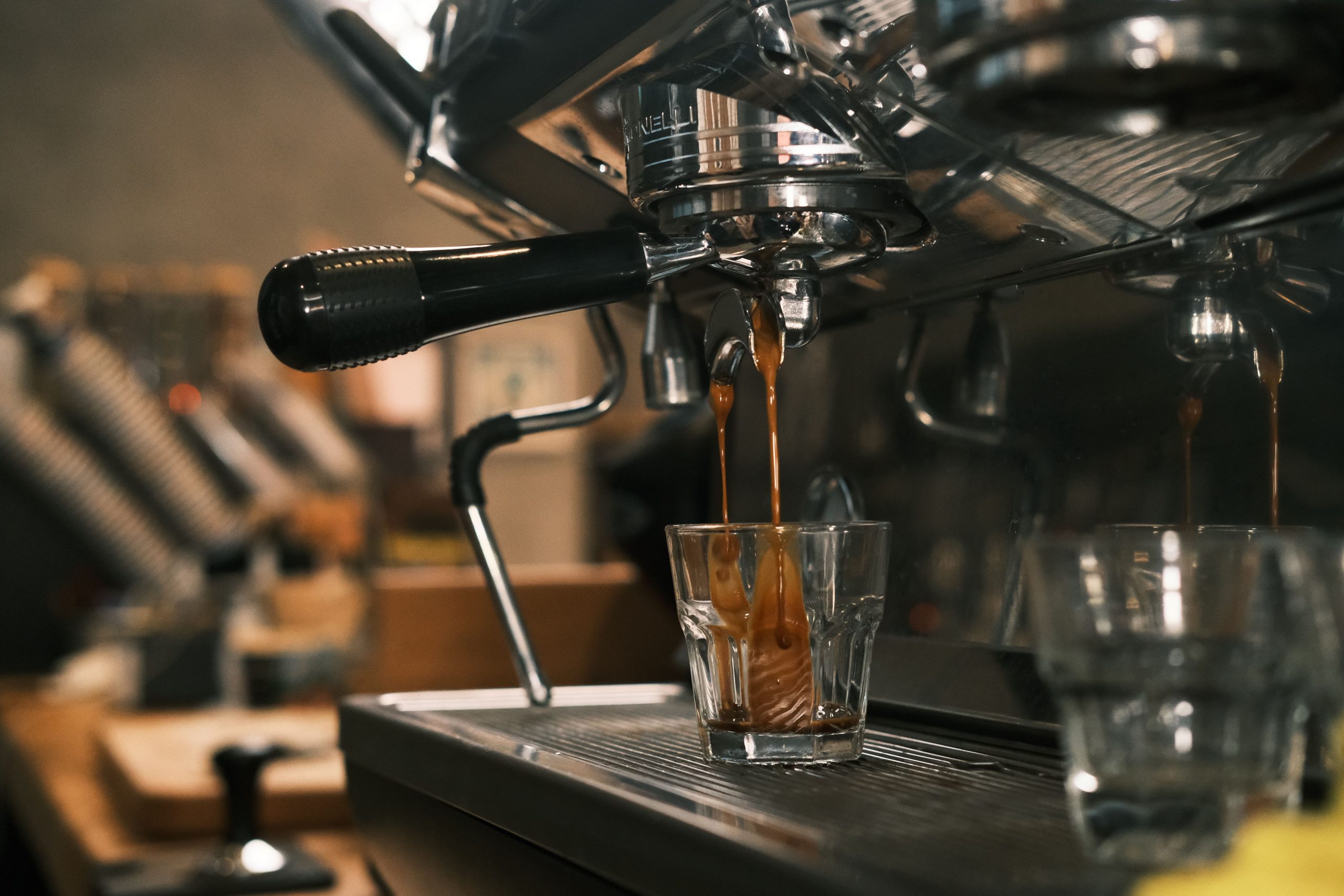
You pull a shot, take a sip, and get hit with something closer to ash and scorched toast than the rich, syrupy espresso you were hoping for. It’s frustrating, especially if you’re using the same beans and the same machine you always do. So why does espresso taste burnt sometimes and not others?
The short answer is that burnt-tasting espresso usually comes from one of two places: the roast itself, or something happening during brewing. Sometimes it’s both. This guide walks through exactly how to tell the difference and what to do about each one, so you can stop guessing and start pulling shots that taste the way they should.
Why Does My Espresso Taste Burnt?
Burnt espresso almost always traces back to one of two broad causes. Either the beans were roasted too dark or too aggressively, carbonizing some of their natural sugars and oils before they ever reached your grinder, or the brewing process itself pushed the extraction too far, pulling harsh, scorched-tasting compounds out of otherwise decent coffee.
Roast-related burnt flavor is baked in, literally. No amount of dialing in your grinder will fix beans that were over-roasted at the source. Brew-related burnt flavor, on the other hand, is fixable. It usually comes down to grind size, water temperature, tamping technique, or a machine that needs cleaning.
The rest of this article breaks down both categories in detail, along with the equipment issues that sit alongside them, so you can pinpoint what’s actually going wrong in your cup.
Burnt Taste vs. Bitter Taste: Knowing the Difference
Before troubleshooting, it helps to separate two flavors that often get lumped together: bitter and burnt.
Bitterness is a natural part of espresso. A well-pulled shot has some bitterness by design, balanced against sweetness and acidity. It’s part of what gives espresso its characteristic depth, similar to the pleasant bitterness in dark chocolate or a well-steeped black tea.
Burnt or ashy flavor is different. It tastes scorched, sometimes almost like charcoal or a struck match, and it tends to sit at the back of the throat rather than blending into the rest of the cup. Where bitterness can complement sweetness, burnt flavor usually overwhelms it.
The two get confused because both taste “harsh” in a general sense, and because over-extraction, one common cause of burnt flavor, also increases bitterness at the same time. But identifying which one you’re actually tasting matters. A shot that’s simply bitter might just need a small grind or ratio adjustment. A shot that tastes genuinely burnt often points to something more specific: over-roasted beans, scorching water, or a dirty machine. For a closer look at how professional tasters separate these kinds of defects from acceptable flavor traits, see our Coffee Defects guide.
Is It the Beans? Roast-Related Causes
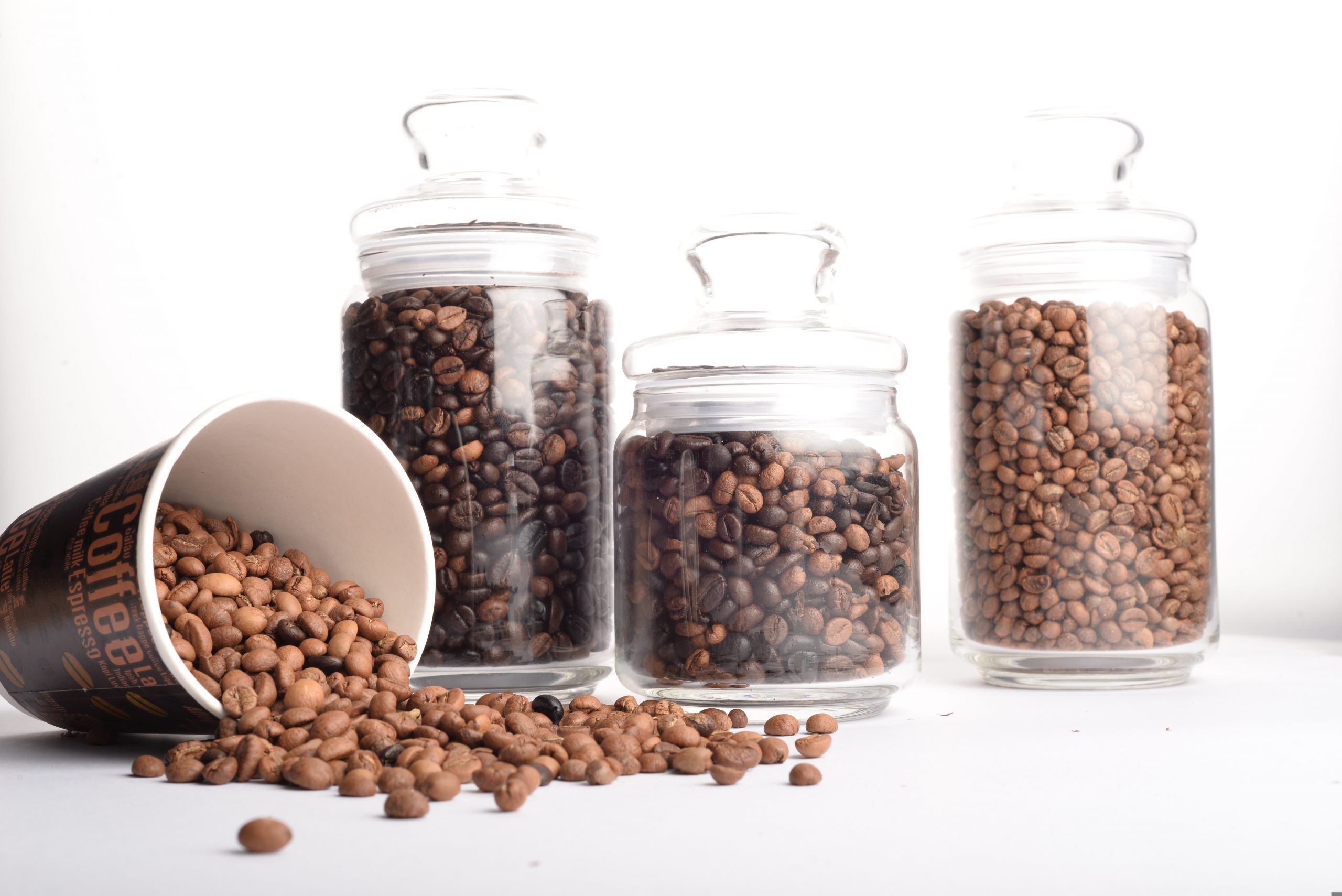
Over-Roasted or Overly Dark Beans
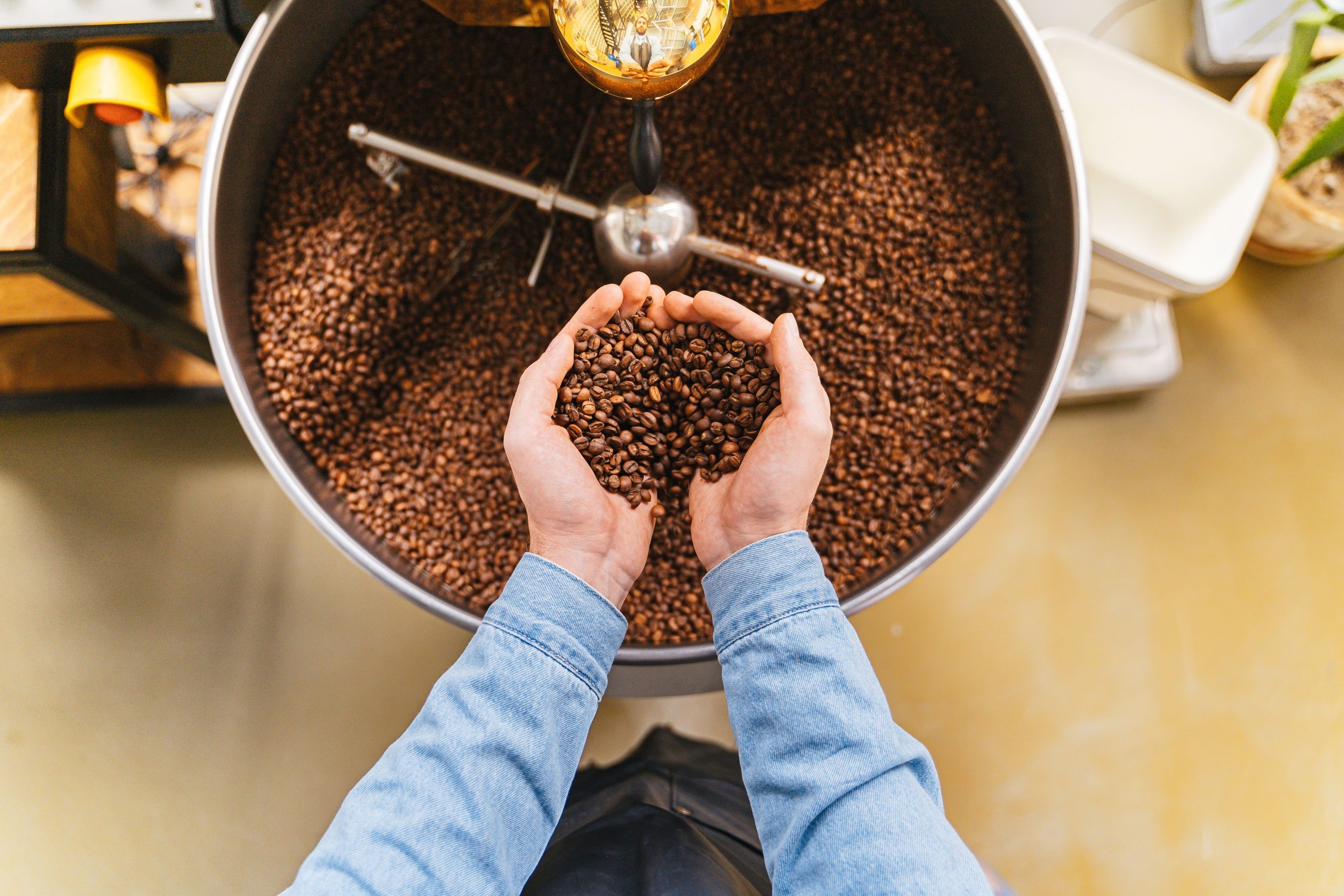
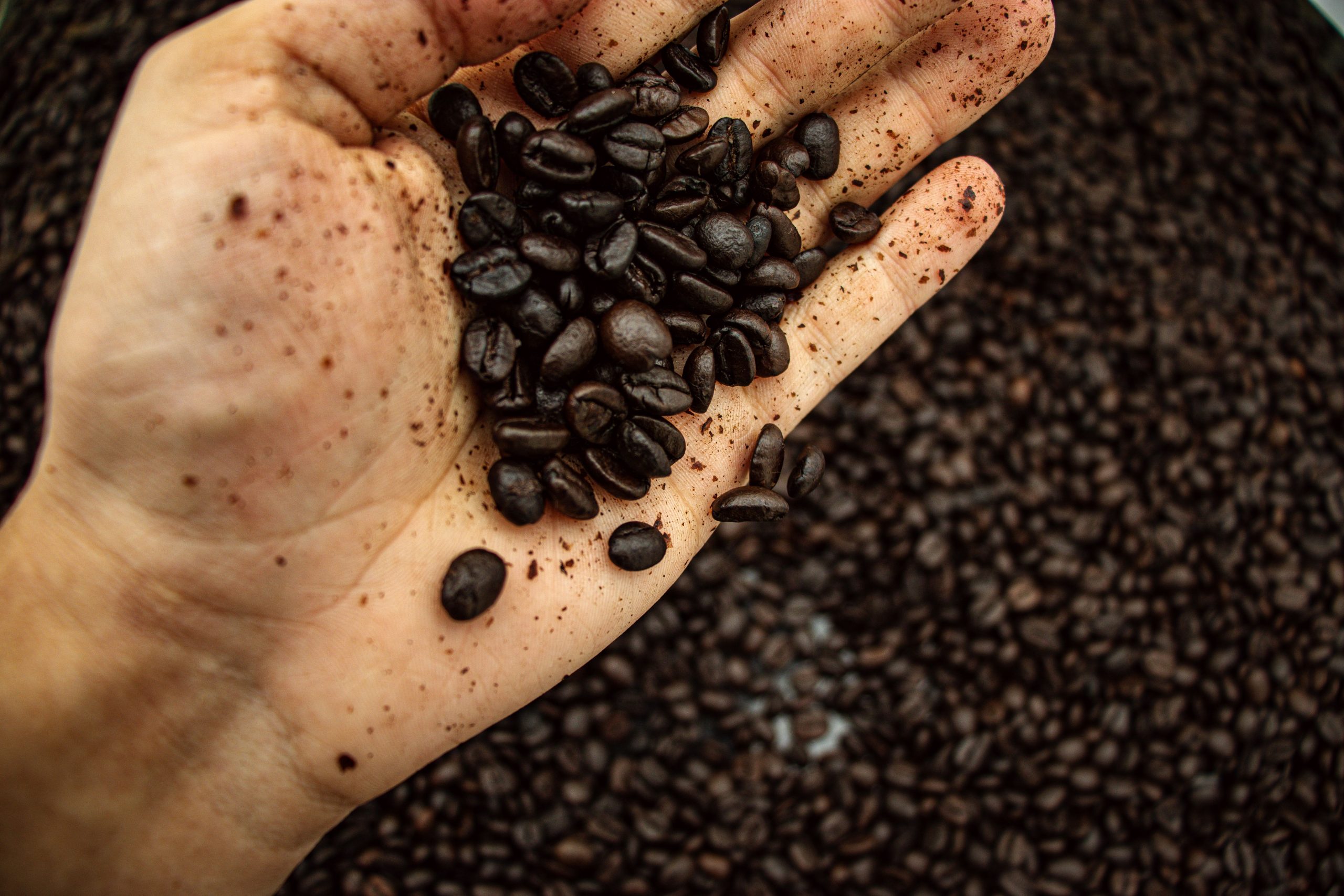
When coffee is roasted too long or at too high a temperature, its natural sugars and oils can carbonize rather than simply caramelize. This is the roasting equivalent of burning toast: past a certain point, you’re not developing flavor anymore, you’re destroying it.
Coffee roasted to this extreme develops flat, ashy, sometimes acrid notes that carry straight through into espresso, since espresso concentrates whatever flavors are already present in the beans. Not every dark roast is over-roasted, plenty of well-made dark roasts are rich and smooth without any scorched quality, but a roast pushed past that point will taste burnt no matter how carefully you brew it.
If your espresso consistently tastes scorched regardless of grind or brew adjustments, the roast itself is the likely culprit. Café do Paraíso Medium Roast is worth trying in this case, since a medium roast profile develops sweetness and body without pushing into the carbonized territory that causes burnt flavor.
Stale or Old Beans
Stale coffee doesn’t always taste flat or papery, the way most people expect. As beans lose their freshness, the compounds responsible for aroma and brightness break down, and what’s left behind can taste sharp, hollow, or unpleasantly bitter in a way that’s easy to mistake for burnt.
This matters because two very different problems, over-roasting and staleness, can produce a surprisingly similar impression in the cup. If your beans have been sitting around for a few weeks past their roast date, staleness is worth ruling out before you assume the roast level itself is the problem. Café do Paraíso Espresso Blend is roasted specifically with espresso extraction in mind and is best used within a few weeks of its roast date for the cleanest, most balanced results.
Is It the Brew? Extraction-Related Causes
Over-Extraction
Espresso extraction pulls flavor compounds out of the grounds in a fairly predictable order: pleasant acids and sugars come out first, followed by balanced, desirable bitterness, and finally harsh, unpleasant compounds if the shot runs too long. Over-extraction happens when too much water passes through the grounds relative to how much coffee is being used, pulling that final harsh stage into your cup.
This is one of the most common, and most fixable, causes of burnt-tasting espresso. A shot that runs too long, whether from too fine a grind, too much coffee, or a puck that’s compacted unevenly, can taste scorched even when the beans themselves are perfectly good.
Water Temperature Too High
Espresso extraction happens within a fairly narrow temperature range for good reason. Water that runs hotter than that range can effectively scorch the coffee during the shot, drawing out the same harsh, ashy compounds associated with over-roasting, even from beans that were roasted well. This is more common on older or poorly calibrated machines, where the actual brew temperature can run several degrees above the display setting.
Grind Too Fine
Grinding finer increases the surface area of the coffee and slows down water flow through the puck. Slower flow means more contact time between water and coffee, which pushes the shot toward over-extraction even if your timer says it finished at the “right” moment. A grind that’s too fine for your basket and dose is one of the most frequent, and easiest to fix, causes of a burnt-tasting shot.
Tamping Too Hard or Uneven Tamping
Tamping compresses the coffee bed so water flows through it evenly. Tamping too hard, or tamping unevenly so one side of the puck is denser than the other, forces water to find the path of least resistance. Water rushes through the thinner or looser areas while barely touching the denser ones, creating pockets of both under- and over-extraction in the same shot. The over-extracted pockets often taste burnt, even though the rest of the shot might taste normal.
Is It the Machine? Equipment-Related Causes
Dirty Group Head or Portafilter
Coffee oils build up on the group head, portafilter, and basket over time. Left uncleaned, these oils turn rancid and can literally scorch onto fresh coffee as hot water passes through, adding a burnt, stale taste to shots that would otherwise taste clean. This is one of the most overlooked causes of burnt espresso, since the problem isn’t the beans or the grind at all, it’s residue from every shot pulled before.
Machine Running Too Hot
Espresso machines are calibrated to hold water at a specific brew temperature, but that calibration can drift over time, especially in older or heavily used machines. A machine running consistently hotter than intended will scorch shots the same way overly hot water does in general, regardless of how well-dialed the grind and dose are.
| Cause | What It Tastes Like | The Fix |
| Over-roasted beans | Ashy, carbonized, flat | Switch to a lighter or medium roast |
| Stale beans | Sharp, hollow, unpleasantly bitter | Use fresher beans within a few weeks of roast date |
| Over-extraction | Harsh, scorched, bitter | Shorten shot time, adjust grind or dose |
| Water too hot | Scorched, ashy | Lower brew temperature if adjustable |
| Grind too fine | Slow flow, bitter, burnt | Coarsen the grind slightly |
| Uneven or hard tamping | Burnt in some sips, fine in others | Tamp level and consistent, moderate pressure |
| Dirty group head/portafilter | Stale, rancid, burnt undertone | Clean group head, portafilter, and basket regularly |
| Machine running too hot | Consistently scorched shots | Check and recalibrate brew temperature |
How to Fix Burnt-Tasting Espresso
Once you’ve narrowed down whether the issue is roast-related, brew-related, or equipment-related, the fix usually comes down to one or two of these adjustments:
- Adjust your grind size. If your espresso tastes burnt and runs slowly, try a slightly coarser grind to speed up flow and reduce over-extraction.
- Shorten your extraction time. Aim for a shot that finishes within the typical range for your recipe rather than letting it run long in hopes of more flavor.
- Lower your brew temperature if your machine allows it. Even a small reduction can noticeably soften scorched notes.
- Clean your group head, portafilter, and basket regularly. Built-up oils are an easy fix that many people overlook entirely.
- Choose a fresher or slightly lighter roast. If the beans themselves are the problem, no brewing adjustment will fully resolve it.
Work through these one at a time rather than changing everything at once. That way, you’ll actually know what fixed it.
Is Burnt-Tasting Espresso Safe to Drink?
Yes, burnt-tasting espresso is a flavor and extraction issue, not a safety concern. Over-roasted, over-extracted, or scorched coffee tastes unpleasant, but it isn’t harmful to drink.
That said, burnt flavor is different from genuinely spoiled coffee. Beans that have picked up mold, or coffee brewed with contaminated equipment, are a separate issue entirely and should be discarded rather than worked around. If your espresso tastes off in a moldy, musty, or chemical way rather than simply scorched or bitter, that points to spoilage or a defect rather than a roasting or brewing mistake. Our Aroma Evaluation guide covers how to recognize these differences by smell before you even take a sip.
Quick Tips for Consistently Smooth Espresso
- Use beans within a few weeks of their roast date.
- Choose a roast level suited to espresso rather than pushing every bean to its darkest point.
- Dial in your grind so shots run within the expected time range.
- Tamp evenly with consistent, moderate pressure.
- Clean your group head, portafilter, and basket on a regular schedule.
- Check your machine’s actual brew temperature if shots consistently taste scorched.
- Change one variable at a time when troubleshooting.
Frequently Asked Questions
Why does my espresso taste burnt even though I use good beans?
Even high-quality beans can taste burnt if the brewing process pushes extraction too far, through too fine a grind, too hot water, or a shot that runs too long. The beans and the brew are separate variables, and either one can cause the problem.
Is burnt-tasting espresso the same as bitter espresso?
Not exactly. Bitterness is a normal part of espresso’s flavor profile in moderation, while a burnt taste is a harsher, scorched sensation that usually points to over-roasting or over-extraction rather than a naturally balanced cup.
Does over-roasted coffee always taste burnt?
Coffee roasted past its ideal point tends to develop ashy, carbonized notes, but the exact intensity varies. A roast just slightly too dark might taste heavier and more bitter rather than outright burnt, while a significantly over-roasted bean will taste clearly scorched.
Can a dirty espresso machine really cause a burnt taste?
Yes. Rancid coffee oils that build up on the group head, portafilter, and basket can scorch onto fresh shots, adding a burnt or stale undertone even when the beans and grind are otherwise fine.
Does tamping too hard actually affect flavor?
Yes, though unevenness matters more than raw pressure. Uneven tamping creates inconsistent water flow through the puck, leading to pockets of over-extraction that can taste burnt even within an otherwise normal shot.
How can I tell if the problem is my beans or my brewing?
Try the same beans on a different, well-maintained machine, or have someone else pull a shot with a different grind setting. If the burnt taste disappears, the brewing process was the cause. If it persists across different setups, the beans themselves are likely over-roasted or stale.
Does water temperature really make that much of a difference?
Yes. Water that runs even a few degrees above the ideal range for espresso extraction can scorch the coffee, producing the same harsh, ashy notes associated with over-roasting.
Is it safe to drink espresso that tastes burnt?
Yes, a burnt taste on its own is a flavor issue rather than a safety issue. Genuinely spoiled coffee, such as beans affected by mold, is a separate problem and should be discarded rather than treated as a brewing mistake.
Final Thoughts
A burnt-tasting shot is annoying, but it’s rarely a mystery once you know where to look. Roast-related causes, like over-roasted or stale beans, sit at one end, while brew-related causes, like over-extraction, high water temperature, poor tamping, or a dirty machine, sit at the other. Most of the time, the fix is smaller than people expect: a grind adjustment, a cleaning session, or switching to a fresher, better-suited roast.
Work through the causes one at a time, starting with the brewing variables you can control most easily, and you’ll usually land on a shot that tastes rich and balanced rather than scorched.